


Kyrgyzstan is winding down USDKG, its state-backed gold stablecoin, and liquidating both its issuer and the country’s first state-owned crypto exchange.
Kyrgyzstan Shuts Stablecoin USDKG, Burns 50M Tokens After UK Sanctions
WRITTEN BY

SHARE
Key Takeaways
- Kyrgyzstan is shutting USDKG and Coin Nomad, with 50.14M tokens set to be burned.
- The collapse highlights sanctions and sovereign risk in state-backed stablecoin projects.
- USDKG holders must redeem into fiat or USDT before Tron and Ethereum contracts are suspended.
Kyrgyzstan Pulls Plug on USDKG and State-Owned Crypto Exchange
Kyrgyzstan is pulling the plug on one of the crypto industry’s more unusual sovereign experiments.
The government has ordered the liquidation of EVA, issuer of the gold-backed USDKG stablecoin, alongside state-owned Coin Nomad Exchange. Authorities have described the restructuring as an effort to optimize state participation in companies and improve management of government assets.
USDKG launched in November 2025 with slightly more than 50 million tokens, each designed to maintain a $1 peg while being backed by physical gold. The project targeted cross-border payments and had originally been positioned for long-term development.
All 50 Million USDKG Tokens Are Headed for the Burn Address
The wind-down goes beyond halting new issuance.
“In accordance with Order No. 639-t of the Cabinet of Ministers of the Kyrgyz Republic dated August 20, 2026, USDKG operations will be discontinued,” the project’s official X account said.
Holders can request redemption into fiat currency or USDT.
The project plans to consolidate all 50,140,738 USDKG into a single wallet on each supported network before transferring the full balances to burn addresses. Its smart contracts on Tron and Ethereum will then be suspended, with USDKG removed from centralized and decentralized exchanges.
For holders, that turns the shutdown into an active redemption event rather than simply the abandonment of a crypto project.
UK Sanctions Cast a Shadow Over the Project
The closure follows growing international scrutiny.
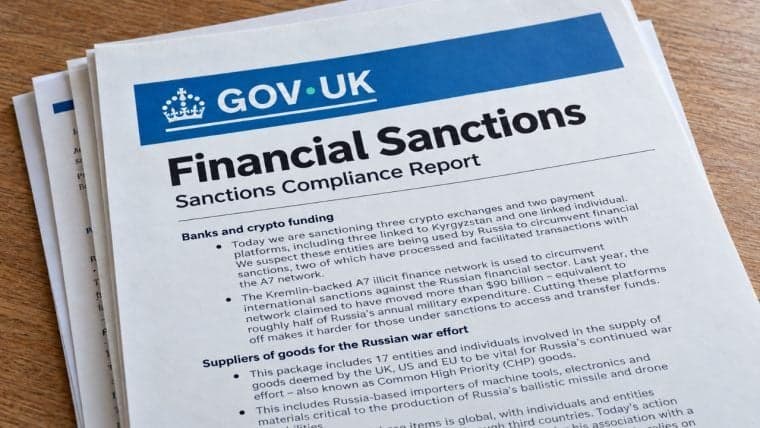
The U.K. sanctioned Virtual Assets Issuer, the company subsequently known as EVA, on May 26. British authorities said there were reasonable grounds to suspect it had supported or benefited the Russian government through business of economic significance. The sanctions notice specifically listed USDKG and USDKG.com as associated names.
The Kyrgyz government’s stated reason for liquidation, however, is asset-management optimization rather than sanctions.
A Sovereign Stablecoin Experiment Ends Early
USDKG stood apart from conventional stablecoins because a government-controlled issuer combined a dollar peg with physical-gold backing.
Its collapse less than a year after launch illustrates another risk for state-linked crypto assets: geopolitical exposure can matter as much as reserves, technology or the peg itself.
For the broader stablecoin market, the lesson is significant. Government sponsorship may add credibility at launch, but it also ties digital money directly to sovereign, regulatory and sanctions risk.

Solana’s stablecoin footprint has expanded to more than 14 million holder addresses, alongside over $15 billion in supply and $1…
Read Now: Solana Hits 14M Stablecoin Holders as Card Volume Tops $1B