


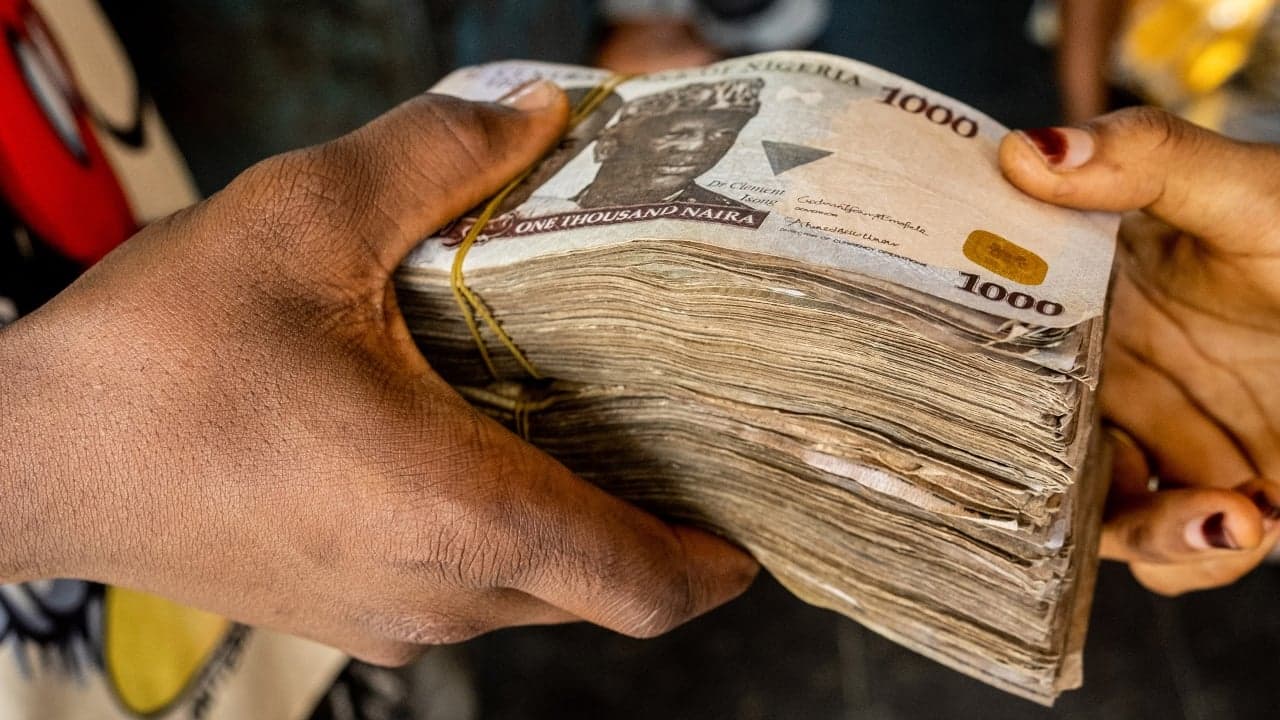
The Nigerian naira continued with a downward which recently saw it being named the worst-performing currency when it slid by just over five per cent to erase the previous day’s gains. The naira’s depreciation is said to have occurred just a day after the central bank intervened by injecting between $80 million and $100 million.
Nigerian Currency Slides 5% After Central Bank Injects More Than $80 Million Into Forex Market

This article was published more than a year ago. Some information may no longer be current.
WRITTEN BY

SHARE
Central Bank Intervenes to Increase Liquidity
The Central Bank of Nigeria’s (CBN) recent efforts to bolster the struggling local currency appear to have hit a roadblock after depreciating to a two-month low. The currency is reported to have depreciated despite the injection of between $80 million and $100 million into the foreign exchange market.
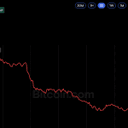
A Bloomberg report noted that the naira’s 5.1% drop to NGN1,533.99 on May 16 wiped out the 4% gain that followed the CBN’s intervention. The report also mentioned that the Nigerian central bank had sold U.S. dollars three days before enhancing liquidity in the foreign exchange market.
The naira’s latest decline is part of a trend that started in late April and has persisted into May. Bitcoin.com News recently reported that the currency’s performance led to it being dubbed the worst-performing. Samir Gadio, the head of Africa strategy at Standard Chartered Bank, linked the currency’s ongoing struggles to worries about the future of maturing naira futures contracts valued at $1.3 billion.
“Market participants may still be concerned. The key question now is whether most offshore investors holding the May futures contract will buy dollars or reinvest naira proceeds in local debt,” said Gadio.
Reports of the naira’s recent depreciation against the U.S. dollar emerged as Nigeria prepares for another potential increase in interest rates. The CBN’s Monetary Policy Committee is widely anticipated to continue a policy that has been key in sustaining foreign investor interest.
The committee has already raised interest rates by a total of 600 basis points in just two meetings, one in February and another in March. The goal of these rate increases is to control the country’s inflation rate, which was at 33.7% in April.
Register your email here to get a weekly update on African news sent to your inbox:
What are your thoughts on this story? Let us know what you think in the comments section below.