The U.S. central bank’s Federal Open Market Committee (FOMC) wrapped up its two-day meeting on Wednesday, issuing a policy statement that said the Fed will leave the federal funds rate unchanged.
Fed Holds Rates Steady While Two Policymakers Call for a Cut
WRITTEN BY

SHARE
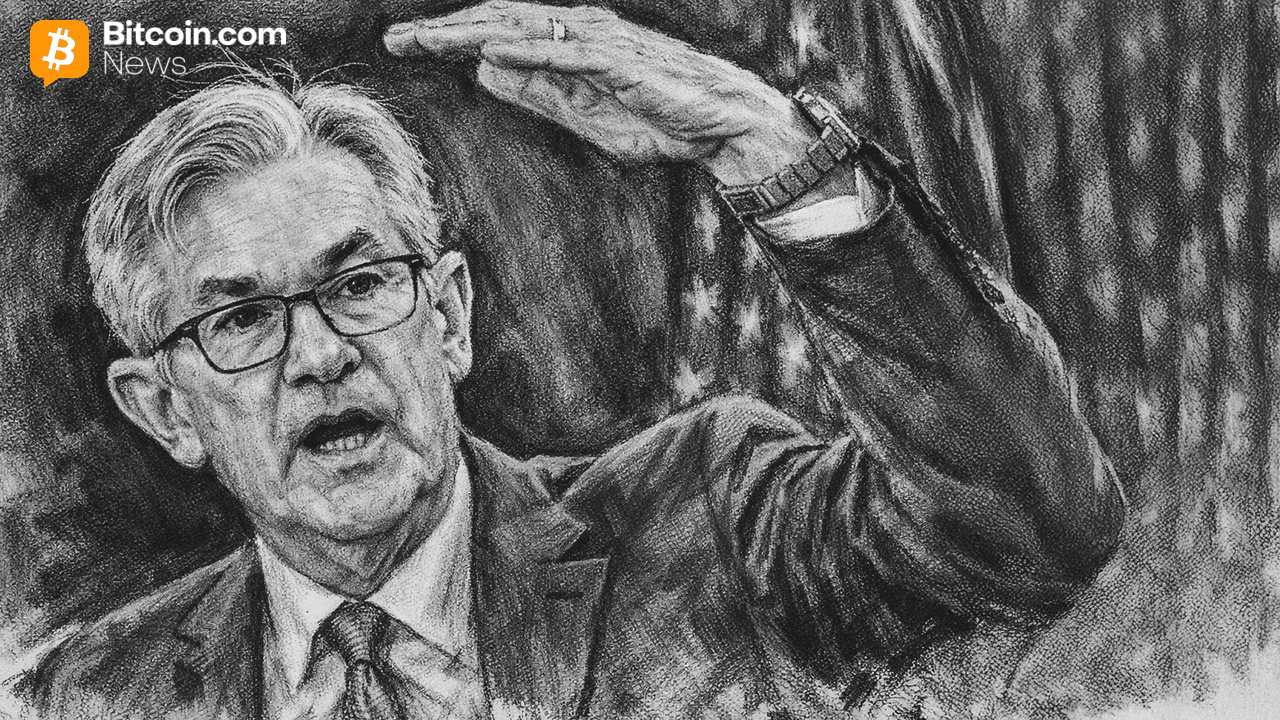
During the first FOMC meeting of 2026, held Jan. 27-28, and amid political pressure from President Trump to cut rates, the Fed said borrowing costs will stay where they are. In its policy statement, the U.S. central bank said that “Uncertainty about the economic outlook remains elevated.”
“In support of its goals, the Committee decided to maintain the target range for the federal funds rate at 3-1/2 to 3-3/4 percent,” the statement added. Notably, the Fed also disclosed that Stephen Miran and Christopher Waller broke with the majority and opposed holding rates steady, instead favoring a quarter-point reduction.
Markets now turn their attention to comments from Jerome Powell, waiting for clarity on how policymakers interpret recent data and political pressure. Investors will parse his guidance for any hint of future adjustments, timing, and conditions that could shift the rate path.
Presently, bitcoin is coasting along subdued at $89,393, gold is $5,279 per ounce, and U.S. equities are not faring so well, with most of the major indexes down this afternoon after the rate cut decision. Until Powell’s statements wrap up, expectations are likely to remain cautious, with traders positioning around Powell’s tone rather than the decision itself in the months ahead.
FAQ 🏦
- Why did the Fed keep interest rates unchanged in January 2026?
The Fed cited elevated uncertainty around the economic outlook and chose to maintain its current policy stance. - Which Fed officials supported a rate cut?
FOMC members Stephen Miran and Christopher Waller favored a quarter-point reduction. - What did the Fed say about economic conditions?
Policymakers said uncertainty about the economic outlook remains elevated. - What are markets watching next from the Fed?
Investors are focused on Jerome Powell’s guidance for clues on future policy changes.