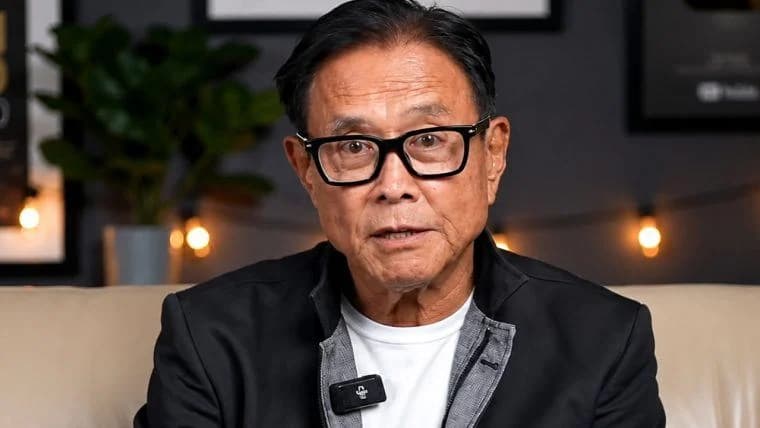



Bitcoin ownership represents a precaution against economic disruption in Robert Kiyosaki’s latest defense of financial preparedness. The Rich Dad Poor Dad author challenged the idea that anticipating trouble reflects pessimism, arguing that protecting wealth can coexist with a positive outlook.
Kiyosaki Sees Bitcoin as Part of a Broader 'Financial Prepper' Bet
WRITTEN BY

SHARE
Key Takeaways
- Robert Kiyosaki compares financial preparation to carrying car insurance.
- He favors bitcoin, gold, and silver over government-issued money.
- His oil-well holdings add an income component to his preparation.
Robert Kiyosaki Compares Bitcoin Ownership to Carrying Insurance
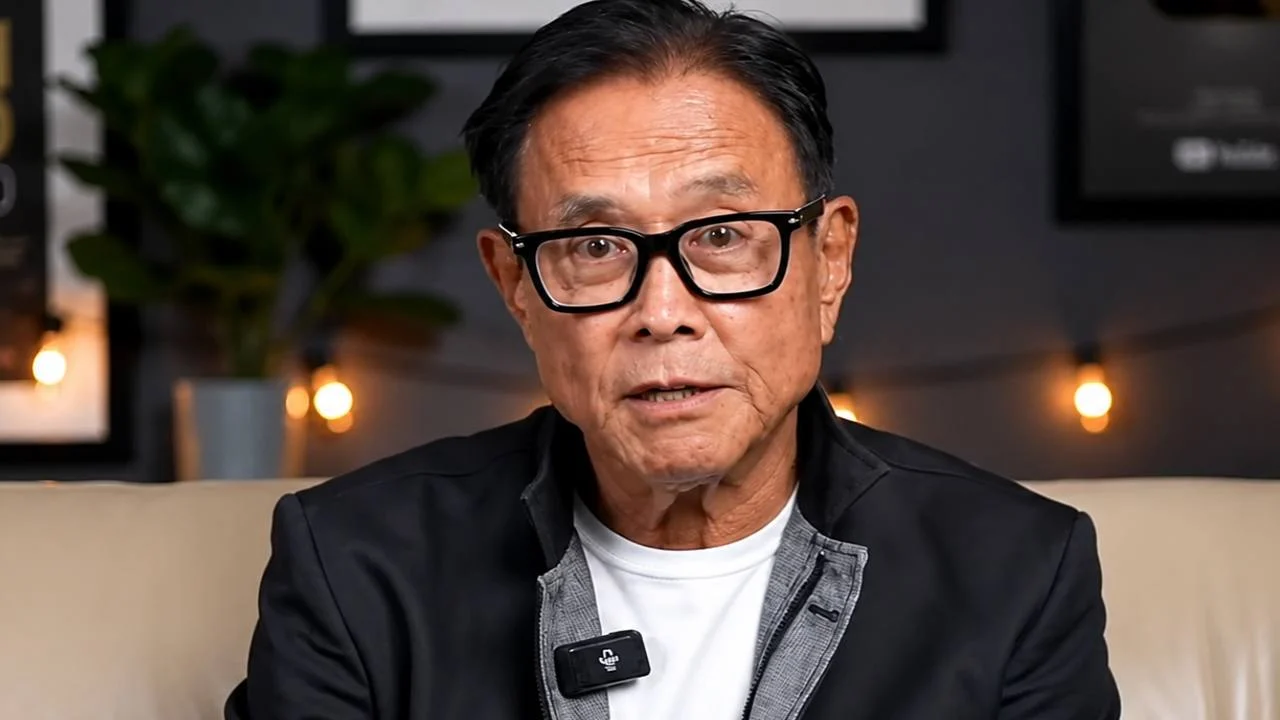
Holding assets outside government-issued currency is part of financial preparedness, according to Robert Kiyosaki, author of Rich Dad Poor Dad. In an Oct. 3 statement on X, he described his financial prepper approach as taking precautions against economic trouble. He recounted a woman questioning whether that mindset was pessimistic and whether positive thinking was healthier.
The famous author responded by asking whether she carried car insurance and hoped for an accident, drawing a parallel between protecting a vehicle and safeguarding wealth. Her acknowledgment that coverage was a precaution led him to ask:
“Do you own any gold, silver, bitcoin?”
After recounting her answers that government money creation could weaken purchasing power, Kiyosaki expressed his preference:
“I only want money the government cannot print.”
That statement reinforces his support for bitcoin within a wider investment strategy. His broader asset preferences included gold, silver, ethereum, and oil in June. In the latest comment, he presented ownership of cryptocurrency and precious metals as preparation for monetary instability, linking his bullish position to protection against currency devaluation.
Purchasing Power Drives His Bitcoin Preference
Kiyosaki’s criticism centers on the risk that cash savings lose buying power even when their dollar balance remains unchanged. He accused the Federal Reserve and government of taking wealth through taxation and inflation. The latter describes rising prices across the economy, leaving a given sum able to purchase less.
The distinction concerns what savings can buy over time, rather than simply how much money an account holds. The Federal Reserve monitors changes in consumer prices through several indexes to assess inflation. Kiyosaki uses that concern to explain why he prefers alternatives to government-issued currency.
Bitcoin’s 21 million-coin supply limit supports Kiyosaki’s preference for assets governments cannot print. That scarcity does not guarantee protection against inflation, however, because BTC’s price depends on demand and can fall even as living costs rise. A fixed supply alone cannot ensure that an investment retains its purchasing power.
Oil Income Broadens His Financial Preparation Strategy
Beyond his preference for scarce assets, Kiyosaki described owning oil wells that generate payments from buyers, including governments. He portrayed those customers as a source of revenue, adding an income component to his preparation. His stance combines criticism of public monetary policy with a willingness to earn from government demand for energy.
His inflation-focused bitcoin position linked higher energy prices and debt to pressure on savings in May. Oil thus has a dual role in his argument: rising prices can increase household expenses, while production provides a business interest through which he receives income.
The renowned author’s broader holdings also include rental apartments, which he listed alongside U.S. oil wells in his September retirement savings warning. He closed the latest statement by asking followers whether they considered themselves financial preppers. Discussing what he described as the customer relationship behind his energy investments, he remarked:
“I also own oil wells. Governments are big buyers of oil. Great customers. They give me money.”

Robert Kiyosaki envisions losing all of his assets and starting over with only $10,000. The Rich Dad Poor Dad author…
Read Now: Robert Kiyosaki Reveals What He Would Do With $10,000 If He Lost Everything