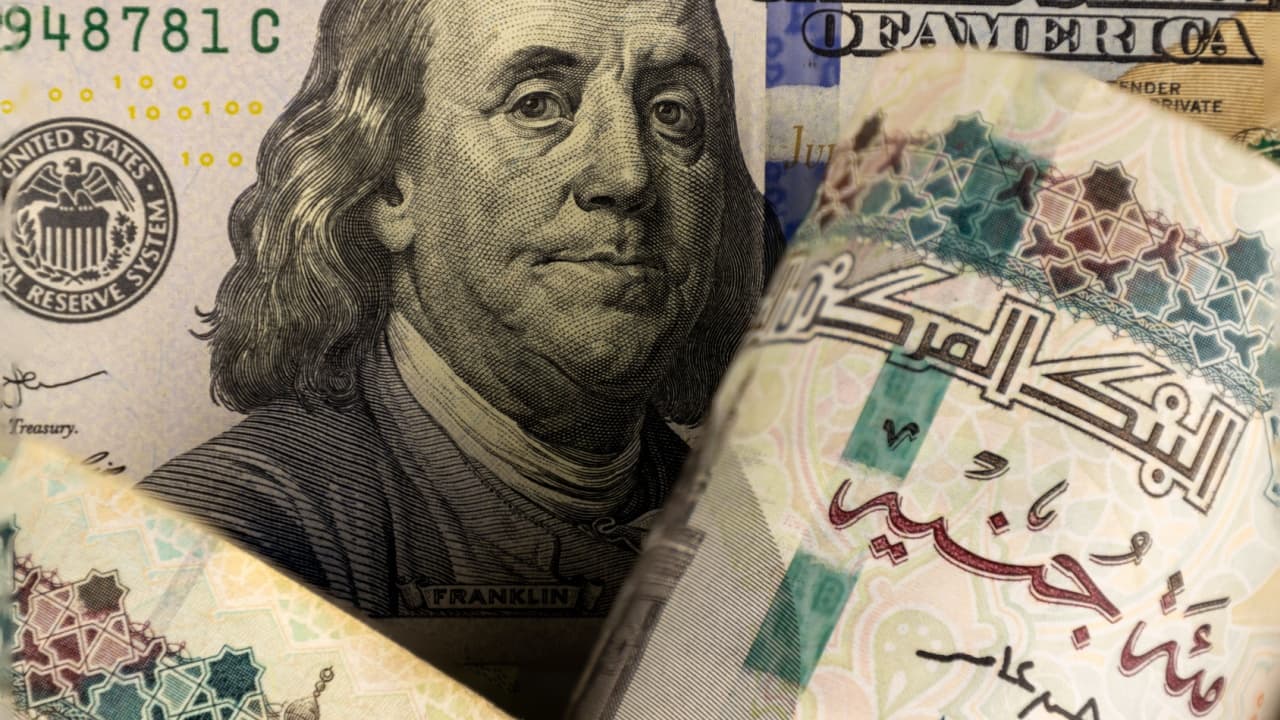
Authorities in Egypt recently allowed the local currency’s exchange rate versus the U.S. dollar to decrease by more than 60%. Additionally, the central bank raised interest rates by 600 basis points. Both steps were key conditions set by the IMF which Egypt had to meet before the approval of a new financial aid package.
Egypt Devalues Currency, Raises Interest Rates to Fulfill Key IMF Aid Requirement

This article was published more than a year ago. Some information may no longer be current.
WRITTEN BY

SHARE
IMF Approves New Billion-Dollar Package for Egypt
On March 6, Egyptian authorities approved the devaluation of the local currency’s exchange rate against the U.S. dollar, moving from just under 31 pounds for every dollar to slightly more than 50 pounds for each dollar.
One report indicated that the pound’s devaluation, which exceeded 60%, brought it in line with the parallel market exchange rate of approximately 50 pounds per dollar. As previously reported by Bitcoin.com News in early February, the pound’s parallel market rate briefly dropped to a record low of 75 pounds before gradually recovering.
Some reports have attributed the recovery of the currency on the parallel market to the subsequent injection of billions of dollars in hard currency into the economy, as well as promises of additional financial aid.
A Reuters report noted that immediately after Egypt hiked rates and devalued the pound, the International Monetary Fund (IMF) agreed to increase the country’s financial aid package from $3 billion to $8 billion. Egypt reportedly views both the latest financial aid package from the IMF and the multi-billion dollar investment deal with the United Arab Emirates (UAE) as providing sufficient support for the pound.
Central Bank Defends Devaluation Decision
While some experts have applauded Egypt’s decision to accept the reform preconditions set by the IMF, others doubt if the North African country is ready to go through with reforms that include curtailing the military’s influence on the economy.
Meanwhile, the Reuters report quotes the country’s central bank defending the decision to devalue the pound.
“The unification of the exchange rate is crucial, as it facilitates the elimination of foreign exchange backlogs,” the central bank said.
Besides devaluing the pound, the Central Bank of Egypt also hiked interest rates by 600 basis points or 6% to 28.25%. Before that, the central bank had increased interest rates by 200 basis points.
Register your email here to get a weekly update on African news sent to your inbox:
What are your thoughts on this story? Let us know what you think in the comments section below.