


Representative French Hill still hopes for approval of the CLARITY Act after the midterm elections. Hill, who championed the FIT21 Act—an earlier attempt to establish clear rules for the crypto market—believes that the current agency-led regulatory approach “falls short” of what America needs to maintain leadership.
Rep. Hill Eyes Lame-Duck Session to Secure CLARITY Act Approval
WRITTEN BY

SHARE
Key Takeaways
- Rep. Hill is pushing for lame-duck CLARITY Act passage to secure US dominance in digital assets.
- Hill argued that SEC and CFTC crypto rules fall short, making a permanent legislative solution necessary.
- Analysts warn agency rules are easily reversed under new administrations, adding market uncertainty.
House Financial Services Committee Chair Still Hopeful For Late CLARITY Act Approval
While many in the crypto industry believe the Digital Asset Market Clarity Act—known as the CLARITY Act—is already dead after failing to reach the votes needed for cloture in the Senate last month, some are still hopeful for a late approval.
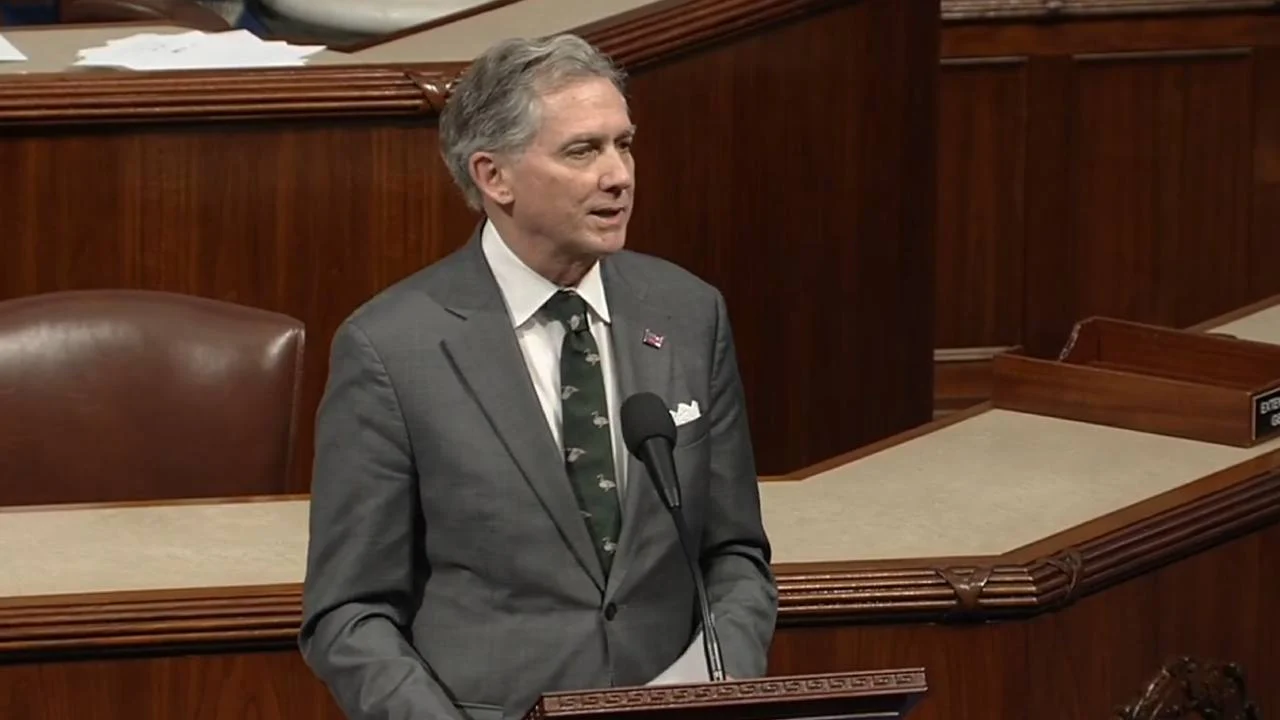
Representative French Hill, chairman of the House Financial Services Committee, believes the CLARITY Act can pass in the lame duck period in the Senate following next month’s midterm elections.
“I still have hopes that we can get it passed in the lame duck session in Congress. We need that permanent law change to make sure America is number one in digital assets and blockchain technology,” Hill declared during an interview on Fox Business aired on Wednesday.
Hill, who championed the Financial Innovation and Technology for the 21st Century Act (FIT 21), an earlier attempt to regulate the digital assets industry, also commented on the recent regulatory escalation from government agencies like the Securities and Exchange Commission (SEC) and the Commodity Futures Trading Commission (CFTC).
Hill recognized that the SEC and the CFTC were using their existing regulatory faculties to define digital assets and digital commodities so the crypto system can function. Nonetheless, he stressed that this approach was insufficient.
“In my judgment, these regulatory policies fall short of what we have to do, which is have a legislative solution,” Hill concluded.
While helpful, analysts have stressed that agency rules can change and be reversed more easily than congressional action. After CLARITY fell short, Troutman Pepper Locke highlighted that while agency-based rules offer guidance, they cannot give certainty.
“Agency action is subject to direction under future administrations, which could revise or withdraw rules and interpretations and change agency enforcement priorities,” the firm declared, pointing to the Trump administration’s reversal of years of anti-crypto policies and enforcement actions against crypto industry actors as an example.
Agency action can also be contested. In fact, John Reed Stark, founder and former chief of the SEC’s Office of Internet Enforcement, has already labeled the SEC’s deregulation push as overreach, stressing that these matters exceed the agency’s faculties and usurp congressional authority.

The CLARITY Act finally reached its first real Senate floor test Tuesday and promptly hit a wall. Senators voted 49-50…
Read Now: CLARITY Act Isn’t Dead, but Washington Is Running Out of Calendar