Bulls assert that the current state of macro trade tensions, fueled by the Trump administration’s ongoing threat of tariffs, might propel gold to levels never seen before.
While Gold Recently Broke $3,000, Bulls Believe It Still Has Legs

This article was published more than a year ago. Some information may no longer be current.
WRITTEN BY

SHARE
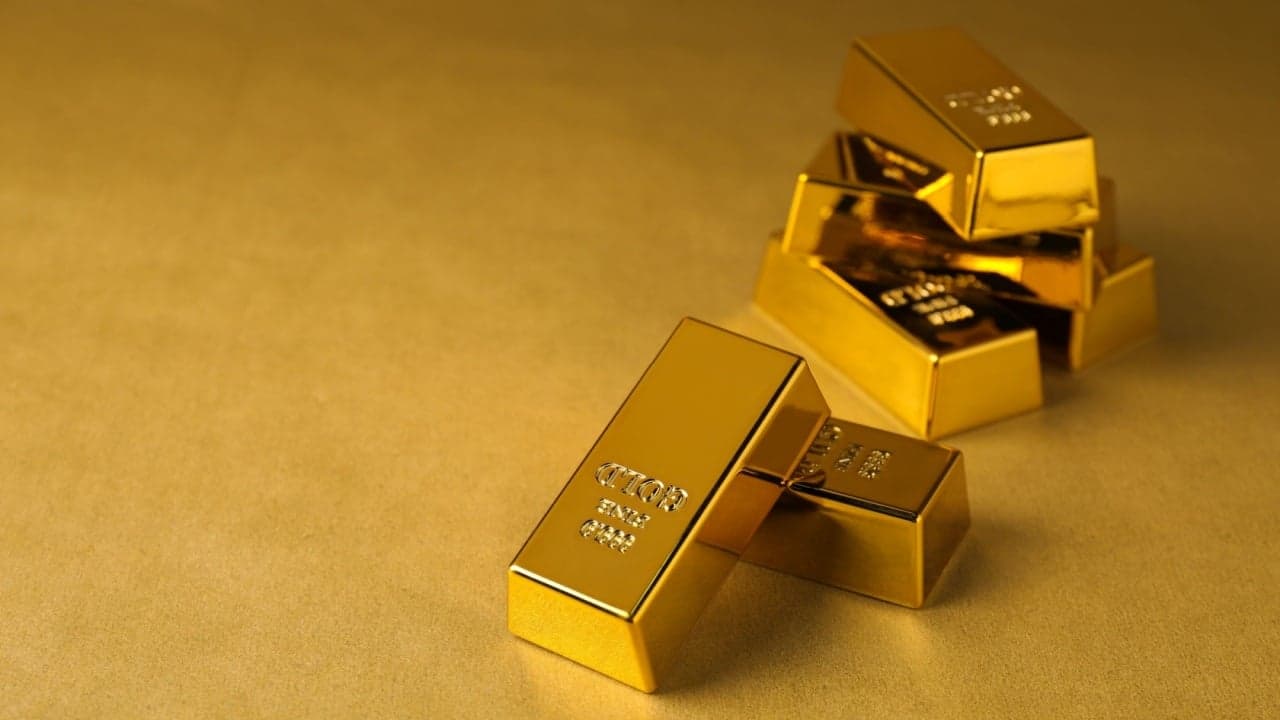
Gold Continues to Shine, but Bulls Anticipate Further Growth
Gold, an asset that has been considered a hedge against inflation, devaluation, and macroeconomic turmoil, has surpassed a key high level in its run for new heights. The price of an ounce of fine gold touched $3,004.86 on Friday, marking an all-time high and consolidating a dash that has allowed the asset to rise over 14% since the start of 2025.
The rise comes after a drop during March’s first days, primarily due to the strength that the U.S. dollar had been showing against other currencies. This makes gold’s price rise even more meaningful, defying standard market conditions.
Read more: Gold Bulls Unfazed by Pullback, $3,000 Still in Sight
The rising demand on both sides of the aisle, with both East and West anticipating a possible trade war scenario, is what analysts state has been key for the rise of gold to current levels.
Macquarie Group analysts believe that there is still room for growth. In a recent report, the firm stressed that, besides the already explained causes, gold might receive a push from a potential increase in the U.S. deficit.
Nonetheless, Macquarie remarks that the current bull market is supported by gold’s fundamental strengths.
In the report, Macquarie analysts state:
We view gold’s price strength to date, and our expectation for it to continue, as primarily being driven by investors’ and official institutions’ greater willingness to pay for its lack of credit or counterparty risk.
Macquarie expects gold to reach $3,500 during Q3, and its price might average $3,150 before this wild upswing, partially supported by other aspects of the gold market, including the physical market and increased demand from exchange-traded funds.
Demand for gold from central banks is also expected to keep rising, as the current economic policy from the U.S. raises questions about the future of the U.S. dollar. In this case, world banks use gold as a hedge against the fluctuations of the U.S. currency and as a diversification element in foreign currency reserves.