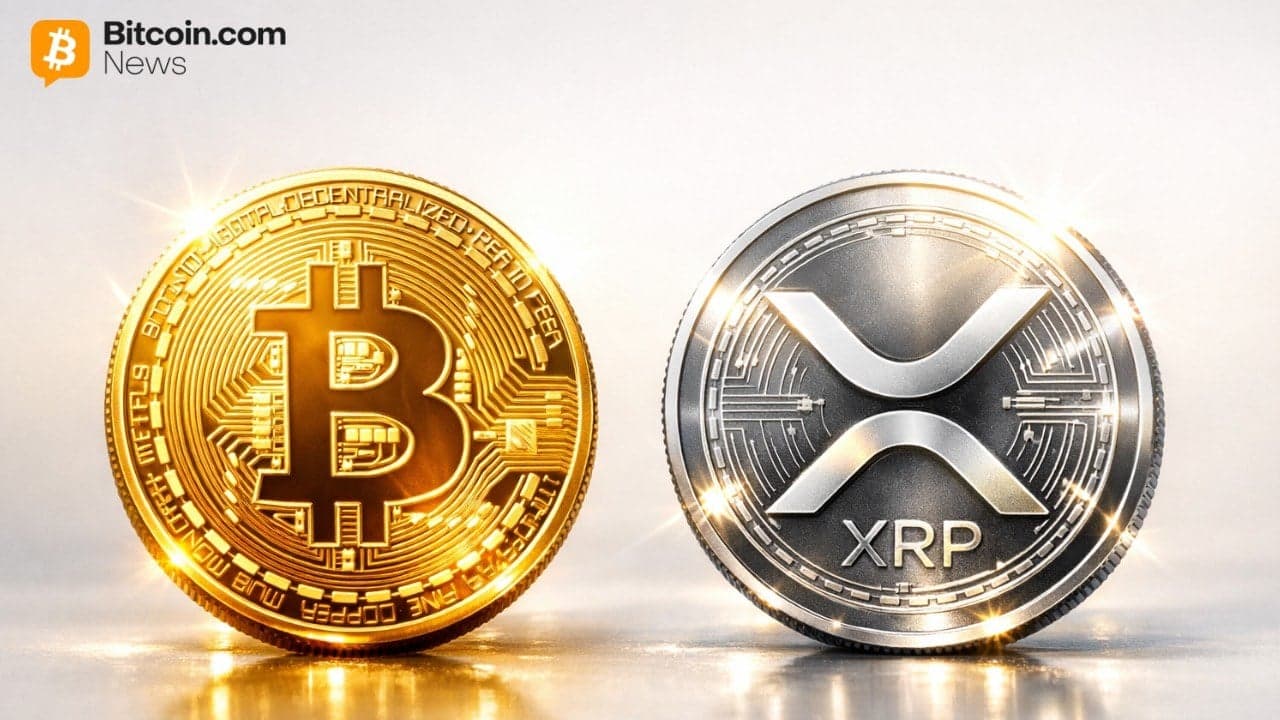
Cryptocurrencies like XRP and BTC offer advantages in global use, control, and long-term growth, as Ripple CTO emeritus David Schwartz highlights key differences shaping their role against stablecoins.
When Crypto Beats Stablecoins: Ripple’s Schwartz Says He’d Pick XRP or BTC Over USD for Locked Funds
WRITTEN BY

SHARE
Key Takeaways:
- Ripple’s David Schwartz favors XRP and BTC over USD for escrow, citing stronger upside.
- He warns issuers can freeze funds, exposing users to centralized control risk.
- He says stablecoins tied to fiat limit global utility across borders and multi-currency systems.
Ripple CTO Emeritus Breaks Down 3 Key Crypto Advantages
David Schwartz, CTO emeritus of Ripple, shared on social media platform X on April 2 his views on stablecoins and cryptocurrencies. He outlined three specific advantages cryptocurrencies hold over stablecoins. His remarks focused on cross-border limitations, issuer control risks, and long-term value potential in digital assets. The discussion framed how different asset types serve distinct roles in financial systems.
“There are some cases where volatility is a huge problem and so a stablecoin is a better choice than a cryptocurrency,” he explained. “Similarly, there are some cases where a regulated asset with a trusted counterparty is a benefit.”
Schwartz then detailed his first point, explaining that stablecoins are limited because they are tied to a single fiat currency. He argued that this structure reduces their effectiveness in applications spanning multiple jurisdictions with different national currencies. He indicated that users may not find a stablecoin matching the exact fiat exposure and qualities required for global use cases. This limitation becomes more apparent in cross-border payments, trade settlements, and decentralized systems operating across regions.
The second point focused on control and legal exposure tied to stablecoin issuers. Schwartz noted:
“A stablecoin can be frozen or clawed back by its issuer. ”
He emphasized that centralized entities must comply with court orders, which may override user interests. This creates a structural difference from decentralized cryptocurrencies, where control is not tied to a single authority capable of restricting access. He pointed to scenarios where regulatory actions, legal disputes, or geopolitical pressures could influence asset accessibility without user consent.

XRP Adoption Expands as Ripple Embeds Digital Asset Capabilities Directly into Enterprise Treasury Platforms
XRP is advancing into enterprise finance as Ripple integrates it into treasury systems, enabling real-time liquidity management and positioning it…
Read Now

XRP Adoption Expands as Ripple Embeds Digital Asset Capabilities Directly into Enterprise Treasury Platforms
XRP is advancing into enterprise finance as Ripple integrates it into treasury systems, enabling real-time liquidity management and positioning it…
Read NowXRP Adoption Expands as Ripple Embeds Digital Asset Capabilities Directly into Enterprise Treasury Platforms
Read NowXRP is advancing into enterprise finance as Ripple integrates it into treasury systems, enabling real-time liquidity management and positioning it…
The final point addressed upside potential and long-term value considerations between asset types. Schwartz stated: “For most cryptocurrencies most of the time, the upside is worth more than the downside.” He added: “So if you don’t need stability, you might prefer a cryptocurrency over a stablecoin for many applications.” The Ripple CTO emeritus remarked:
“If I had to lock up some money in an escrow for a year, I might well prefer XRP or BTC to USD because I know USD isn’t going up.”
The comparison suggested that assets designed for growth may appeal more in longer-duration financial arrangements.