Despite concerted efforts by the BRICS nations to decrease global dependence on the U.S. dollar, the fiat currency remains the dominant force in the world economy, a new study from the Atlantic Council’s Geoeconomics Center finds. The report underscores the challenges of de-dollarization amidst geopolitical tensions.
US Dollar Retains Global Dominance Despite BRICS Efforts, Reveals Atlantic Council Report

This article was published more than a year ago. Some information may no longer be current.
WRITTEN BY

SHARE

U.S. Dollar Holds Firm as Global Reserve Leader
The “Dollar Dominance Monitor” indicates that the U.S. dollar continues to lead in foreign reserve holdings, trade invoicing, and currency transactions worldwide. The study highlights the dollar’s unchallenged role as the primary global reserve currency, bolstered recently by a tighter monetary policy.
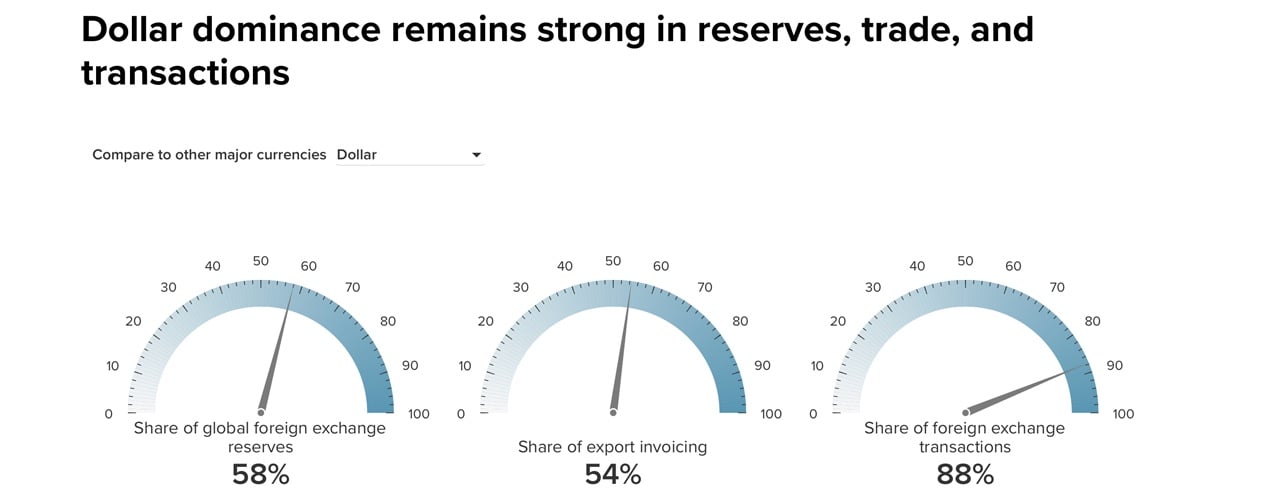
This dominance is projected to persist in the near and medium term, reflecting the dollar’s entrenched position in the global financial system. Efforts by BRICS countries—Brazil, Russia, India, China, South Africa, and recent members Iran, Egypt, Ethiopia, and the United Arab Emirates—to forge a currency union have faced significant hurdles.
The study notes that while these nations have pushed for alternatives like China’s Cross-Border Interbank Payment System (CIPS), which saw a 78% increase in direct participants over the last year, the dollar’s influence remains largely unshaken. The Atlantic Council report also sheds light on the decline in the global share of the Chinese renminbi, from a peak of 2.8% in 2022 to 2.3% recently.
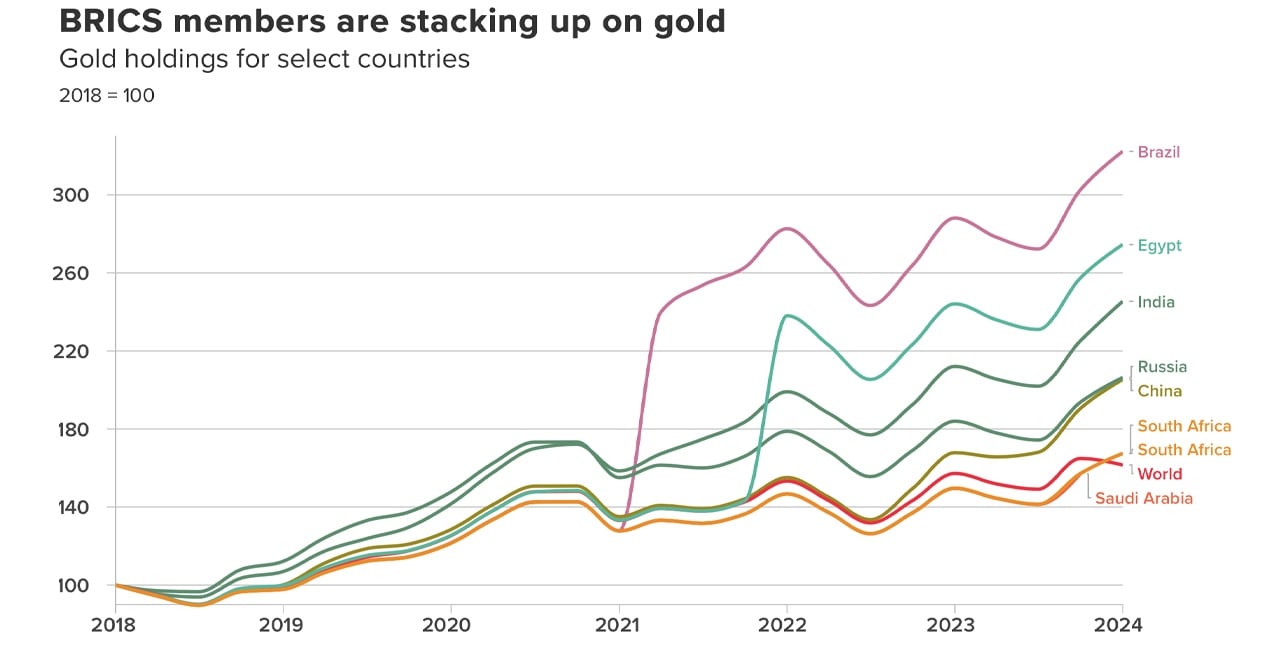
The study says the decline is attributed to concerns over China’s economic outlook and geopolitical risks, including tensions surrounding Taiwan. The report emphasizes the geopolitical risks associated with reserve currencies, which have prompted some central banks to increase their gold reserves, further diluting the role of alternative currencies like the euro and renminbi.
The study explains that the euro’s allure as a reserve currency has waned, influenced by the European Union’s macroeconomic instability and the geopolitical effects of sanctions on Russia. As central banks seek gold to diversify from the euro and the dollar, the report from the Atlantic Council depicts the prevailing uncertainty in the market.
Although the greenback remains unchallenged, the study points out the economic fragmentation and the initiatives by BRICS nations to transition to alternative international and reserve currencies, presenting potential challenges for the world’s leading reserve currency.
What do you think about the Atlantic Council report? Share your thoughts and opinions about this subject in the comments section below.