The U.S. is establishing a bitcoin reserve and crypto stockpile under President Trump’s executive order, ensuring forfeited digital assets are strategically managed rather than sold.
US Bitcoin Reserve and Crypto Stockpile—White House Breaks Down Trump's Executive Order

This article was published more than a year ago. Some information may no longer be current.
WRITTEN BY

SHARE
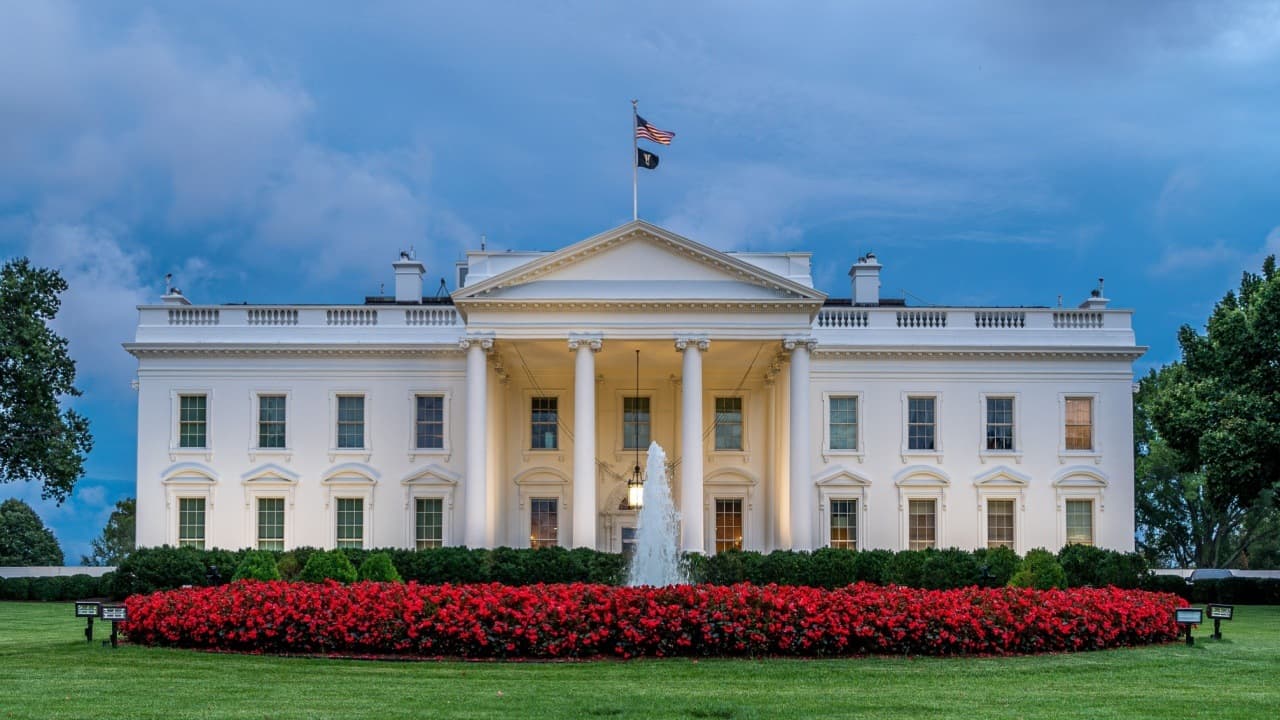
White House Explains Trump’s Executive Order on Bitcoin Reserve and Crypto Stockpile
U.S. President Donald Trump signed an executive order on March 6, creating a strategic bitcoin reserve and a U.S. digital asset stockpile to strengthen the nation’s approach to digital asset management. The White House published a fact sheet explaining the order, stating:
The Strategic Bitcoin Reserve will be capitalized with bitcoin owned by the Department of Treasury that was forfeited as part of criminal or civil asset forfeiture proceedings.
“Other agencies will evaluate their legal authority to transfer any bitcoin owned by those agencies to the Strategic Bitcoin Reserve,” the fact sheet adds. The administration clarified that “the United States will not sell bitcoin deposited into this Strategic Bitcoin Reserve, which will be maintained as a store of reserve assets.” This initiative positions bitcoin as a long-term strategic asset for the U.S. government rather than an asset to be liquidated.
In addition to the bitcoin reserve, the executive order created a separate stockpile for other digital assets obtained through forfeiture. The fact sheet details:
It also established a U.S. Digital Asset Stockpile, consisting of digital assets other than bitcoin owned by the Department of Treasury that was forfeited in criminal or civil asset forfeiture proceedings.
However, “the government will not acquire additional assets for the U.S. Digital Asset Stockpile beyond those obtained through forfeiture proceedings,” the White House fact sheet confirms. The administration aims to centralize and better manage these assets, addressing what it describes as a previously disorganized approach. The order requires federal agencies to report their digital asset holdings to the Secretary of the Treasury and the President’s Working Group on Digital Asset Markets to improve oversight and accountability. Nonetheless, Treasury Secretary Scott Bessent said on March 7 that the government plans to acquire more bitcoin to expand its strategic reserve beyond seized assets in the future.
President Trump’s move aligns with his broader goal of making the United States a global leader in cryptocurrency. His administration has already taken steps in this direction, including appointing a crypto czar and organizing the first White House crypto summit. Trump has consistently voiced his support for digital assets, stating:
I am very positive and open minded to cryptocurrency companies, and all things related to this new and burgeoning industry. Our country must be the leader in the field.
By formally establishing the Strategic Bitcoin Reserve, Trump is delivering on his campaign promise to position America at the forefront of the global cryptocurrency landscape.