UBS is witnessing a transformative shift in client interactions driven by artificial intelligence, according to Sabine Keller-Busse, the head of the Swiss bank’s domestic business. Keller-Busse compared the change to how patients now approach doctors with self-diagnosed conditions.
UBS Executive Highlights AI's Impact on Banking

This article was published more than a year ago. Some information may no longer be current.
WRITTEN BY

SHARE
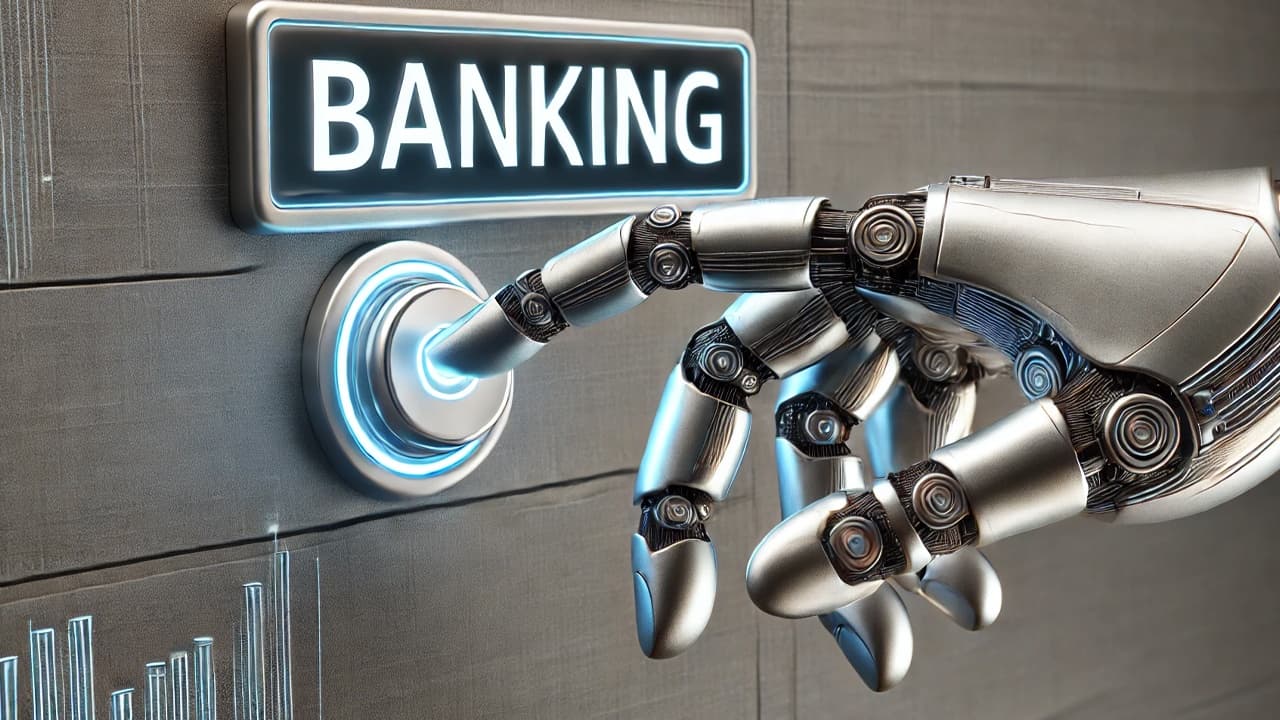
UBS Sees AI Revolutionizing Financial Interactions
Artificial intelligence (AI) is reshaping the banking industry, with clients increasingly utilizing AI tools to generate ideas they bring to their banks. According to a recent Reuters report, Sabine Keller-Busse, head of UBS’s domestic business, emphasized this trend during the Point Zero Forum in Zurich. “In our industry this will happen as well because with Chatgpt there is more data available,” Keller-Busse noted, underscoring the growing influence of AI in client-bank interactions.
UBS has already integrated AI into its service offerings, launching a pilot for instant credit aimed at small and mid-sized companies in the past year. This service, which bypasses traditional credit officers, has streamlined the process for standard credit products, demonstrating the practical benefits of AI integration. “It’s just the beginning of what we will see,” Keller-Busse stated, hinting at more extensive AI applications in the future.
In January 2024, UBS revised its AI revenue forecasts significantly, predicting a fifteenfold increase between 2022 and 2027. The bank now estimates AI industry revenues to reach $420 billion by 2027, driven by higher-than-anticipated demand and clearer company spending plans on AI infrastructure. UBS’s forecast highlights the rapid evolution and potential of AI within the financial sector, projecting a 72% annual growth rate over the five-year period.
Artificial intelligence has significantly strengthened the equities markets, and recently, technology and graphics processing unit (GPU) manufacturer Nvidia attained the position of the world’s largest company by market valuation. However, Nvidia experienced a decline, falling to the third-largest company, behind Microsoft and Apple. AI has also permeated the crypto economy, with over 100 AI-focused digital assets collectively valued at $16.54 billion today.
What do you think about AI affecting the banking industry and other areas of finance? Share your thoughts and opinions about this subject in the comments section below.