The Iranian currency plummeted to new lows against the U.S. dollar after President Donald Trump reinstated his “maximum pressure” policy against the Middle East country.
Trump's Tough Talk on Iran Sends Rial Tumbling to Record Lows

This article was published more than a year ago. Some information may no longer be current.
WRITTEN BY

SHARE
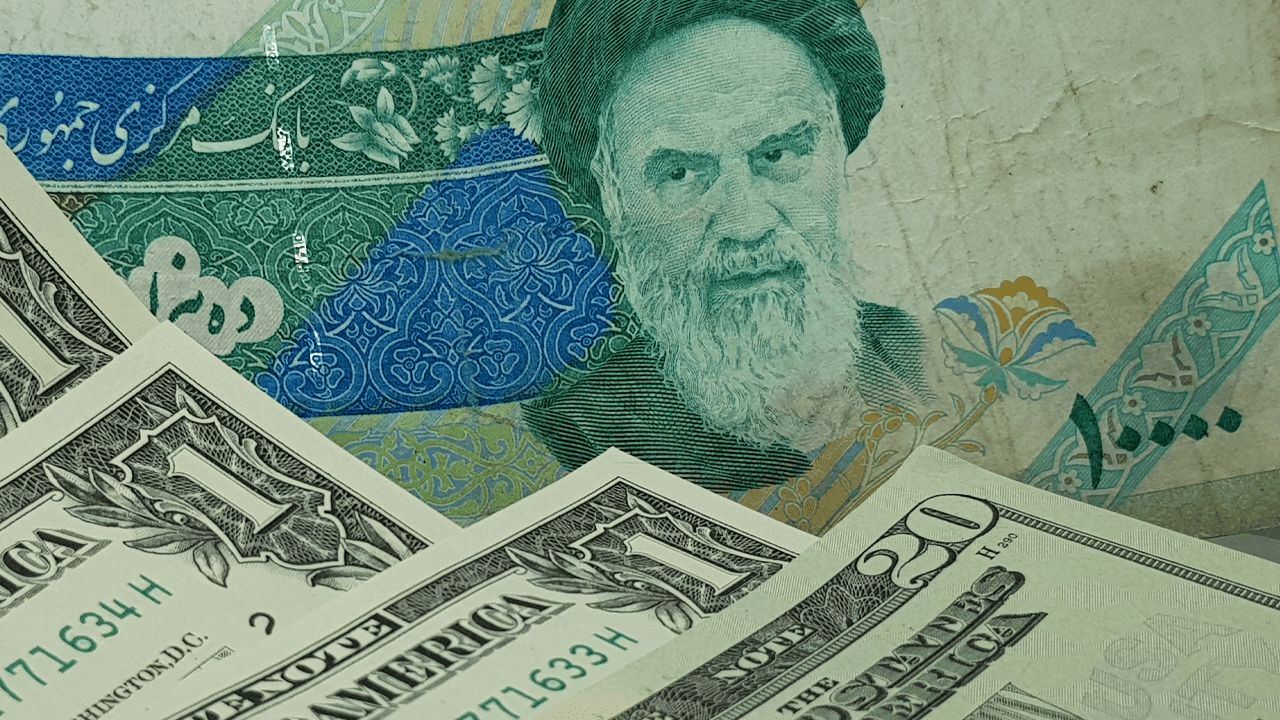
Trump’s Rhetoric Impacts Markets
The Iranian currency plummeted to new lows against the dollar after the U.S. President Donald Trump reinstated his “maximum pressure” policy against Iran. Some observers linked the rial’s decline to reports that Iran’s Supreme Leader Ayatollah Ali Khamenei had ruled out talks with the Trump administration.
According to a Bloomberg report, one U.S. dollar was trading for 890,000 rials on Feb. 8. Other reports indicated the currency breached 900,000 rials within 24 hours. The rial has depreciated by 75% over the past 12 months, making it one of the worst-performing currencies in that period.
Reacting to reports of the rial’s plunge, Richard Goldberg, senior advisor at the Foundation for the Defense of Democracies, claimed that markets are responding to Trump’s maximum pressure rhetoric.
“This is a direct result of President Trump’s very public and clear directive to restore maximum pressure on Tehran. The president dramatically increased his leverage by making maximum pressure an official policy for the market to see, and he will continue increasing his leverage with each major enforcement action taken pursuant to his order. Sanctions leverage has a lot to do with psychology and momentum, so the market needs to see a sustained campaign for the president to achieve his objectives,” Goldberg is quoted as saying.
As part of Trump’s maximum pressure policy, the U.S. is set to impose financial sanctions on individuals and entities thought to be facilitating the shipment of hundreds of millions of dollars’ worth of Iranian crude oil to China. The policy will also see U.S. officials working toward implementing “a campaign aimed at driving Iran’s oil exports to zero.”
Meanwhile, Iranian Foreign Minister Abbas Araghchi explained on Feb. 9 that his country is open to talks with the U.S. but rejects Trump’s policy. He added that Iran does not “want to negotiate with a country that is simultaneously imposing new sanctions.”