A former chief economist at the African Export-Import Bank said many governments are increasingly promoting the use of local currencies to reap the economic benefits of having an international currency.
Trump’s Tariffs, Sanctions to Speed up De-Dollarization, Economist Says

This article was published more than a year ago. Some information may no longer be current.
WRITTEN BY

SHARE
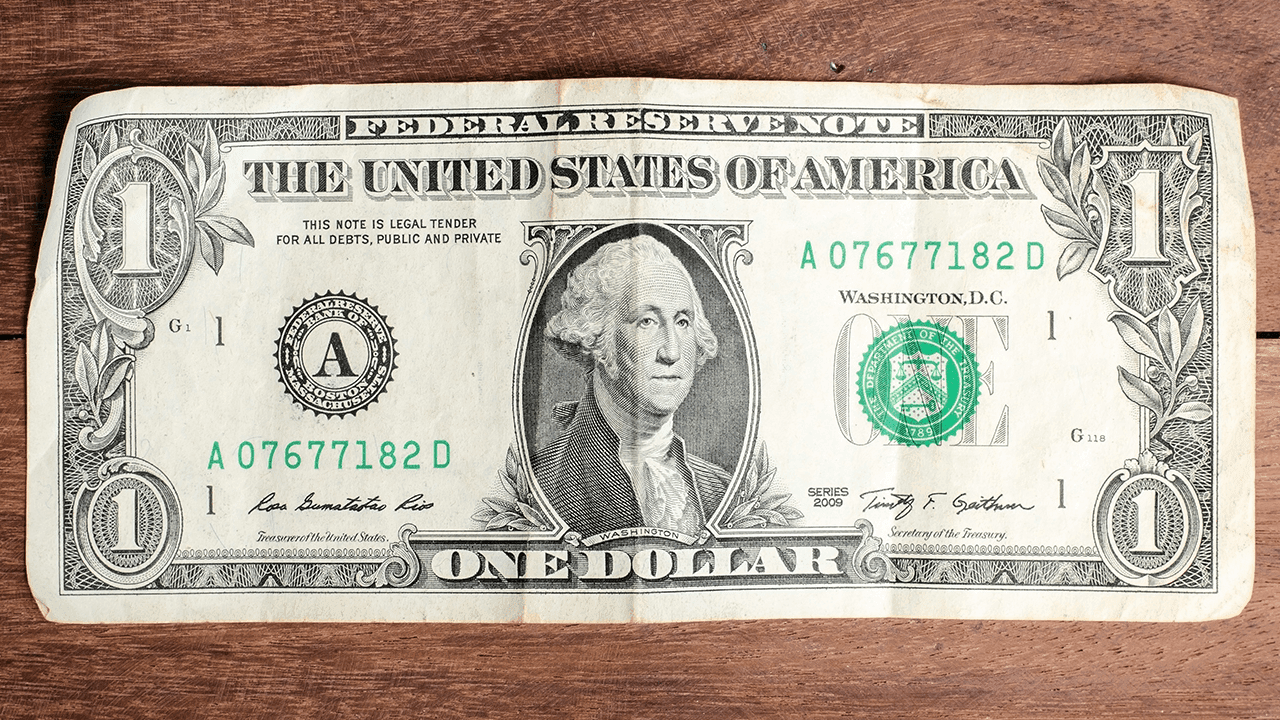
De-Dollarization Is Not a New Phenomenon
According to Hippolyte Fofack, former chief economist at the African Export-Import Bank, many governments are promoting the use of instruments denominated in their local currencies to capture the economic benefits associated with having an international currency.
Fofack argues that this shift toward local currencies, which U.S. President-elect Donald Trump has threatened to punish, is unrelated to Washington’s strategic use of the dollar. In a CNBC Africa op-ed, Fofack noted that countries in the Global South reducing their dollar dependence is not a new phenomenon.
The European Union’s monetary integration, which led to the creation of the euro, illustrates what countries promoting local currencies aim to achieve. Launched over 25 years ago, the euro rose to become the second most important currency in the international monetary system, accounting for 20% of global foreign exchange reserves in 2023.
In 2022, more than half of the goods imported into the EU from outside the bloc were invoiced in euros, while 59% of exports from the EU were also invoiced in euros. Fofack believes the euro’s success in reducing dollar dominance is a model for Global South countries to follow.
While some Global South countries may de-dollarize to shield against U.S. financial sanctions, Fofack thinks this strategy would counter the impact of Trump’s retaliatory tariffs.
“To be sure, de-dollarization also serves as a hedge against US financial sanctions, which are expected to proliferate under Trump. But the myriad other benefits of pursuing such a policy, especially in terms of macroeconomic management and growth, are huge, and will likely outweigh the costs of the retaliatory tariffs that Trump has promised to impose on currency competitors,” the Afrexim Bank economist said.
While the economist concedes that dislodging the dollar will remain difficult, he insists that de-dollarization is already underway. He cites the shift to nontraditional reserve currencies and the cross-border use of national currencies as evidence of this. Fofack said the tsunami of tariffs and sanctions under a Trump administration will hasten the dollar’s decline.