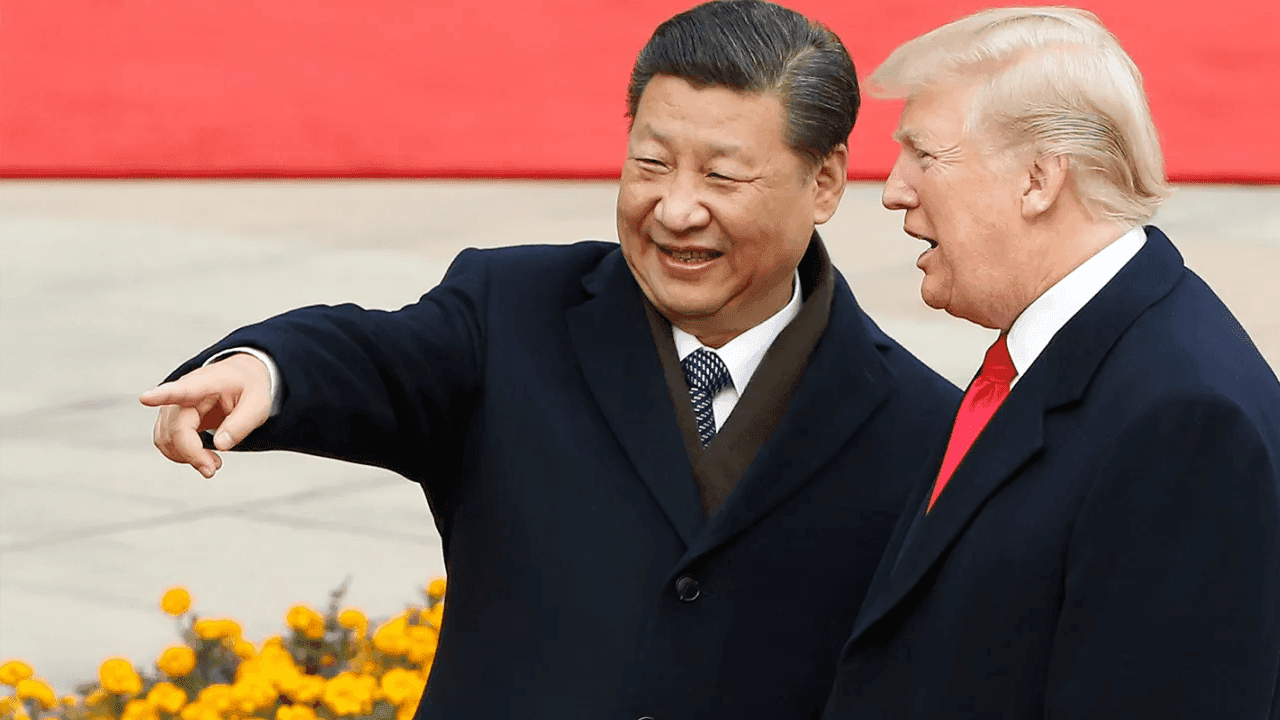
China’s top leaders are considering allowing the yuan to weaken in 2025 to counter potential U.S. trade tariffs under Donald Trump’s presidency. Trump plans to impose a 10% universal import tariff and a 60% tariff on Chinese imports. A weaker yuan could make Chinese exports cheaper, mitigating the tariff impact, and creating looser monetary settings in mainland China. However, this move would deviate from China’s usual practice of maintaining a stable foreign exchange rate. The yuan is tightly managed, allowed to fluctuate only 2% on either side of a daily mid-point set by the central bank. Despite this, China’s leaders recognize the need for bigger economic stimulus to combat Trump’s trade threats.
Trump's Tariff Threat Prompts China to Consider Yuan Devaluation

This article was published more than a year ago. Some information may no longer be current.
WRITTEN BY

SHARE