China and Nigeria have renewed a $2 billion currency swap arrangement for another three years.
Trump's Dedollarization Warning Falls Flat as Nigeria, China Renew $2 Billion Currency Swap Deal

This article was published more than a year ago. Some information may no longer be current.
WRITTEN BY

SHARE
Trump Tariff Threat
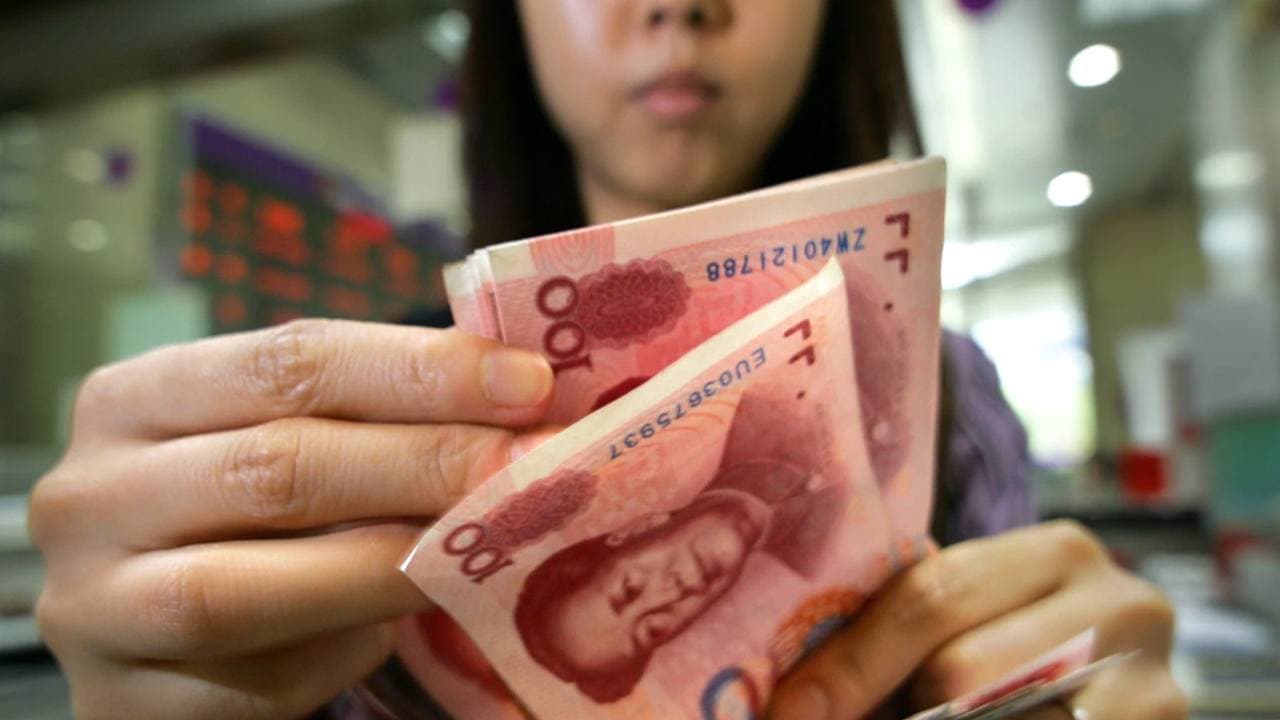
China and Nigeria have agreed to renew a $2 billion currency swap arrangement, initially signed in 2018. The arrangement reportedly aims to strengthen financial cooperation between the two countries and expand the use of their respective currencies.
According to a Bloomberg report, the People’s Bank of China confirmed the extension of the swap arrangement for another three years. The arrangement can be renewed further when the current one lapses.
This development comes amid tariff warnings issued by U.S. President-elect Donald Trump in December. Trump threatened to deny access to the U.S. market for BRICS member countries that ditch the dollar, demanding they commit to using the U.S. dollar instead.
In response to Trump’s threats, South Africa and India denied claims that the BRICS economic bloc is attempting to move away from the dollar. The currency swap arrangement between China and Nigeria is valued at $2 billion and is expected to promote bilateral trade and investment between the two countries.
Nigeria Naira Struggles
The Nigeria-China swap arrangement aims to provide naira liquidity to Chinese businesses and yuan liquidity to Nigerian businesses, reducing the need for U.S. dollars in trade between the two countries. However, some critics fear the Trump administration may view the swap renewal as a challenge to the dollar.
For Nigeria, the agreement also seeks to reduce pressure on external reserves and ensure foreign exchange stability. Since its inception in 2018, the Nigerian currency has depreciated from 305 naira per dollar to nearly 1,000 naira per dollar by the end of 2022. After the incoming government abandoned a fixed exchange rate regime in mid-2023, the naira plunged to over 1,000 naira per dollar. The currency has continued to depreciate against the dollar, raising questions about the effectiveness of policies aimed at stabilizing the naira.
Experts like Taiwo Oyedele, head of tax and corporate advisory services at PWC Nigeria, have previously claimed that import substitution and promoting locally produced goods was more effective at stabilizing the local currency than a simple currency swap with an industrialized country like China.