The “America First” policies of the Trump administration could weaken currencies such as the Nigerian naira, leading to higher debt servicing costs.
Trump's 'America First' Policies Threaten African Currencies

This article was published more than a year ago. Some information may no longer be current.
WRITTEN BY

SHARE
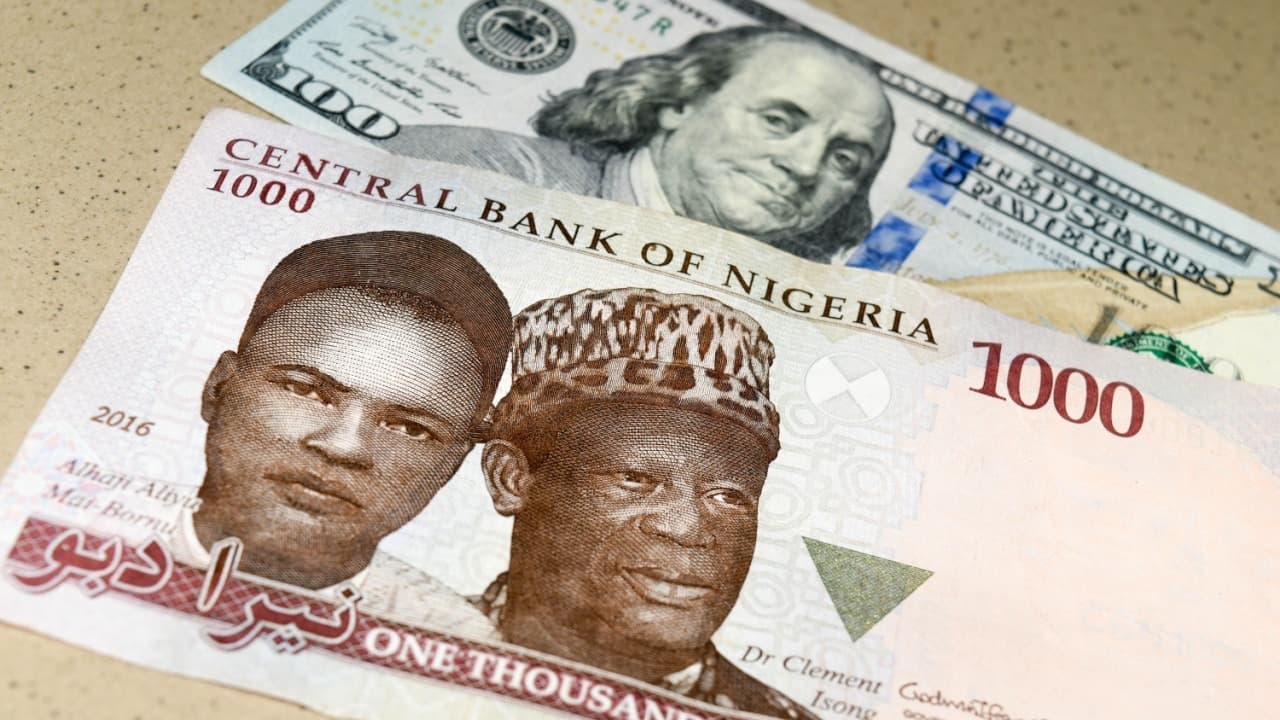
Trump Threat
The “America First” policies of the Trump administration could lead to the weakening of currencies like the Nigerian naira, which in turn raises the cost of servicing debt. Furthermore, these policies, which include ramping up U.S. oil production and urging other major producers to lower the commodity‘s price, will impact Africa’s top oil producers.
Ugodre Obi-Chukwu, CEO of the prominent Nigerian financial media outlet Nairametrics, warned that Sub-Saharan African countries will have much to do if Trump follows through on his promise to impose tariffs on countries he perceives as shortchanging the U.S.
As previously reported by Bitcoin.com News and other media outlets, the 47th U.S. president has threatened to retaliate against countries seeking to abandon the U.S. dollar. Nigeria, which recently had its currency swap deal with China renewed, is one of several African countries faced with a difficult choice: either abide by Trump’s demands and continue to enjoy access to the U.S. market or move closer to the BRICS bloc and risk American sanctions.
Another retaliatory measure the Trump administration may take is removing African countries from eligibility to access the U.S. market under the Africa Growth and Opportunity Act (AGOA). Obi-Chukwu suggested that the Trump administration could end AGOA altogether, which may result in a significant drop in Sub-Saharan Africa’s exports to the U.S.
Meanwhile, the Nairametrics CEO addressed the prospects of the Nigerian central bank raising interest rates when its monetary policy committee meets for the first time in 2025.
“Let me say here that the first meeting of MPC will largely be influenced by inflation numbers in January, which would have been out in February before the meeting. I suspect that because of the inflation, they will likely keep rates stable,” Obi-Chukwu said.
However, the CEO expects interest rates to decline as the year progresses.