U.S. President Donald Trump signaled the Strait of Hormuz could reopen under potential joint control with Iran as he delayed planned strikes, easing immediate pressure on global energy markets.
Trump Signals Joint US-Iran Control of Strait of Hormuz Amid Oil Crisis
WRITTEN BY

SHARE
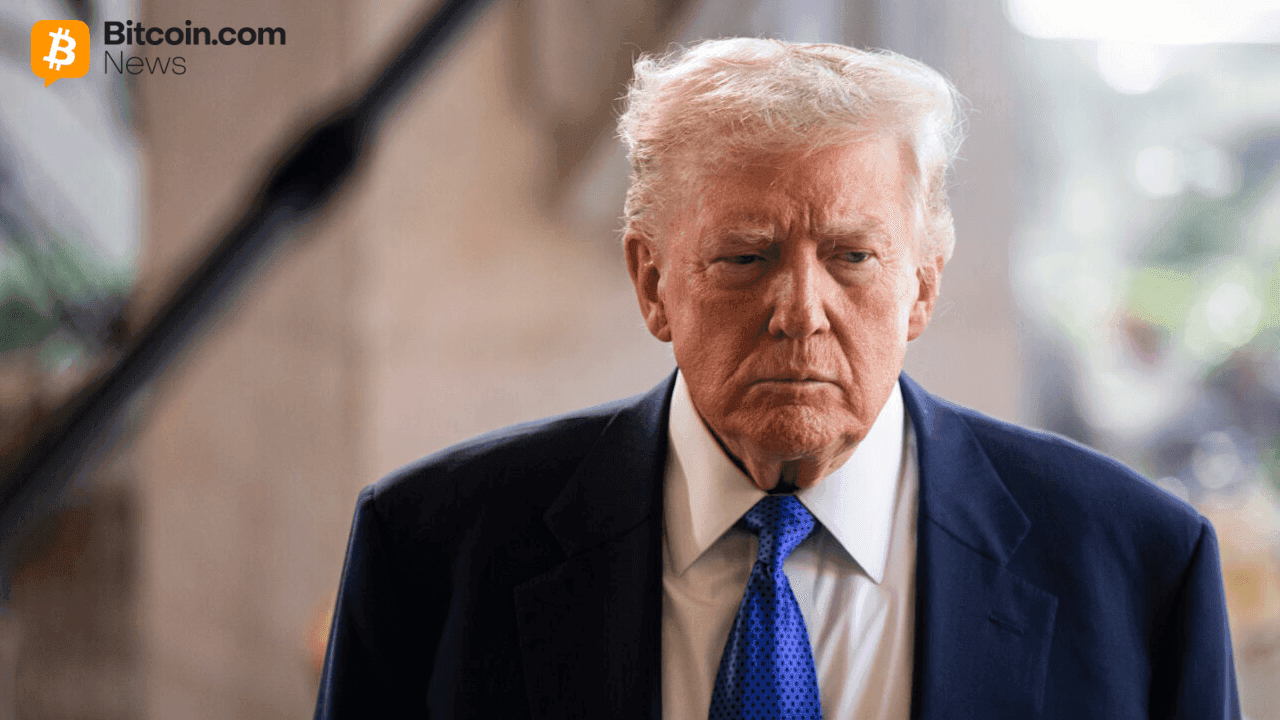
Strait of Hormuz Update: Trump Delays Strikes, Suggests Shared Control
The comments arrive as the U.S.-Israel military campaign against Iran enters its fourth week, with the key shipping lane still heavily restricted and global trade flows strained. The Strait of Hormuz remains a critical artery for oil and liquefied natural gas, and disruptions have rattled supply chains worldwide.
Speaking to reporters on Monday morning, Trump remarked that the strait might be “jointly controlled,” adding, “Maybe me — me and the ayatollah, whoever the ayatollah is, whoever the next ayatollah.” He added that recent engagements with Tehran had been “very good and productive.”
The president also confirmed a five-day delay on planned U.S. strikes targeting Iranian power plants and energy infrastructure, extending an earlier 48-hour ultimatum. The pause, expected to run through roughly March 27–28, is intended to allow negotiations to continue.
Days earlier, Trump warned that if Iran did not fully reopen the strait, the United States would “hit and obliterate” key power facilities. The latest pivot toward a temporary delay signals a shift in tone, and markets reacted quickly to the reduced near-term escalation risk.
The Strait of Hormuz sits between Iran and Oman, linking the Persian Gulf to global markets. At its narrowest point, the waterway spans about 21 miles, with shipping lanes tighter still. Under normal conditions, it carries roughly 20 million barrels per day, or about one-fifth of global petroleum consumption, alongside a sizable portion of global LNG trade.
Since the conflict escalated in late February, Iran has used a mix of tactics—threats, mines, and vessel targeting—to curb traffic. Early estimates indicated an 80%-plus drop in transit, with Tehran allowing some of its own exports while restricting others.
Oil markets responded sharply in recent weeks, with Brent crude climbing above $100 per barrel after starting near $70 before the escalation. Natural gas prices also moved higher, particularly in Europe, adding pressure to inflation-sensitive economies.
Trump’s strategy has evolved. Early in the conflict, he called for naval escorts and broader coalition support. He later considered seizing Iran’s Kharg Island, a major export hub, before issuing ultimatums tied to energy infrastructure. His latest remarks introduce the concept of shared oversight, though specifics remain unclear.
Military analysts note that reopening the strait would be difficult even with U.S. naval strength, pointing to Iran’s asymmetric capabilities, including mines, drones, and missile systems. Any attempt at direct control could carry broader escalation risks across the region.
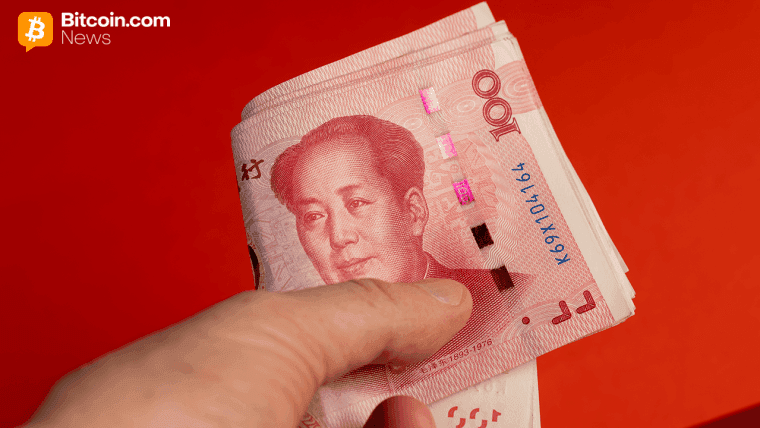
Iran’s Control of Hormuz Spurs Yuan Oil Payment Shift as Markets React
Iran’s grip on the Strait of Hormuz is tightening, and a new wrinkle has emerged: reports suggest Tehran is allowing…
Read Now

Iran’s Control of Hormuz Spurs Yuan Oil Payment Shift as Markets React
Iran’s grip on the Strait of Hormuz is tightening, and a new wrinkle has emerged: reports suggest Tehran is allowing…
Read NowIran’s Control of Hormuz Spurs Yuan Oil Payment Shift as Markets React
Read NowIran’s grip on the Strait of Hormuz is tightening, and a new wrinkle has emerged: reports suggest Tehran is allowing…
Iran, meanwhile, has denied formal negotiations while warning of wider retaliation if attacked. Gulf states and major energy importers remain cautious, closely tracking both diplomatic signals and military developments.
Markets welcomed the delay in strikes, with oil prices pulling back and equities stabilizing, though traders remain cautious as talks continue under a tight deadline.
FAQ 🔎
- Why is the Strait of Hormuz important?
It carries about 20% of global oil supply, making it one of the most critical energy routes. - What did Trump propose regarding the strait?
He suggested it could be jointly controlled by the U.S. and Iran as part of ongoing discussions. - Why were U.S. strikes delayed?
The delay allows time for negotiations aimed at easing tensions and reopening the waterway. - How have markets responded to the developments?
Oil prices pulled back and equities stabilized after the strike delay reduced immediate escalation concerns.