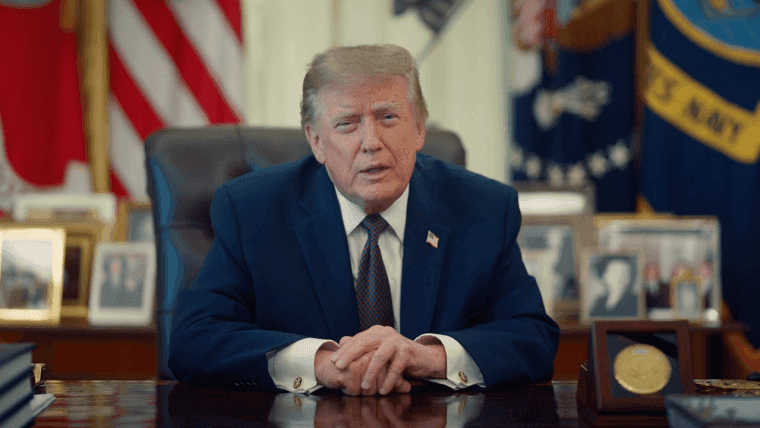



President Donald Trump urged the Senate on July 13 to pass the CLARITY Act, warning that China and other countries could seize control of cryptocurrency innovation while also challenging America’s lead in artificial intelligence.
Trump Escalates CLARITY Act Push as China Threatens US Crypto Lead
WRITTEN BY

SHARE
Key Takeaways
- Trump urged Senate action on the CLARITY Act and framed crypto regulation as an urgent geopolitical contest.
- He warned that China and other countries could overtake the United States in digital finance and artificial intelligence.
- The bill has advanced through Congress, but Senate negotiations still stand between Trump’s demand and final passage.
Trump Casts the CLARITY Act as a Fight for Global Control
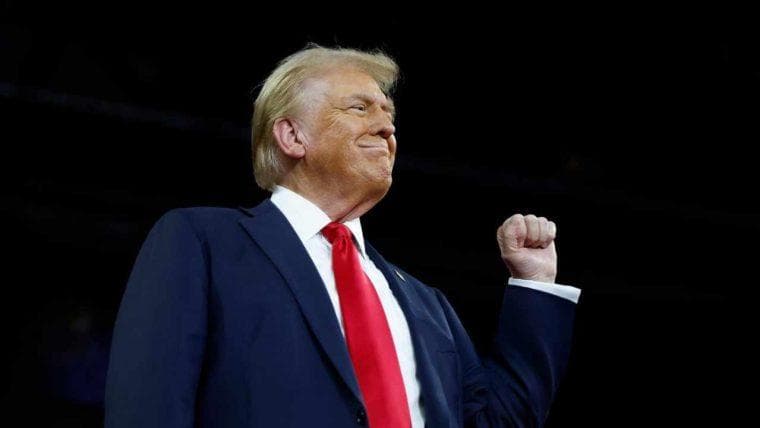
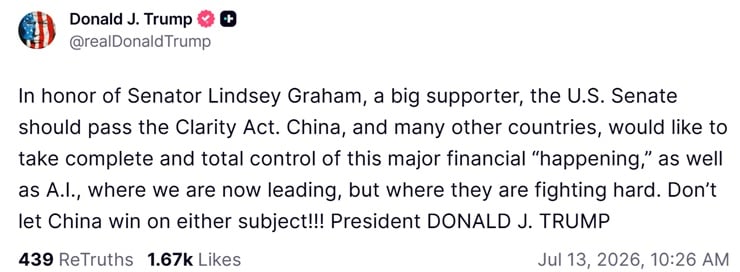
A July 13 Truth Social post by U.S. President Donald Trump transformed the CLARITY Act debate into a warning about America’s technological and financial competition with China. Trump said the Senate “should pass the Clarity Act” and argued that “China, and many other countries, would like to take complete and total control of this major financial ‘happening,'” referring to cryptocurrency. He framed the legislation as critical to preserving U.S. leadership.
The message also linked cryptocurrency with artificial intelligence (AI), saying the United States is leading while China is “fighting hard.” He ended with a blunt warning: “Don’t let China win on either subject!!!”
The Digital Asset Market Clarity Act would create a federal regulatory structure for digital assets and define oversight responsibilities for the Securities and Exchange Commission (SEC) and Commodity Futures Trading Commission (CFTC). It addresses asset classification, issuer disclosures, registration and trading platforms. The House passed its version 294-134 in 2025, including support from 78 Democrats.
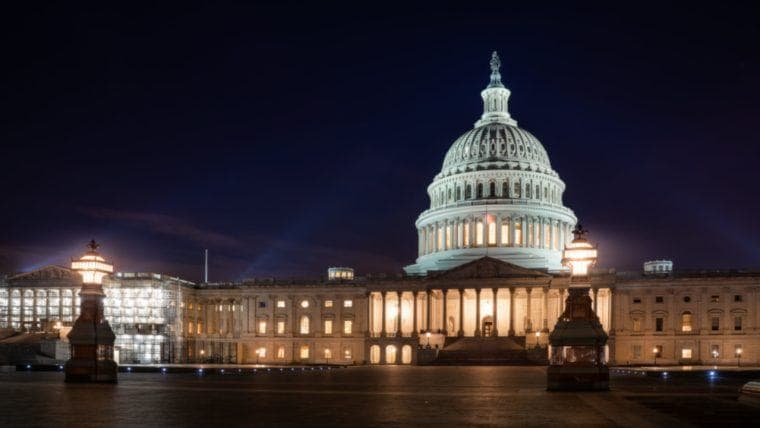
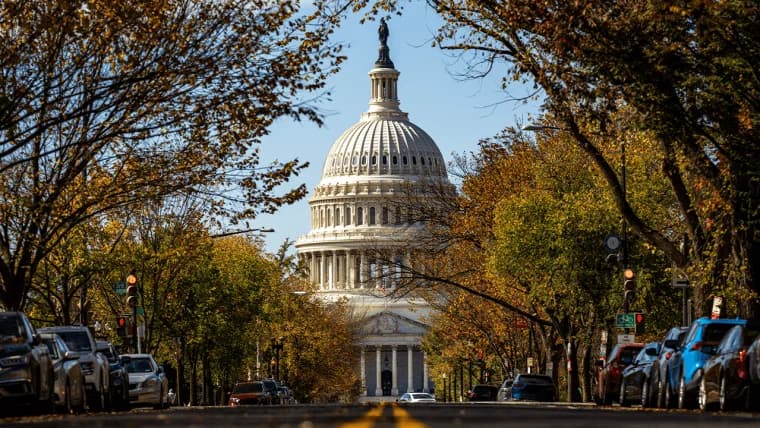
The Senate is developing its own market-structure legislation rather than adopting the House bill. The Senate Banking Committee has already advanced its version, while the Agriculture Committee separately approved legislation expanding the CFTC’s authority over digital commodity markets. Lawmakers must still reconcile those efforts before a final measure can move through the full Senate.
Why Senator Lindsey Graham Appeared at the Center of Trump’s Appeal
Trump opened the post by saying the Senate should act “In honor of Senator Lindsey Graham, a big supporter.” The U.S. senator from South Carolina died Saturday, July 11, 2026, at 71 after a sudden illness. A preliminary report from the D.C. medical examiner said he died of an aortic dissection—a tear in the main artery from the heart—linked to underlying cardiovascular disease.
Over the course of his career, Graham’s position on digital assets shifted alongside broader Republican support for the sector. Advocacy groups such as Stand With Crypto classified him as a reliable supporter of the industry, noting his votes in favor of key procedural measures and final passage of major legislation, including the GENIUS Act in 2025.
The Senate Now Faces Trump’s Warning Against Delay
The appeal also builds on earlier administration efforts to position the United States as a leader in digital assets. The administration established a presidential working group on digital asset markets and created a Strategic Bitcoin Reserve and U.S. Digital Asset Stockpile to support that objective.
The immediate question is whether Senate negotiators can merge competing committee priorities into a bill capable of passing the chamber. Regulatory jurisdiction, stablecoin provisions, ethics rules and other issues have complicated the path forward. Committee action shows momentum, but it does not guarantee that senators will deliver the legislation Trump demanded.
Whether Trump’s intervention changes the bill’s trajectory now depends on Senate leaders agreeing on final legislative text and bringing the measure to the floor for a vote.
U.S. Senator Cynthia Lummis is urging Congress to pass the CLARITY Act, warning that the digital asset market structure bill…
Read Now: CLARITY Act May Be Congress’ Last Chance for Digital Asset Law Before 2030, Senator Warns