The convicted hacker behind the 2016 billion-dollar Bitfinex bitcoin theft says his early release from federal prison was made possible by President Donald Trump’s First Step Act, reigniting debate over crypto crime, punishment, and leniency.
Trump-Era Prison Reform Frees Bitfinex Bitcoin Hacker Ahead of Schedule
WRITTEN BY

SHARE

Convicted Bitfinex Hacker Released Early From Prison, Thanks Trump Law
Ilya Lichtenstein, the admitted hacker behind the 2016 Bitfinex breach that drained nearly 120,000 bitcoin from the exchange, announced this week that he has been released early from federal prison and placed under home confinement, according to Bureau of Prisons records.
In a post on X dated Jan. 1, Lichtenstein credited his release to the First Step Act, the bipartisan prison reform law signed by U.S. President Donald Trump. The statute allows sentence reductions for inmates who complete rehabilitative programs and maintain good conduct.
“Thanks to President Trump’s First Step Act, I have been released from prison early,” Lichtenstein wrote. “I remain committed to making a positive impact in cybersecurity as soon as I can. To the supporters, thank you for everything. To the haters, I look forward to proving you wrong.”
Lichtenstein was sentenced in November 2024 to five years in prison after pleading guilty to money laundering conspiracy tied to one of the largest crypto thefts in history. He admitted to exploiting a vulnerability in Bitfinex’s multisignature withdrawal system in August 2016, executing more than 2,000 unauthorized transactions that siphoned 119,754 bitcoin.
At the time of the hack, the stolen bitcoin was worth a mere $71 million. By early 2026 prices, the haul would be valued at more than $11 billion, a reminder of how time can quietly turn old cybercrime into eye-watering sums.
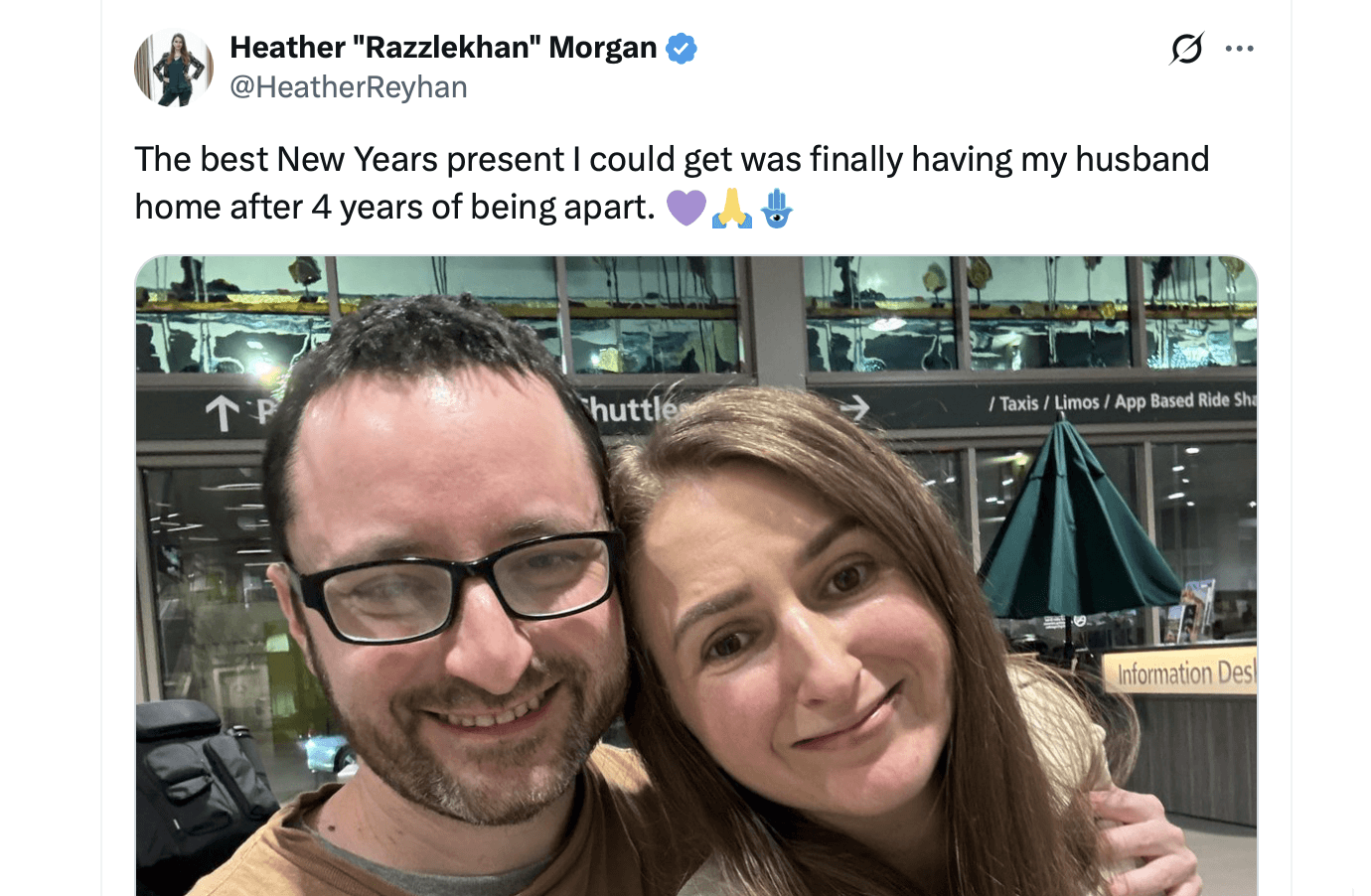
Federal authorities arrested Lichtenstein and his wife, Heather Morgan, in February 2022, seizing approximately 94,000 bitcoin in what the Department of Justice described as the largest financial seizure in U.S. history. Prosecutors detailed an elaborate laundering scheme involving shell accounts, darknet marketplaces, mixers, chain hopping, and even retail gift cards. Netflix featured a documentary on the couple.
Also read: Ledger Responds to Global-e Breach Impacting Customer Order Records
Morgan, who cultivated a public persona as a rapper under the name “Razzlekhan,” was released earlier than expected in October 2025 under the same law. Both releases have fueled anger in segments of the crypto community that see the shortened sentences as light treatment for a crime that shook early digital-asset markets.
Bitfinex halted trading immediately after the breach and later compensated users through a debt-token system that was eventually 100% redeemed, but the hack left a lasting mark on exchange security practices and regulatory scrutiny.
Public reaction to Lichtenstein’s release has been sharply divided. Supporters framed it as a case study in rehabilitation, while critics argued it sends the wrong message at a time when crypto-related enforcement remains a global priority.
Now under home confinement until his scheduled Feb. 9 release date, Lichtenstein says he plans to pivot toward legitimate cybersecurity work—though his supervised release terms may limit how quickly that reinvention can begin.
FAQ ❓
- Who is Ilya Lichtenstein?
Lichtenstein is the admitted hacker behind the 2016 Bitfinex bitcoin theft and a former cybersecurity professional. - Why was he released early?
He qualified for early release under the First Step Act after earning credits for good conduct and rehabilitation. - How large was the Bitfinex hack?
The hack involved 119,754 bitcoin, making it one of the largest crypto thefts ever recorded. - Is Lichtenstein fully free now?
No, he is currently under home confinement until his official release date in February.