While reports indicate that Canada and Mexico may be spared the tariffs instituted by the Trump administration, China was not included in those analyses. China was hit with a 10% tariff on imports beginning this week, which applies to all goods imported from China.
Trump Barks, China Bites Back—Imposing Tariffs, Anti-Dumping Probes, and Export Limits

This article was published more than a year ago. Some information may no longer be current.
WRITTEN BY

SHARE
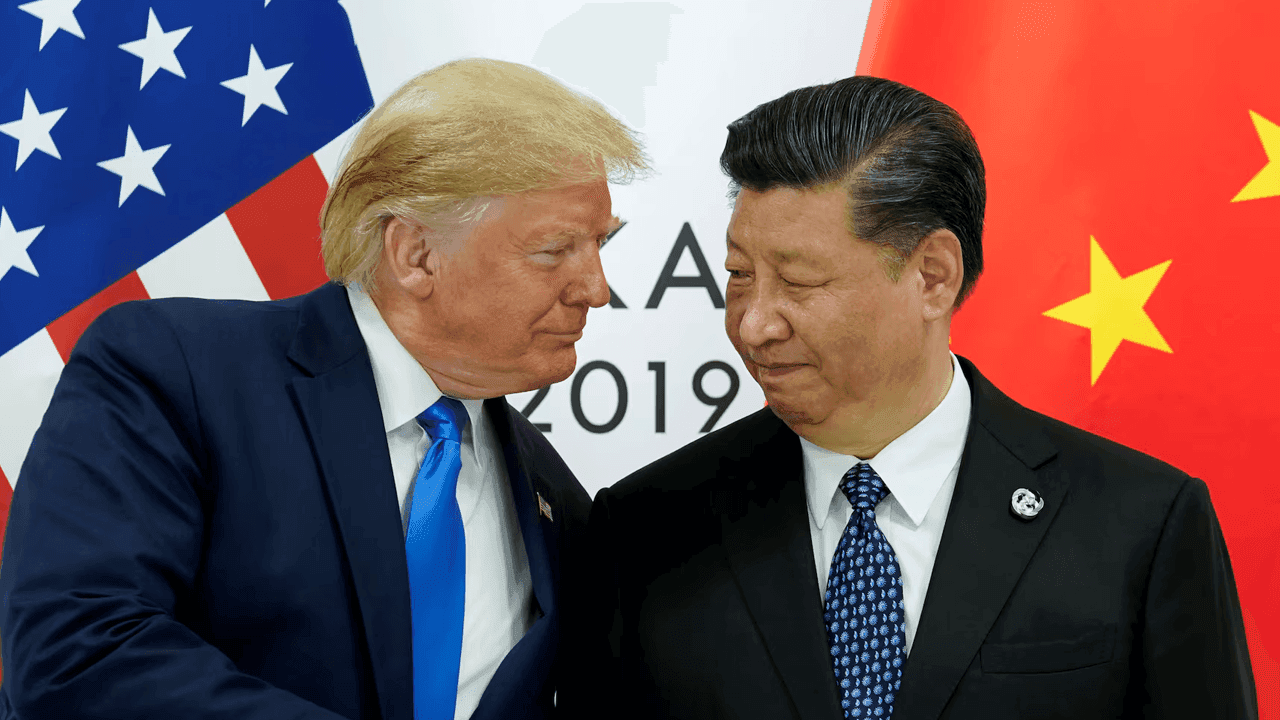
Trump’s Trade Strategy Meets China’s Defiant Response
Markets improved on Monday afternoon after U.S. President Trump spoke with the leaders of Canada and Mexico. Both Justin Trudeau and Claudia Sheinbaum explained that they would work with Trump’s requests for border patrol and the war against fentanyl. Trump, however, did not have a special phone call with China’s leader Xi Jinping, and while Canada’s and Mexico’s 25% tariffs have been postponed for now, China’s 10% tariff on imported goods remained intact.
China’s tariff applies universally to goods imported from China, with no exemption for shipments valued under $800. While Americans expressed concern over tariffs on imports from Canada and Mexico, the nation continues to receive a significantly higher volume of imports from China. China is among the largest suppliers to the United States, accounting for approximately 17% of the country’s total imports. With no deal reached between China and the U.S., China retaliated.
In response, China declared retaliatory tariffs ranging from 10% to 15% on U.S. imports, including coal, liquefied natural gas, crude oil, agricultural machinery, and large vehicles. These counter-tariffs will take effect on Feb. 10, 2025. Additionally, China has launched an antitrust investigation into Google and imposed export restrictions on certain rare metals. China has also initiated anti-dumping probes into imports of key U.S. products, such as engineering chemicals used in electronics and automotive manufacturing.
Even before Trump’s tariffs and threats, China had steadily reduced its reliance on American goods and services. China has curtailed its purchases of U.S. agricultural products, further affecting American farmers who depend on Chinese demand. Beijing has been selling off U.S. Treasury bonds as part of its broader strategy to lessen its financial dependence on the United States. China has also threatened to limit market access for major U.S. companies like Apple and Tesla, signaling its willingness to disrupt the operations of American firms in its domestic market.
The evolving trade measures under Trump and Xi hint at a future where economic strategies are increasingly shaped by national interests and strategic recalibrations. Both nations appear determined to assert their influence while navigating intricate global market dependencies. It is entirely plausible that Trump foresaw Canada and Mexico conceding, yet he also understood that Xi and China would neither now nor ever bow down.