The ongoing U.S.-China trade war has sparked fears that Beijing might escalate its retaliation by dumping $700 billion in U.S. Treasury bonds. While this could pressure the U.S. to scrap tariffs, a Pakistani government official warns it’s a double-edged sword that could harm China’s reserves, financial system, and global leverage.
Trade War: China’s 'Nuclear Option' Is a Double-Edged Sword, Pakistani Official Warns
WRITTEN BY

SHARE
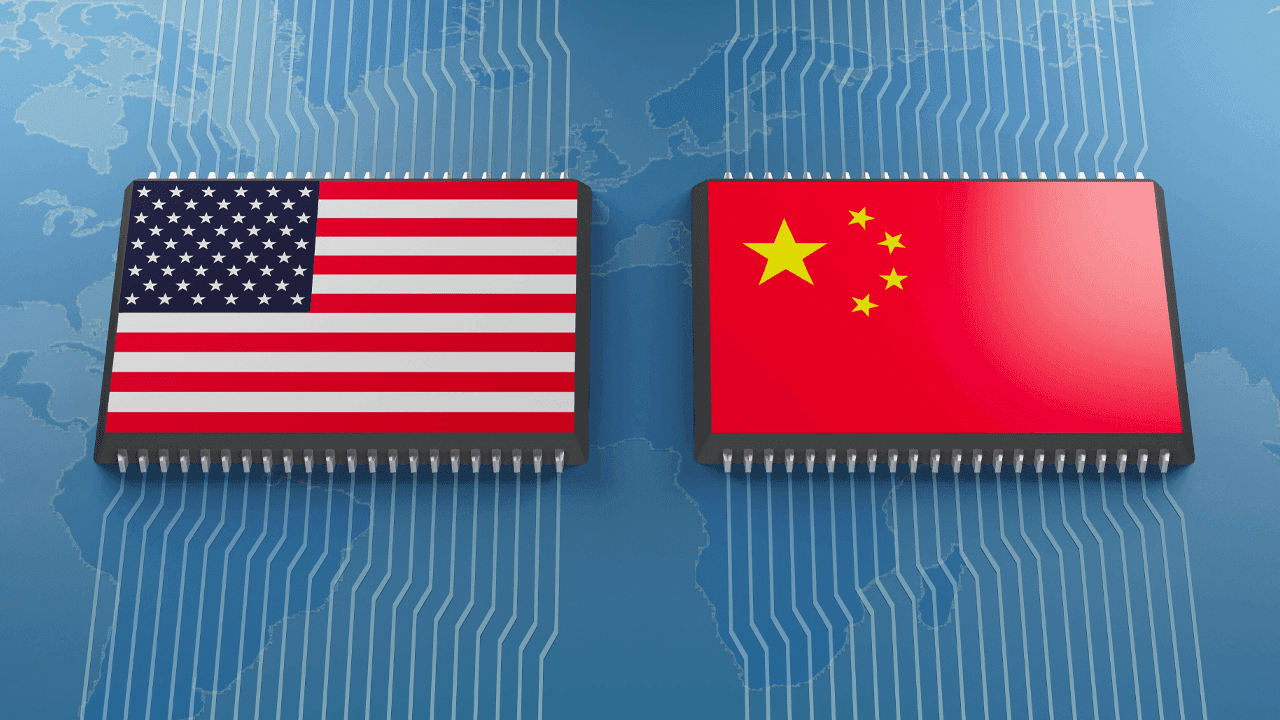
Dumping U.S. Debt a Double-Edged Sword
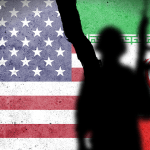
With the U.S. and China trade war showing no signs of letting up, fears are growing that Beijing, which so far has restricted its retaliation to American-made products, might resort to dumping U.S. Treasury bonds. Some observers argue this step, along with existing measures such as blocking the export of rare minerals to the U.S., could force the U.S. to scrap its tariffs on Chinese goods.
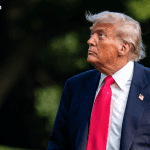
While many opponents of U.S. President Donald Trump’s tariff policy agree with this assessment, Majid Soofi, the director general in the Pakistan Finance Ministry, warns this step could hurt China as well.
“China knows the risks. Dumping Treasuries hurts them too. Their reserves would take a hit, their own financial system would wobble, and their global leverage would evaporate. So while the threat is real, it’s a double-edged sword. This is financial chess, not checkers. And in this game, both players are dangerously close to tipping the board,” Soofi wrote on Linkedin.
As many U.S. media outlets suggested shortly after Trump announced a pause to his reciprocal tariff policy, the brief rise in 10- and 30-year U.S. bonds prompted the Trump adminstration’s surprise move. Some reports suggested Japan, the single largest holder of U.S. debt, had offloaded some of its U.S. Treasury holdings after the so-called Black Monday.
This dumping of U.S. Treasuries and the reported low demand for them sparked fears that Trump’s trade war is undermining confidence in the U.S. and its financial system. While the tariff pause helped ease these concerns, some observers worry that the U.S. decision to hike tariffs on Chinese goods to an effective 145% could encourage Beijing to begin dumping U.S. Treasuries as well.
In a post explaining the ramifications of Beijing’s move to mirror what Japan did, Soofi characterized China’s possible dumping of its $700 billion in U.S. Treasuries, coupled with the devaluation of the yuan, as a “full-blown economic warhead.” He warned that such a weapon would ultimately force the U.S. Federal Reserve to take action.
“As someone who closely follows global capital markets and sovereign debt dynamics, I can tell you: the shockwaves would be immediate. Yields on U.S. debt would spike, refinancing costs would soar, and the Federal Reserve would be forced into emergency action,” Soofi said.
Although the sharp devaluation of the yuan could turbocharge China’s exports, it inevitably would lead to capital flight and a regional currency war. Still, for China, which bore the brunt of Trump’s tariff policy in his first term, taking this gamble might be the best option as it could worsen the United States’ trade deficit and reignite inflation concerns. While the panic in markets could result in the dollar seeing safe-haven flows, Soofi said it might “eventually face credibility issues if fiscal stability starts crumbling. It’s not just a market correction—it’s an earthquake.”
Yet as Soofi postulated in the post, China may decide against proceeding with this so-called nuclear option because it could cripple its own economy.