In a world where state-backed currencies fund wars, inflate economies and deplete savings, digital alternatives like bitcoin offer a compelling ethical choice. By removing money from government control, bitcoin presents a route toward a freer and more just society.
The Moral Case for Bitcoin: Decentralized Currency as a Path to Freedom

This article was published more than a year ago. Some information may no longer be current.
WRITTEN BY

SHARE

The Flaws of Fiat Currencies
Government-issued fiat money, which lacks intrinsic value, is often manipulated through policies, politics, and central banks. Historically, governments have used their control over currency to fund conflicts, sustain corrupt regimes, and misallocate resources, leading to economic instability and human hardship. In a recent opinion editorial, Corbin Frazer, CEO of Bitcoin.com, succinctly explained how democracy falters without the presence of cryptocurrency. He emphasized that digital currencies bring a fresh layer of accountability and transparency, which holds the promise of rejuvenating trust in public institutions.
Renowned economist Murray Rothbard notes in “What Has Government Done to Our Money?” that central banks enable continuous inflation, a hidden tax that hits the poorest the hardest. Moreover, fiat systems empower governments to borrow excessively and fund projects that would be impossible without printing more money. This financing—from wars to ballooning bureaucracies—lets governments operate beyond real resources and taxpayers’ consent. Rothbard, in “Man, Economy, and State,” describes how state intervention distorts markets and infringes on individual rights, causing widespread harm.
Decentralized Currency: A Fresh Start for Freedom
Bitcoin and other decentralized digital currencies aim to fix the ethical issues in fiat systems. Bitcoin, at its heart, operates as a peer-to-peer network without the need for central authorities or trusted third parties. This reduces manipulation risks and fosters greater transparency. Its decentralized structure resists state overreach and aligns with the principle of non-aggression, a key idea in the philosophy of “Universally Preferable Behavior” (UPB) put forward by the philosopher and freedom advocate Stefan Molyneux.
According to UPB, initiating force against others is immoral. Fiat currencies often involve coercive elements like taxation and inflation, which affect people without their consent. The comparison between the separation of church and state and the separation of money and state is spot-on. During the Enlightenment, separating church from government brought unprecedented freedom and intellectual growth. Similarly, bitcoin’s separation from the state can unleash financial autonomy, drive technological growth, and instill ethical accountability.
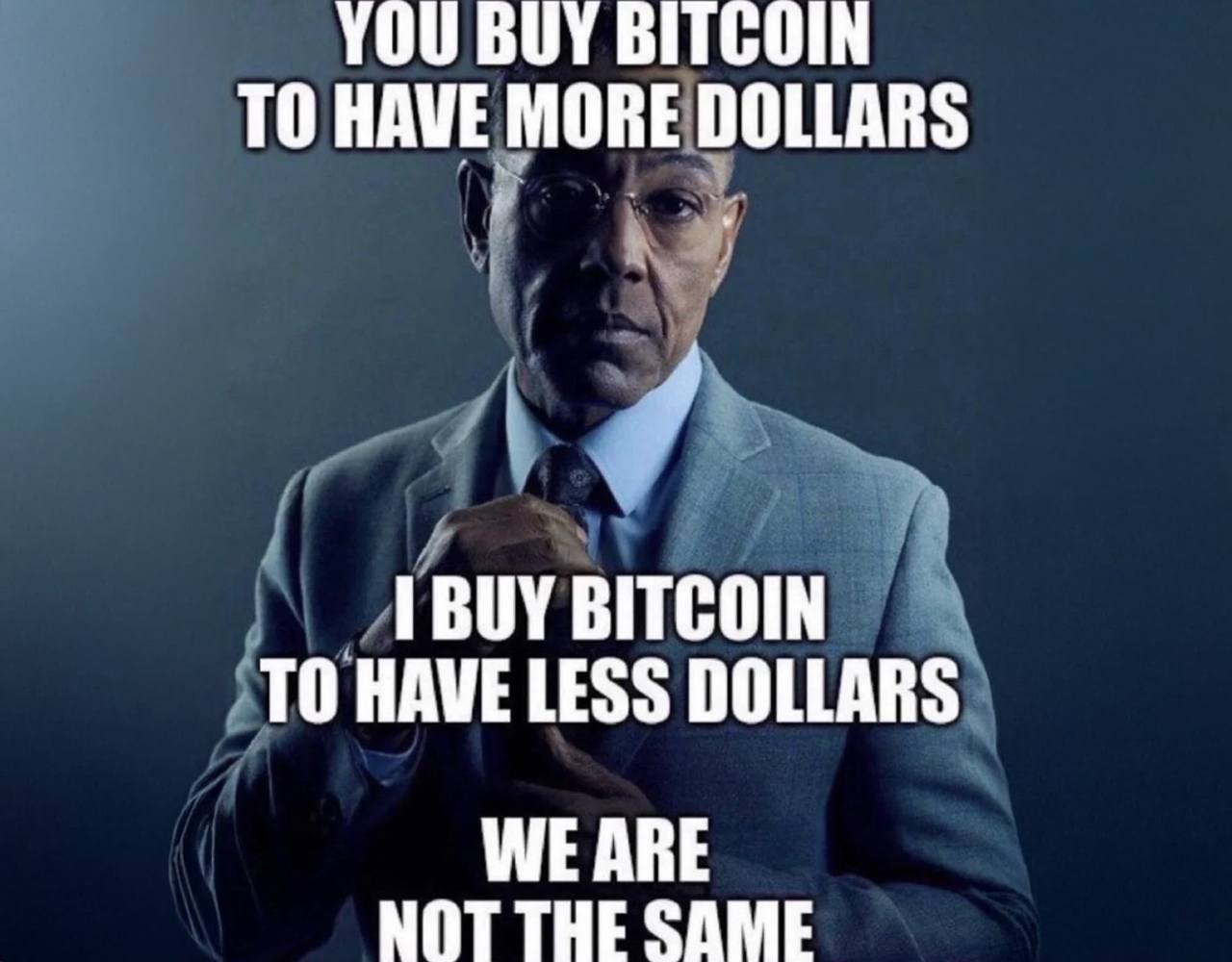
Bitcoin’s decentralized framework encourages innovation by lowering barriers and increasing competition. Without central regulators, entrepreneurs are free to experiment, leading to a more dynamic and resilient economy. State-controlled systems often stifle innovation with policies favoring established institutions and vested interests. Moreover, bitcoin’s fixed supply of 21 million units contrasts sharply with the endless printing of fiat money. This scarcity promotes saving and investment, reinforcing the principle of non-aggression by preventing inflation-driven wealth erosion.
The Moral Argument for Decentralized Currencies
At its core, the case for decentralized digital currencies like bitcoin hinges on rejecting coercive state power and embracing voluntary, free-market values. Bitcoin and similar digital assets enable financial freedom by liberating money from government control, allowing individuals to engage in consensual exchanges. The historical success of separating church and state suggests that separating money from the state could pave the way for a freer, more prosperous society.
What are your thoughts on this subject? Let us know what you think in the comments section below.