The Thai Securities and Exchange Commission (SEC) has launched a Digital Asset Regulatory Sandbox, allowing crypto services to be tested in a controlled environment. This initiative aims to promote innovation in Thailand’s capital market by accommodating six specific digital asset-related services, including exchanges and custodial wallet providers.
Thai SEC Launches Digital Asset Regulatory Sandbox

This article was published more than a year ago. Some information may no longer be current.
WRITTEN BY

SHARE
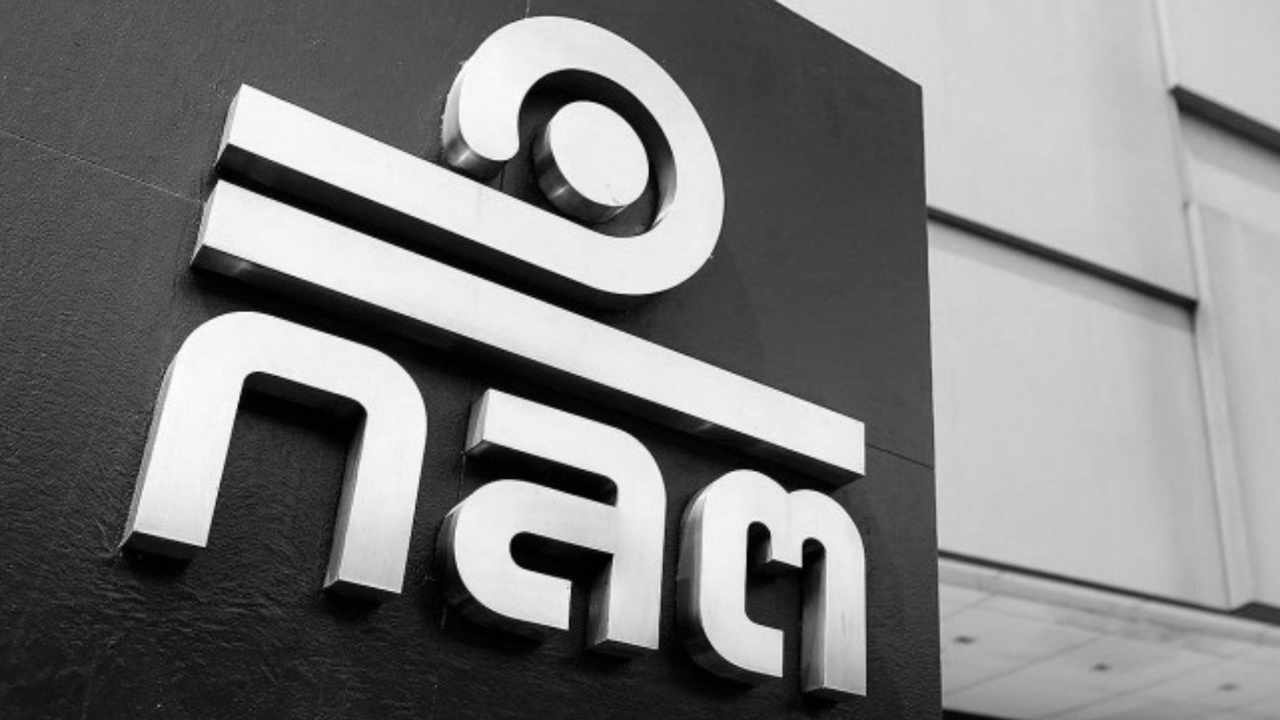
Thai SEC Launches Digital Asset Regulatory Sandbox
The Thai Securities and Exchange Commission (SEC) officially launched its Digital Asset Regulatory Sandbox on Aug. 9 in Bangkok. The initiative is designed to facilitate the testing and development of digital asset services within a controlled environment. The Thai SEC is now accepting applications from interested participants. The Thai SEC announced:
Interested parties are welcome to participate in the sandbox to test their digital assets-related services, promoting innovative development in the capital market under a framework of flexible regulation.
In March, the SEC Board approved the creation of the Digital Asset Regulatory Sandbox. In May, they held a public hearing to gather feedback, with most respondents supporting the principles and proposed regulatory changes.
The SEC has issued regulations outlining the criteria for eligible services, participant qualifications, and the scope of sandbox experiments. The six eligible digital asset-related services are digital asset exchanges, digital asset brokers, digital asset dealers, digital asset fund managers, digital asset advisors, and digital asset custodial wallet providers.
The Thai regulator will assess participants’ qualifications based on factors such as capital adequacy, work systems, management structure, and operational conditions to ensure they are well-prepared to operate within the sandbox framework. Participants must also define the specific scope of their services to minimize risks and potential impacts during the sandbox period, which is limited to one year from the approval date. However, they may request an extension for further service testing after this period.
Moreover, the Thai SEC detailed:
The sandbox participants must incorporate their innovations into the development of digital asset services in the Thai capital market or must participate in a sandbox of the money market regulatory agency.
What do you think about the SEC’s new Digital Asset Regulatory Sandbox initiative in Thailand? Let us know in the comments section below.