According to a recent survey, half of Canadian institutional investors and financial services organizations have actively offered at least one type of cryptocurrency asset product or service to clients in the past year. The study revealed that half of the institutional investors surveyed were exposed to crypto through exchange-traded funds (ETFs), closed-end trusts, or other regulated products.
Study: Half of Canadian Institutional Investors Actively Offered One Crypto Asset Product in 2023

This article was published more than a year ago. Some information may no longer be current.
WRITTEN BY

SHARE
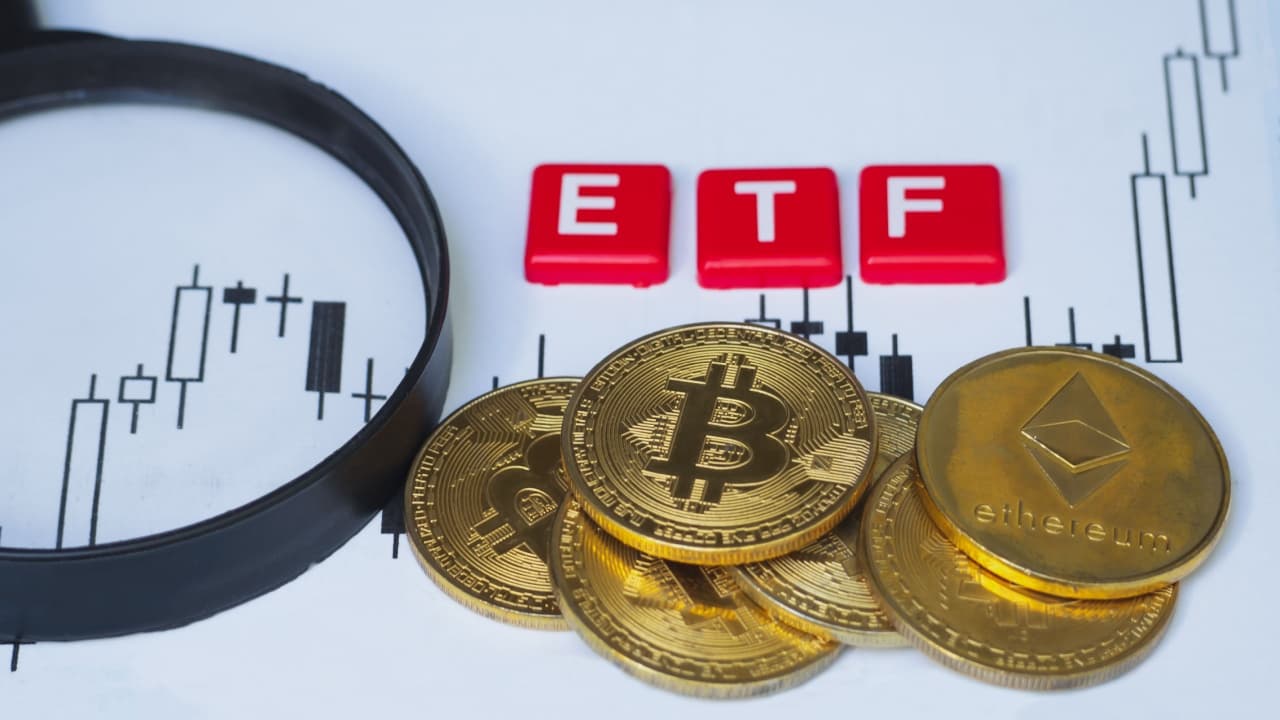
More Canadian Institutional Investors Sought Exposure to Crypto in 2023
In 2023, about half of Canadian institutional investors and financial services organizations actively offered at least one type of crypto asset product or service to clients, according to the findings of a new survey study. This figure is nine percentage points higher than what was observed in 2021.
The biannual survey, commissioned by KPMG Canada and the Canadian Association of Alternative Assets and Strategies (CAASA), found that nearly four in 10 (39%) institutional investors had direct or indirect exposure to crypto assets. In contrast, just over three in 10 reported the same in 2021.
Half of the surveyed institutional investors had exposure through exchange-traded funds (ETFs), closed-end trusts or other regulated products. The survey also found that 58% of investors were exposed to crypto-related public equities. In 2021, only 36% had the same exposure. Meanwhile, the findings suggest that only a quarter of the surveyed institutional investors invested as a limited partner in a venture capital or hedge fund, compared with the 29% that did in 2021.
Rising Inflation Fuels 2023 Crypto Rally
Commenting on the latest survey findings, Kunal Bhasin, partner and co-leader of KPMG in Canada’s Digital Assets practice, said the events in 2022, which culminated with the collapse of FTX, had a “cleansing effect” on the industry. However, according to Bhasin, the inflationary pressures that characterized much of 2023 were pivotal in convincing investors to return to crypto.
“Rising U.S. debt combined with increasing inflation likely provided a catalyst for the crypto rally of 2023, and it appears investors are looking for alternative asset classes that act as a debasement hedge and a reliable store of value. Our survey findings suggest crypto assets are increasingly seen as an investible alternative asset class among such institutional investors and financial services organizations in Canada,” Bhasin said.
Kareem Sadek, also a co-leader of the accounting firm’s Digital Assets Practice, said Canada’s approval of the first bitcoin and ethereum ETFs, as well as the greenlighting of sophisticated strategies involving derivatives and Ethereum staking, were crucial in courting institutional investors.
Meanwhile, the survey study found that a third of the surveyed institutional investors had allocated 10% or more of their portfolios to crypto assets. In 2021, only 5% was allocated to the same. Two-thirds of surveyed investors said a “maturing market and custody infrastructure” were some of the primary reasons why they invested in crypto for the first time. Only 14% gave the same reasons in 2021.
What are your thoughts on this story? Let us know what you think in the comments section below.