


Paolo Ardoino, CEO of top stablecoin issuer Tether, said USDT’s dollar-proxy function has scaled globally, giving developing countries access to foreign currency for domestic and cross-border commerce. Ardoino stressed that the company’s mission was more important than ever.
Tether CEO Says USDT Drives Trade Across Emerging Markets
WRITTEN BY

SHARE
Key Takeaways
- Developing economies increasingly rely on USDT for commerce and hedging against failing local currencies.
- Reports indicate Venezuela used stablecoins for oil exports, while Bolivia evaluates legal integration.
- This widespread adoption has propelled Tether’s market capitalization past the $180 billion mark.
Tether Highlights Developing Countries’ Heavy Reliance on USDT
Stablecoins have become a key part of the economic fabric of emerging markets, and USDT, the largest stablecoin by market capitalization, plays a significant role in this shift.
Paolo Ardoino, CEO of Tether, highlighted that Tether had been growing to become an effective support for emerging economies at a global scale.
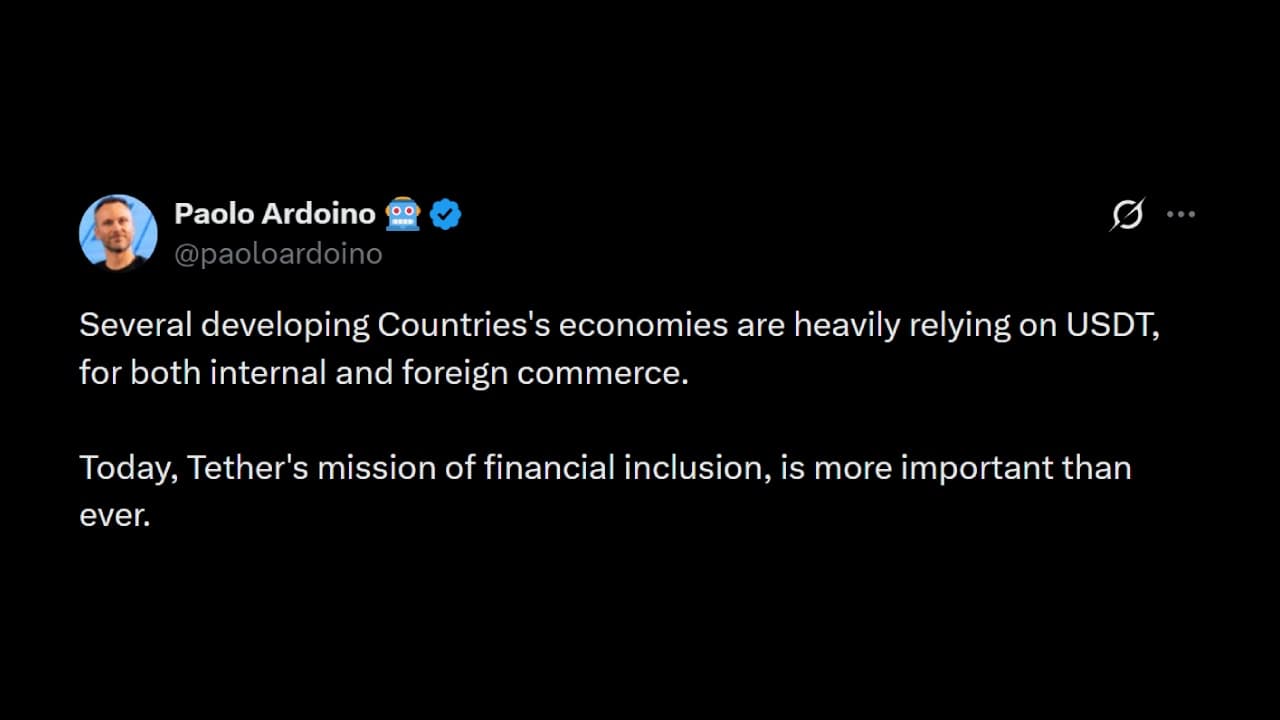
“Several developing Countries’s economies are heavily relying on USDT, for both internal and foreign commerce,” Ardoino stressed on social media.
Ardoino’s remarks coincide with reports coming from Africa and Latam, where countries are increasingly adopting USDT for both internal retail transactions and also as a store of value due to failing fiat currencies.
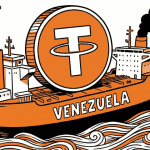
But USDT’s utilization goes way beyond these use cases, and sometimes it scales to international trade too, as Ardoino revealed. For example, in 2025, before Maduro’s forceful removal, Venezuelan economist Asdrubal Oliveros pointed out that almost 80% of all oil revenue was paid in stablecoins.
Even this year, according to Ecoanalitica’s Alejandro Grisanti, P2P stablecoin-based national markets traded volumes representing 75% of the national monthly oil exports. TRM Las also determined that 90.2% of all listings in Binance’s P2P order book, Venezuela’s most popular P2P exchange, included USDT.
Stablecoins in Argentina have remained relevant even after the end of the so-called currency controls, as some prefer their immediate liquidity and possibilities to physical dollars. Stablecoins can also fulfill their function as a hedge against local currency devaluation.
After a multi-year crypto ban, Bolivia is now evaluating the inclusion of USDT in its financial system, with Jose Gabriel Espinoza, Bolivia’s Minister of Economy and Public Finance, stressing that these assets should be regulated to avoid criminals leveraging them for money laundering or illicit purposes.
Tether’s focus on these economies where access to dollars is difficult and local currencies are weak seems to have paid off, pushing USDT to reach over $180 billion in market capitalization.
“Today, Tether’s mission of financial inclusion, is more important than ever,” Ardoino concluded.
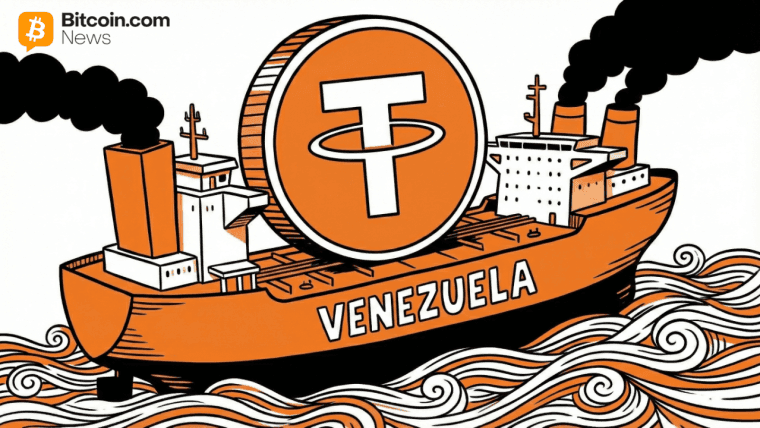
Asdrubal Oliveros, a local economist, claims that nearly 80% of all the crude sold by Venezuela is being paid for…
Read Now: Amidst Sanctions and Tanker Seizures, 80% of the Venezuelan Oil Sales Revenue Is Collected Using USDT