


U.S. Senator Elizabeth Warren urged the SEC to delay SpaceX’s IPO, warning that a potential $2 trillion valuation could expose retirement savers and public investors to serious risks.
SpaceX IPO Faces New Threat as Senator Calls for SEC Delay
WRITTEN BY

SHARE

Key Takeaways
- U.S. Senator Warren’s SEC delay request puts SpaceX’s June 12 IPO under immediate regulatory pressure.
- The planned offering could value SpaceX at $2 trillion and raise $75 billion.
- Retirement savers may face exposure if major index funds add SpaceX after listing.
SEC Delay Request Puts SpaceX’s June 12 IPO Under New Pressure
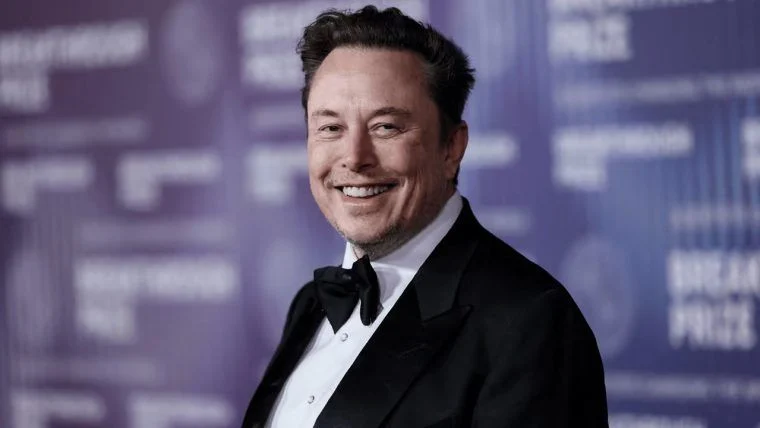
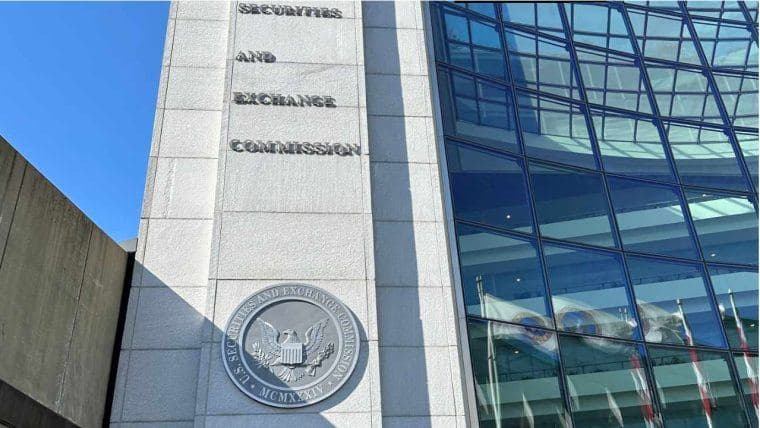
With SpaceX’s IPO expected on June 12, U.S. Senator Elizabeth Warren (D-MA) on June 10 announced that she had urged the Securities and Exchange Commission (SEC) to delay the planned listing. In a letter to SEC Chair Paul Atkins, the Massachusetts senator warned that the offering could expose ordinary investors and retirement savers to significant risks while carrying substantial benefits for SpaceX insiders.
The lawmaker’s warning focuses on a planned IPO that could value SpaceX at up to $2 trillion and raise as much as $75 billion. She argues that the deal’s scale, valuation, governance structure, and index-fund implications require deeper SEC review before public investors gain exposure.
Warren wrote:
“This IPO appears to present significant risks to ordinary investors and their retirement savings – while carrying enormous advantages for SpaceX insiders.”
Musk Control and Valuation Questions Drive Warren’s Case
Valuation concerns sit at the center of the senator’s request. Her letter cited analysts who described SpaceX’s target valuation as “nonsensical,” “smoke-and-mirrors accounting,” and “truly out of this world,” especially against reported annual revenue of $19 billion.
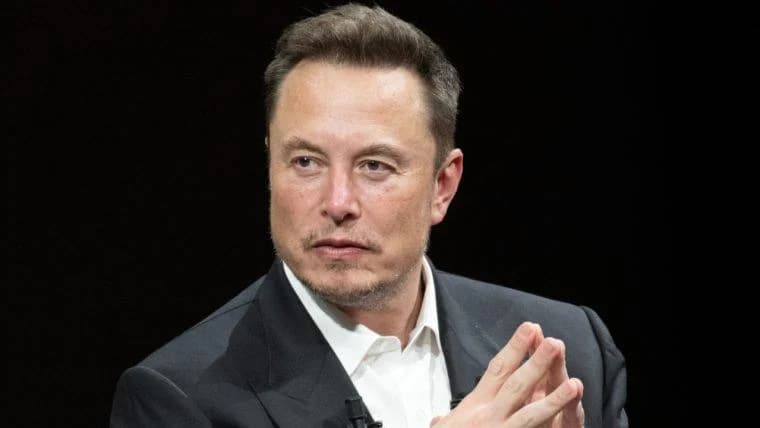
Governance concerns add another layer of risk for future shareholders. The letter argues that Elon Musk’s voting control, dual-class shares, mandatory arbitration, and limits on shareholder proposals could leave public investors with unusually weak rights after SpaceX goes public.
Warren stressed:
“Before the company is allowed to go public, the SEC must investigate whether index funds and other financial entities involved in SpaceX’s IPO are adequately protecting investors.”
The company also “must fill disclosure gaps related to valuation, ensure risks and details related to its concentrated governance structure are clear to investors, and abandon mandatory arbitration to provide shareholders whose rights are otherwise gutted in this structure a minimum avenue for recourse,” she wrote.
Strong IPO Demand Collides With a New Regulatory Hurdle
Demand for the offering remains intense despite the political scrutiny. Reuters reported on June 9 that SpaceX had drawn more than $250 billion in investor demand, running three-and-a-half to four times above the planned $75 billion raise, though final allocations will be set at pricing.
Warren’s request creates a new regulatory hurdle for SpaceX’s blockbuster listing, but the SEC would need to identify disclosure, accounting, or legal deficiencies—not simply an aggressive valuation—to justify delaying the offering. The agency reviews whether investors receive adequate information and whether securities laws are followed.
Passive investors could face exposure if major indexes add SpaceX quickly after listing. The senator requested SEC answers by June 23 on valuation, governance, passive-investor safeguards, arbitration, and potential “gun-jumping” concerns tied to reports about leaked confidential filing information.

SpaceX is set to price its $75 billion IPO at $135 per share on June 11, with shares debuting on…
Read Now: SpaceX IPO Hits Nasdaq June 12 at $135 — Retail Investors Face Long Odds on Allocation