Singapore’s push toward resilient tokenized finance accelerates as MAS locks in stablecoin standards and launches broad settlement trials, signaling rising institutional momentum and advancing frameworks designed to scale cross-border activity and strengthen digital-asset market reliability.
Singapore Finalizes Stablecoin Framework With Tokenized-Bill Trials Driving Next-Wave Flows
WRITTEN BY

SHARE
MAS Recognizes Urgency, Seals Stablecoin Features With Trials Testing Settlement
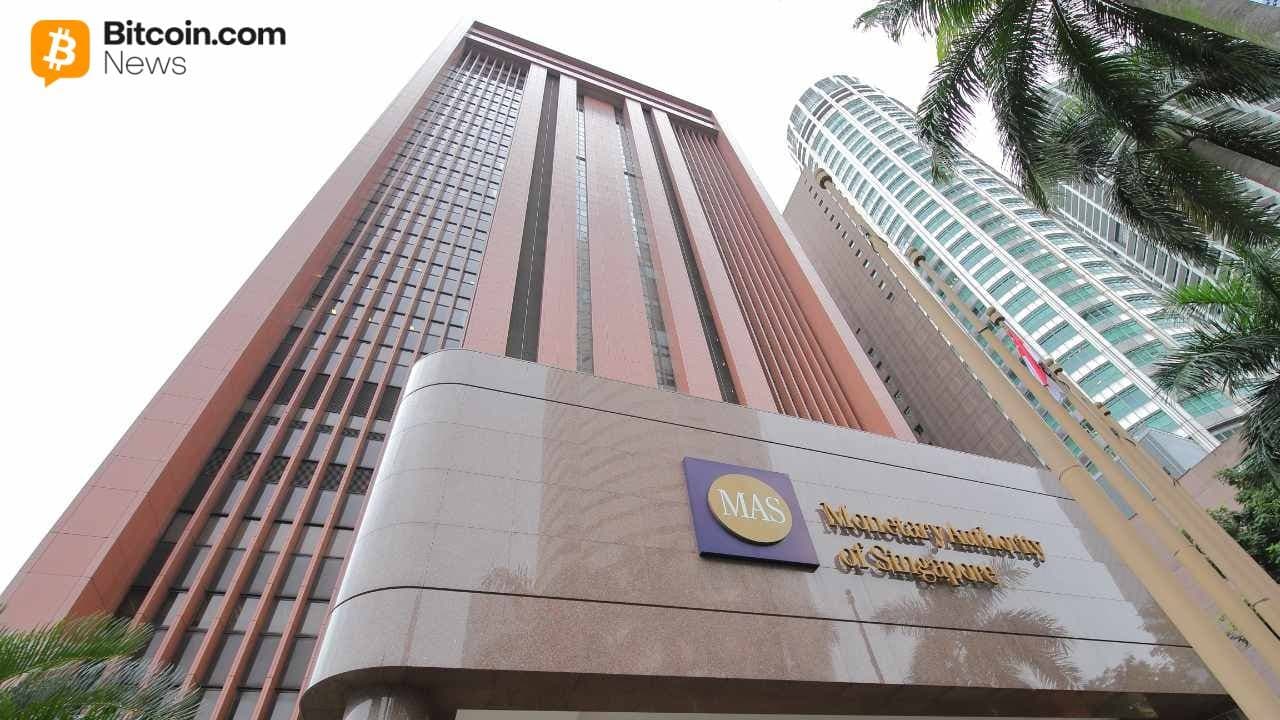
Rising demand for resilient digital-asset infrastructure is accelerating a global shift toward tokenized finance, creating urgency for standards that can support cross-border scale and credible settlement. Monetary Authority of Singapore (MAS) Managing Director Chia Der Jiun shared on Nov. 13, 2025 at the Singapore Fintech Festival 2025 that stablecoins and interoperable tokenization frameworks are central to this next phase.
“Now, regulated stablecoins, while nascent, offer the prospect of value stability. Sound and robust regulation of stablecoins will be critical to underpin their stability,” he said. “We have seen national regulations taking shape rapidly. This is an important start. But things can take a wrong turn if there is a proliferation of poorly regulated stablecoins, undermining confidence in others.” The central bank’s managing director continued:
MAS recognizes this, and has finalized the features of our stablecoin regulatory regime and will be preparing draft legislation. Under our regime, we have given importance to sound reserve backing and redemption reliability.
Chia also outlined future supervisory considerations: “Over time, if some regulated stablecoins become systemic, regulatory frameworks will need to be strengthened further, cross-border regulatory cooperation enhanced, and access to central bank facilities considered.” These developments form part of Singapore’s push to ensure settlement assets supporting tokenized markets are robust, scalable, and aligned across jurisdictions.
Read more: Singapore Clarifies Crypto Licensing Rules With Offshore-Only Activities Under Fire
Further expanding on settlement models, he said MAS is working with industry partners to examine all three settlement assets. He noted that MAS launched the BLOOM initiative to facilitate industry experimentation with tokenized bank liabilities and regulated stablecoins for settlement and invited FIs and clearing and settlement network operators to run trials under the initiative.
Chia also cited operational progress in wholesale CBDC workstreams, stating that the three Singapore banks — DBS, OCBC, and UOB — have completed interbank overnight lending transactions using the first live trial issuance of Singapore dollar wholesale CBDC for settlement. The central banker concluded:
As the next bound, MAS will trial the issuance of tokenized MAS Bills to Primary Dealers and settled with CBDC. We will release more details on this next year.
He stressed that global coordination, interoperable networks, and institutional-grade standards will determine how quickly tokenized finance reaches meaningful scale.
FAQ ⏰
- Why does tokenized finance matter for institutional investors?
It introduces operational efficiency, enhances settlement certainty, and positions markets for scalable cross-border expansion. - What is driving urgency around stablecoin regulation?
Regulatory clarity reduces systemic risk and supports reliable settlement assets for emerging tokenized ecosystems. - How do wholesale CBDC trials impact future financial-market infrastructure?
Successful trials demonstrate feasibility for real-time, programmable settlement in institutional environments. - Why is interoperability central to global tokenization?
Interoperable networks enable consistent standards across jurisdictions, supporting adoption and liquidity growth.