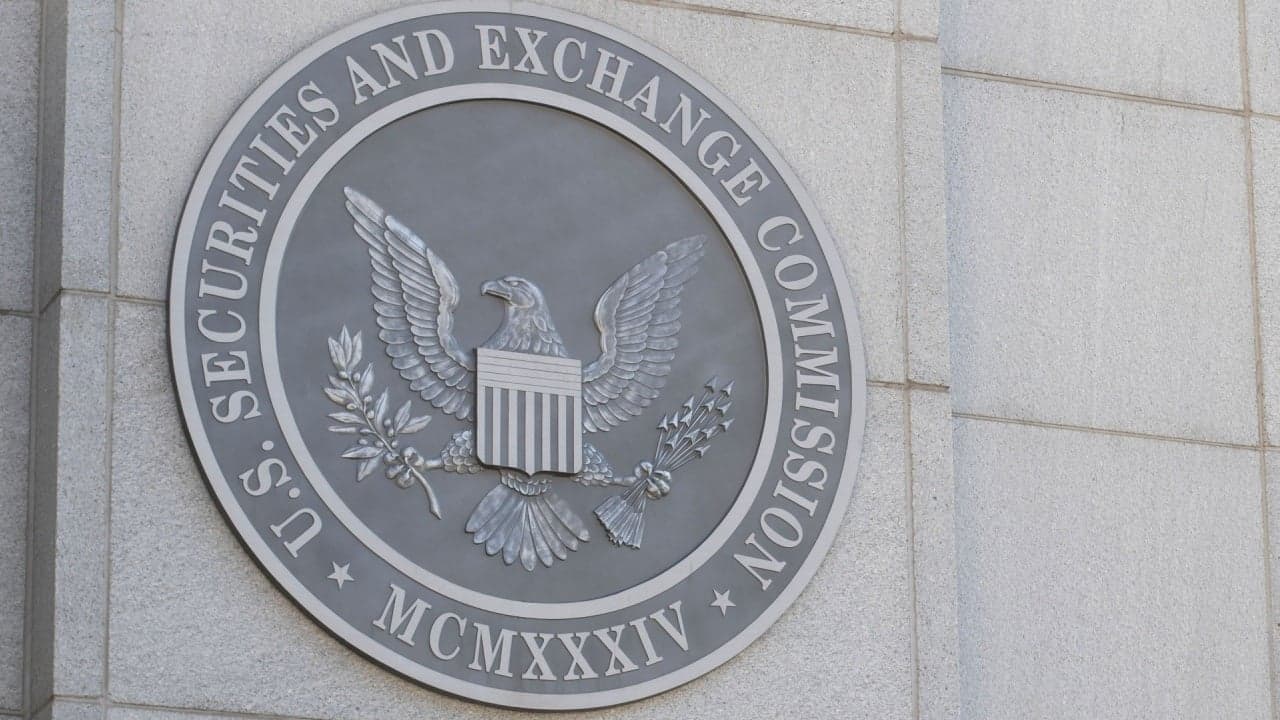
The SEC has charged Nova Labs with fraud, alleging it misled investors about corporate partnerships and conducted unregistered crypto asset offerings, violating federal securities laws.
SEC Crypto Crackdown Continues: Nova Labs Faces Allegations of Investor Deception

This article was published more than a year ago. Some information may no longer be current.
WRITTEN BY

SHARE
SEC Accuses Nova Labs of Crypto Fraud in Gensler’s Final Act
The U.S. Securities and Exchange Commission (SEC) has charged Nova Labs Inc. with fraud and securities violations linked to its crypto-related operations. Filed on Jan. 17 in the U.S. District Court for the Southern District of New York, the case alleges that Nova Labs conducted unregistered offerings of crypto assets and misled investors. The SEC’s complaint focuses on the company’s activities since April 2019.
According to the SEC, Nova Labs offered “Hotspots” that mined its crypto assets and promoted “Discovery Mapping,” allowing users to trade private data for digital tokens. These offerings were allegedly securities, the regulator said, noting that Nova Labs did not register them as required by law.
The company also allegedly provided false and misleading information to investors, claiming that major corporations such as Lime, Nestlé, and Salesforce used or relied on its wireless network. The SEC asserts these claims were inaccurate, as the companies did not use Nova Labs’ network, a key detail that could mislead potential investors.
This lawsuit comes just days before SEC Chair Gary Gensler is set to leave his post, marking a high-profile enforcement action as one of his final acts. Under Gensler’s tenure, the SEC has ramped up scrutiny of the cryptocurrency industry, taking an aggressive stance against alleged fraud and regulatory violations. This case aligns with the Commission’s broader efforts to impose greater accountability in the crypto space, reflecting Gensler’s push for tighter oversight before stepping down.
The SEC’s charges include violations of Sections 5(a), 5(c), and 17(a)(2) of the Securities Act of 1933, as well as Section 10(b) and Rule 10b-5 of the Securities Exchange Act of 1934. The Commission seeks remedies such as permanent injunctions, disgorgement of profits, pre-judgment interest, and civil penalties.