Crypto privacy just got a massive boost as a top U.S. regulator slammed financial surveillance and championed blockchain tools as essential to preserving American constitutional freedoms.
SEC Commissioner Calls for Full Protection of Crypto Users’ Financial Privacy
WRITTEN BY

SHARE
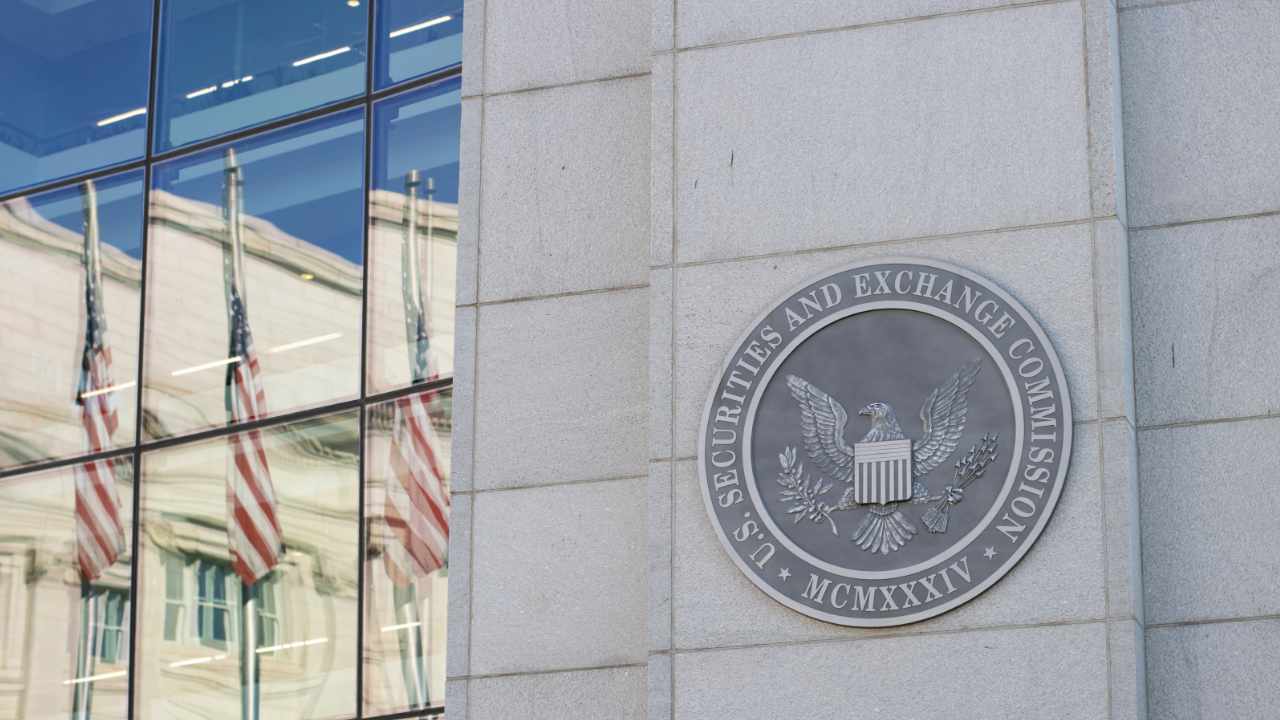
SEC Commissioner Says Crypto Privacy Isn’t a Loophole—It’s a Constitutional Right
U.S. Securities and Exchange Commission (SEC) Commissioner Hester Peirce, speaking at the Science of Blockchain Conference in Washington D.C. on Aug. 4, called for greater protection of cryptocurrency users’ financial privacy and sharply criticized regulatory efforts that threaten disintermediated technologies.
She underscored the importance of permissionless crypto systems in empowering individuals to maintain control over their financial activity without depending on centralized entities that are legally required to monitor and report user behavior. Peirce described blockchain-based tools such as zero-knowledge proofs, decentralized finance ( DeFi) protocols, and privacy-enhancing technologies as essential infrastructure in the fight for digital liberty. Peirce stated:
We should take concrete steps to protect people’s ability not only to communicate privately, but to transfer value privately, as they could have done with physical coins in the days in which the Fourth Amendment was crafted.
In a pointed critique of existing financial surveillance laws, Peirce highlighted how the Bank Secrecy Act (BSA) has transformed banks into government surveillance agents. She argued that requiring software developers or peer participants in decentralized networks to collect and report information fundamentally distorts the nature of crypto.
The SEC commissioner pushed back against proposals to impose intermediary-like obligations on decentralized networks, warning that such efforts amount to imposing outdated regulatory frameworks on a technological paradigm that is explicitly designed to function without them.
Closing her remarks, Peirce stressed the societal cost of surveillance and regulatory overreach:
Denying people financial privacy—whether through sweeping surveillance programs or restrictions on privacy-protecting technologies—undermines the fabric and freedoms of our families, communities, and nation.
She urged regulators to embrace, rather than fear, the privacy features of crypto and to resist efforts to limit lawful access to privacy-preserving tools. Peirce maintained that financial privacy is not an obstacle to law enforcement, but a fundamental right that can coexist with public safety in a well-balanced regulatory environment.