U.S. crypto markets are positioning for renewed capital inflows as SEC Chairman Paul Atkins moves to replace enforcement pressure with defined rules, signaling a potential return of sidelined liquidity and domestic activity.
SEC Chairman Doubles Down on Crypto Policy Shift Driving Capital Back Onshore
WRITTEN BY

SHARE
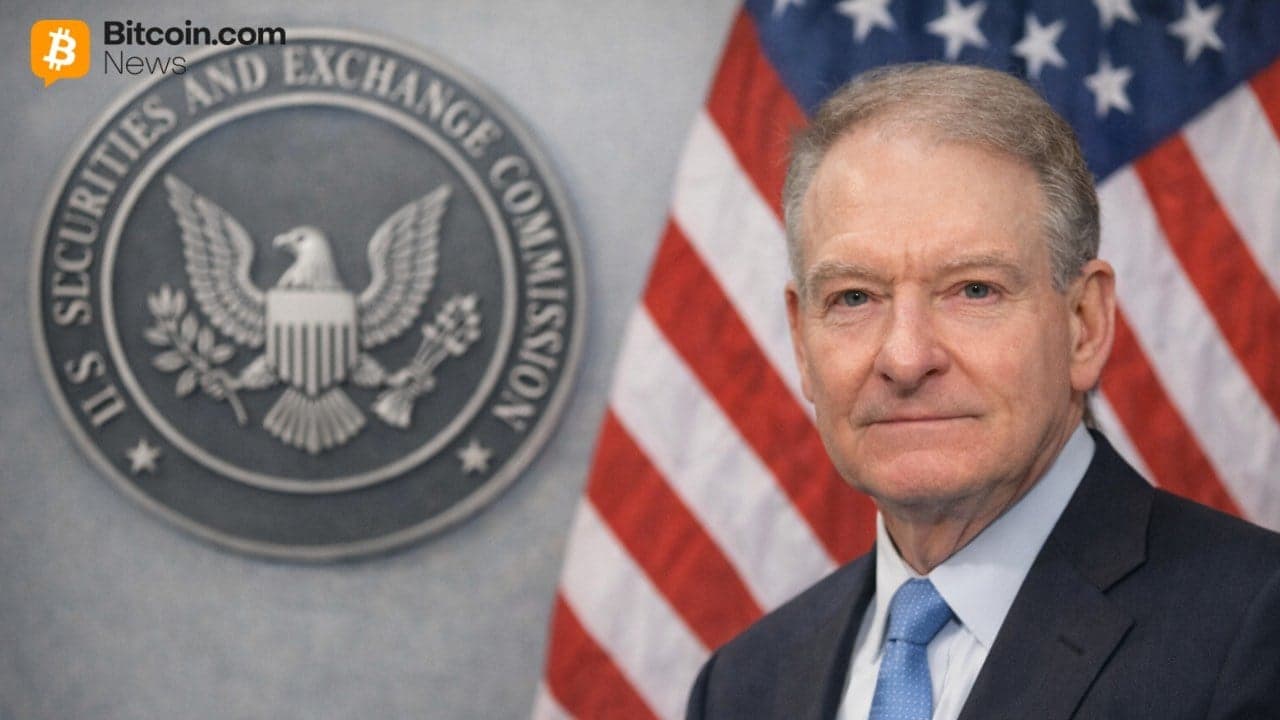
US Crypto Markets Brace for Liquidity Surge as SEC Rulemaking Era Begins
A shift in U.S. crypto oversight is taking shape. SEC Chairman Paul S. Atkins outlined a strategy on March 19, 2026, at SEC Speaks in Washington, D.C. The annual two-day conference brings together senior U.S. Securities and Exchange Commission officials to share updates on regulatory priorities, enforcement trends, and agency initiatives. The plan targets gaps that have pushed digital asset activity outside domestic markets.
Central to Atkins’ remarks was criticism of the SEC’s historical reliance on enforcement in crypto markets, which he linked to regulatory uncertainty and diminished domestic participation. He argued that the absence of clear compliance pathways forced innovators into reactive positions rather than enabling structured development. Atkins stated:
“Perhaps nowhere has the cost of failing to do so been more apparent than in our treatment of crypto assets.”
“For years, the SEC dealt with these markets not through the issuance of rules but through the might of our enforcement apparatus. Instead of articulating workable pathways for compliance, our message to the marketplace often amounted to a directive to adapt to us—or else,” he explained.
Rather than adapting frameworks to technological change, prior approaches required digital asset firms to conform to legacy systems or face penalties, according to Atkins. He indicated that this mismatch between regulation and innovation reduced the viability of U.S.-based crypto activity. The resulting environment, he suggested, weakened oversight effectiveness while allowing development to continue beyond domestic jurisdiction.
Jurisdiction Clarity and Policy Alignment Take Center Stage
Further addressing market consequences, Atkins pointed to capital and innovation flight tied to regulatory design. He emphasized that technological advancement continues regardless of policy delays, shaping where industries establish themselves. The SEC chairman stressed: “The problem, of course, is that innovation rarely pauses for regulation. It will either occur within a regulatory framework or around it. And in the case of digital assets, the SEC’s regulation by enforcement campaign precipitated the migration of an entire asset class toward offshore jurisdictions.”
Meanwhile, the chairman identified jurisdictional ambiguity as an additional barrier, particularly between the SEC and the Commodity Futures Trading Commission (CFTC). A recent memorandum of understanding between the agencies introduces coordinated oversight, shared data processes, and aligned definitions, supporting joint initiatives on crypto classification. Atkins stated:
“Among the first outputs of this new era of harmonization, focused on clarifying rules and regulatory jurisdiction, is the token taxonomy and crypto interpretive guidance that the SEC recently published—and the CFTC joined.”
“And as I said earlier this week, while the interpretation provides long-needed clarity, I should like to assure this audience that it amounts to a beginning, not an end,” he further shared.
Finally, Atkins positioned crypto regulation within a broader institutional shift toward clearer, more adaptable rules that balance innovation with investor protection. He emphasized that structured frameworks, rather than enforcement-driven approaches, are necessary to ensure digital asset markets develop within U.S. oversight while maintaining accountability.

SEC, CFTC Issue Landmark Crypto Guidance Defining US Regulatory Boundaries
The Securities and Exchange Commission (SEC) and Commodity Futures Trading Commission (CFTC) on Tuesday issued a joint interpretation clarifying how…
Read Now

SEC, CFTC Issue Landmark Crypto Guidance Defining US Regulatory Boundaries
The Securities and Exchange Commission (SEC) and Commodity Futures Trading Commission (CFTC) on Tuesday issued a joint interpretation clarifying how…
Read NowSEC, CFTC Issue Landmark Crypto Guidance Defining US Regulatory Boundaries
Read NowThe Securities and Exchange Commission (SEC) and Commodity Futures Trading Commission (CFTC) on Tuesday issued a joint interpretation clarifying how…
FAQ 🧭
- Why is the SEC changing its crypto oversight approach?
To reduce uncertainty and bring innovation back under U.S. regulatory control. - What does rulemaking mean for crypto investors?
It could provide clearer compliance standards and reduce regulatory risk. - How does offshore migration affect U.S. markets?
It weakens domestic oversight and shifts capital and innovation abroad. - What role does the CFTC play in this shift?
It is coordinating with the SEC to clarify jurisdiction and asset classification.