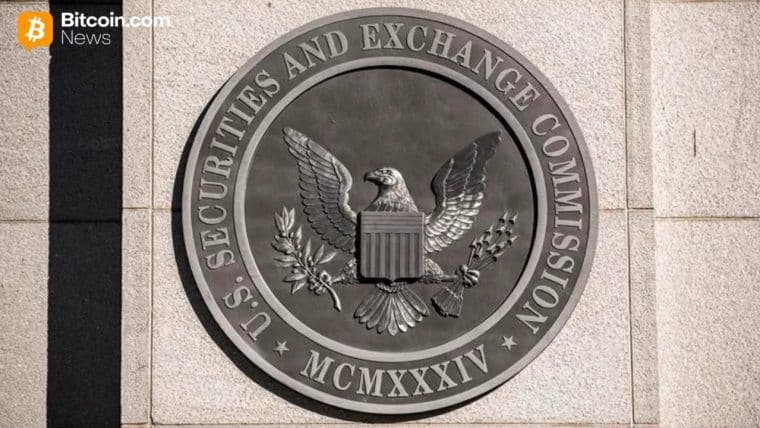
U.S. regulators are moving to align oversight of securities and derivatives markets as SEC Chairman Paul Atkins pushes a coordinated framework with the CFTC designed to reduce duplicate compliance, unify supervision, and streamline how firms operate across both regimes.
SEC Chair Pushes SEC-CFTC Regulatory Harmonization
WRITTEN BY

SHARE
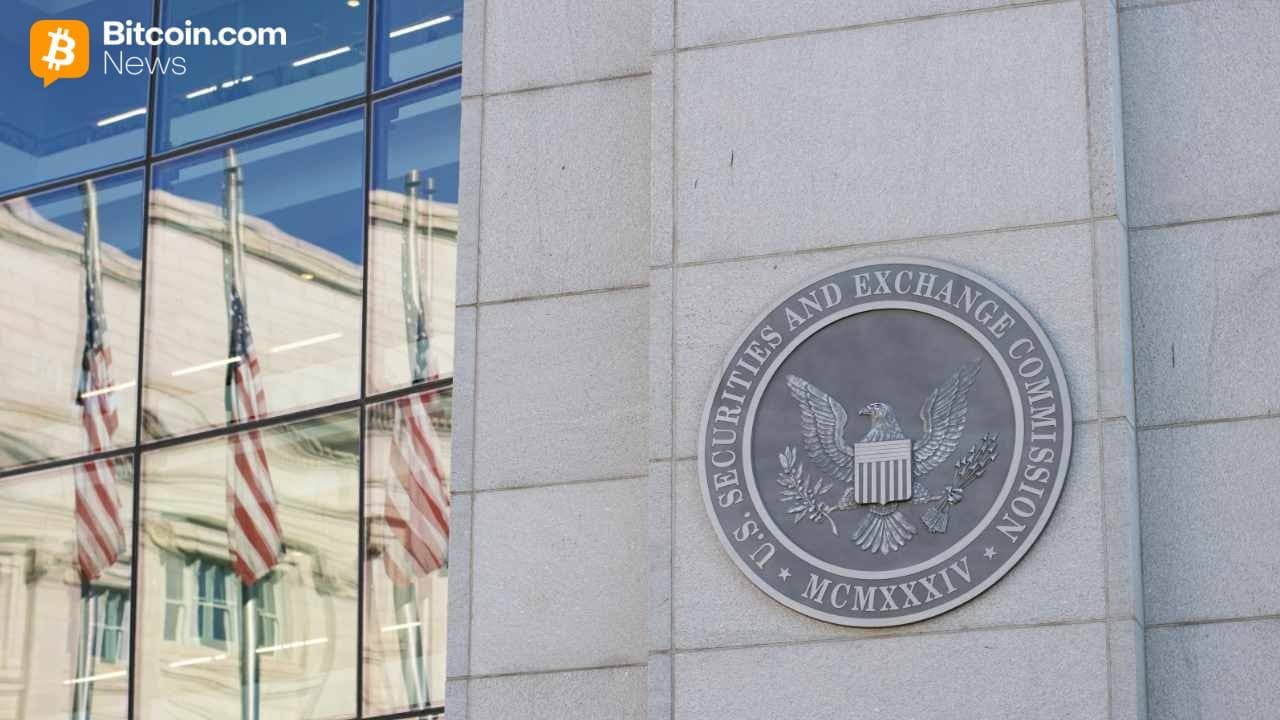
SEC and CFTC Move Toward Unified Market Oversight Framework
Regulatory coordination between U.S. market overseers is expanding as U.S. Securities and Exchange Commission (SEC) Chairman Paul S. Atkins outlined efforts on March 10 to harmonize rules and oversight with the Commodity Futures Trading Commission (CFTC) for securities and derivatives markets.
Atkins explained the initiative during remarks at the FIA Global Cleared Markets Conference in Boca Raton, Florida. He said:
“The principle that ought to guide us instead is straightforward: where one agency’s framework achieves comparable regulatory outcomes, then it should be capable of satisfying overlapping requirements of the other.”
In his remarks, the SEC chairman described the approach as similar to a regulated “super-app,” where firms operating across both regulatory frameworks could rely on integrated compliance processes instead of navigating duplicative reporting systems, examinations, and supervisory regimes.
Meanwhile, the SEC has directed staff to begin joint meetings with CFTC staff on product applications and interpretive questions affecting firms subject to both regulatory frameworks. The SEC also said it launched an SEC-CFTC Harmonization webpage where market participants can request coordinated discussions with both agencies. Areas highlighted for collaboration include cross-margining and trading structures combining cash and futures products. Atkins encouraged industry participants to bring forward proposals for new trading structures, noting that regulators may consider targeted relief where necessary to support innovation across markets that increasingly operate in parallel.
Additionally, the agencies are considering an updated Memorandum of Understanding to improve coordination in examinations, enforcement activity, and supervisory information sharing. The SEC and CFTC have also entered what officials describe as a new phase of cooperation, including the January 2026 initiative described as Project Crypto by Atkins and CFTC Chairman Michael Selig. The initiative seeks to establish shared definitions distinguishing digital commodities from digital asset securities while drawing clearer jurisdictional boundaries between regulators. The effort also aims to reduce duplicative compliance obligations for platforms offering both spot trading and derivatives, potentially creating pathways for crypto firms to operate more easily within U.S. regulated markets.
SEC Publishes Crypto FAQs Clarifying Trading, Custody, and Market Infrastructure Rules
SEC staff guidance clarifies how existing securities laws apply to crypto assets, detailing custody, capital, trading, and recordkeeping expectations while…
Read Now

SEC Publishes Crypto FAQs Clarifying Trading, Custody, and Market Infrastructure Rules
SEC staff guidance clarifies how existing securities laws apply to crypto assets, detailing custody, capital, trading, and recordkeeping expectations while…
Read NowSEC Publishes Crypto FAQs Clarifying Trading, Custody, and Market Infrastructure Rules
Read NowSEC staff guidance clarifies how existing securities laws apply to crypto assets, detailing custody, capital, trading, and recordkeeping expectations while…
FAQ 🧭
- Why are the SEC and CFTC working toward a unified market oversight framework?
The regulators aim to reduce duplicative compliance requirements and create consistent oversight for firms operating across securities and derivatives markets. - How could regulatory harmonization affect financial firms and exchanges?
Integrated compliance and coordinated supervision could lower regulatory costs and simplify operations for platforms offering both cash securities and futures products. - What role does Project Crypto play in SEC and CFTC coordination?
Project Crypto seeks to define digital commodities versus digital asset securities and clarify regulatory jurisdiction to make U.S. crypto markets easier to operate within. - Why should investors watch the SEC-CFTC cooperation efforts?
Closer coordination may accelerate financial product innovation and improve regulatory clarity for emerging markets such as crypto and hybrid trading platforms.