The SEC’s latest move could accelerate listings of XRP and other crypto ETFs following new generic listing standards, signaling streamlined approvals and growing momentum for digital assets.
SEC Asks Crypto ETF Issuers to Withdraw 19b-4—New Standards Could Accelerate XRP ETF: Report
WRITTEN BY

SHARE
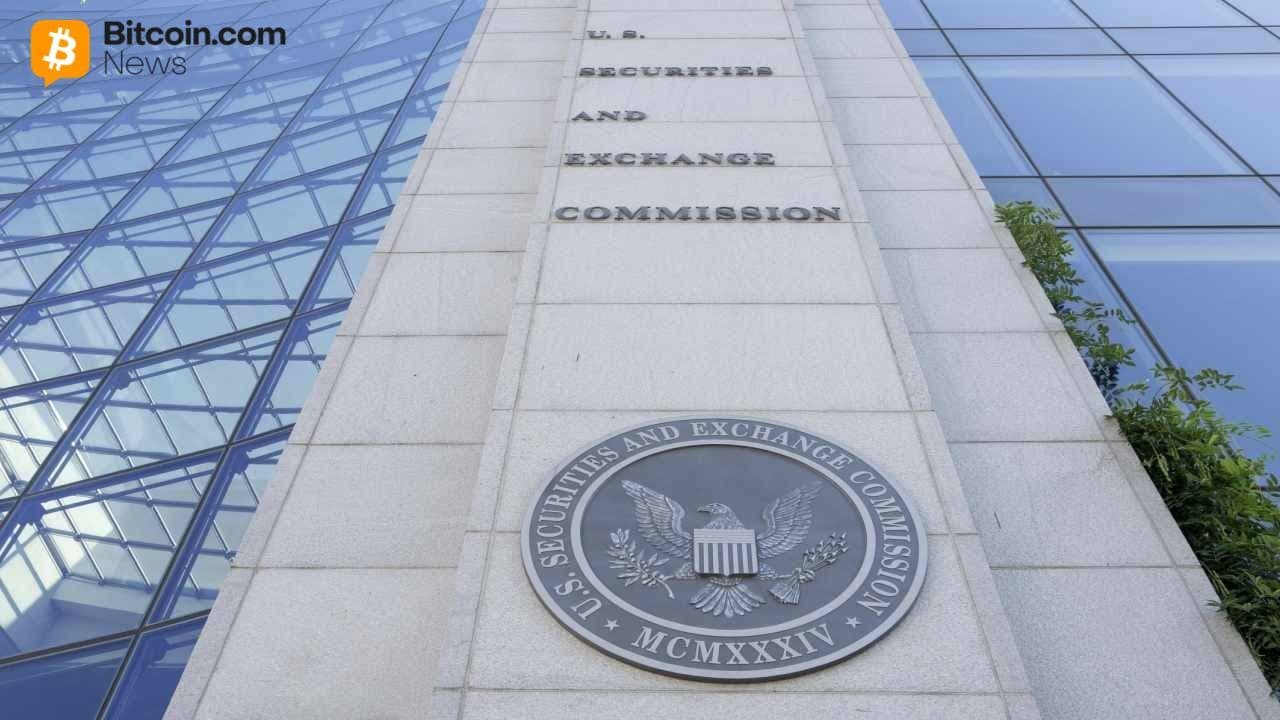
SEC Clears Path for Crypto ETFs With New Generic Listing Standards
The regulatory landscape for digital asset investment vehicles is undergoing another shift that could reshape the path for several proposed exchange-traded funds (ETFs). The U.S. Securities and Exchange Commission (SEC) has reportedly instructed issuers to retract their 19b-4 filings tied to ETFs for litecoin, XRP, solana, cardano, and dogecoin. The directive comes after the regulator approved generic listing standards, a decision that effectively eliminates the requirement for these specific filings.
Crypto in America’s Eleanor Terrett reported on social media platform X on Sept. 29 that the SEC has asked issuers to begin withdrawing their 19b-4 filings, writing:
The SEC has asked issuers of LTC, XRP, SOL, ADA, and DOGE ETFs to withdraw their 19b-4 filings following the approval of the generic listing standards, which replace the need for those filings.
“I’m told withdrawals could start happening as soon as this week,” she further shared. This move signals a procedural adjustment rather than a rejection of the products, as the new framework provides a more standardized approach to how such ETFs can be listed.
The traditional 19b-4 filing required a stock exchange to propose a new rule to the SEC for listing a specific product, such as a crypto ETF, involving a full review and public comment period. After the SEC approved generic listing standards, exchanges could list certain ETPs without a separate filing, provided the product meets predefined criteria, such as the presence of a regulated futures market for the underlying asset. This change streamlined the process by eliminating the need for individual filings.
Market analysts view this as a technical streamlining step, rather than a commentary on the viability of crypto-based ETFs. While some may interpret withdrawals as a setback, the adoption of generic listing standards suggests the SEC is creating a more uniform path for these products to enter the market. Proponents of digital assets argue that such regulatory clarity can help reduce friction and make approval processes more efficient, potentially supporting broader institutional participation in the crypto ETF space.