


The SEC’s Crypto Task Force met with Michael Saylor to discuss a groundbreaking regulatory framework that could legitimize digital assets, fuel market growth, and secure U.S. dominance.
SEC and Michael Saylor Discuss Crypto Framework That Could Redefine Regulation

This article was published more than a year ago. Some information may no longer be current.
WRITTEN BY

SHARE
Michael Saylor Pushes SEC for a Crypto Framework That Could Change Everything
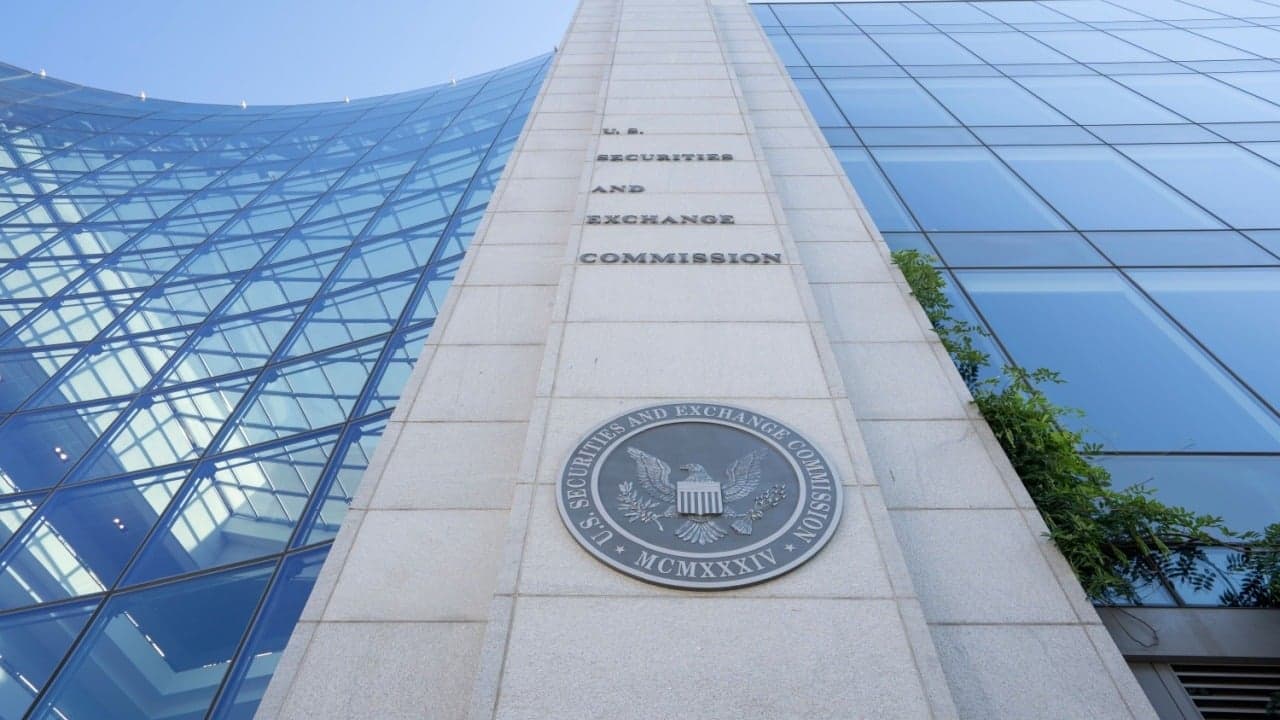
The U.S. Securities and Exchange Commission (SEC) Crypto Task Force met with Microstrategy’s executive chairman, Michael Saylor, on Feb. 21 to discuss regulatory strategies for digital assets. According to a memorandum published by the SEC:
The topic discussed was approaches to addressing issues related to regulation of crypto assets.
Saylor presented a set of documents that served as the foundation for the meeting. The document, titled “Digital Assets Framework, Principles, and Opportunity for the United States,” outlined Saylor’s vision for a structured regulatory framework.
His plan classified digital assets into six categories, including digital commodities like bitcoin, digital securities tied to equity or debt, and digital currencies backed by fiat. Saylor stressed that a well-defined taxonomy is crucial for regulatory clarity and fostering innovation in the sector.
In addition to classification, Saylor emphasized the need for legitimacy through a rights-and-responsibilities framework for issuers, exchanges, and asset owners. He proposed reducing regulatory friction while enforcing transparency and accountability. His approach aimed to lower issuance costs, streamline transactions, and allow industry-led disclosures rather than bureaucratic oversight. By advocating for real-time digital asset issuance and free-market competition, Saylor suggested that regulatory efficiency could drive accessibility, cost reductions, and market expansion.
Saylor’s vision extended beyond regulation, positioning the United States as a global leader in digital finance. He argued that digital assets could strengthen the U.S. dollar, expand capital markets, and even help offset national debt through a bitcoin reserve strategy. The document concluded:
By establishing a clear taxonomy, a legitimate rights-based framework, and practical compliance obligations, the United States can lead the global digital economy.
“A capital markets renaissance fueled by digital assets will unlock trillions in wealth, empower millions of businesses, and solidify the US dollar as the foundation of the 21st-century digital financial system,” the document added.
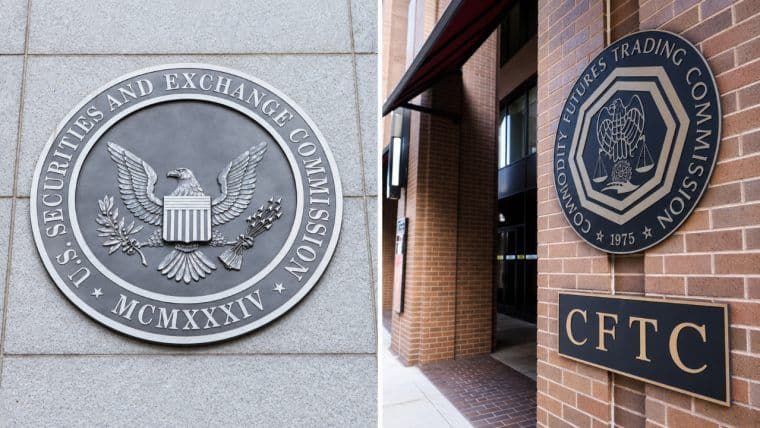
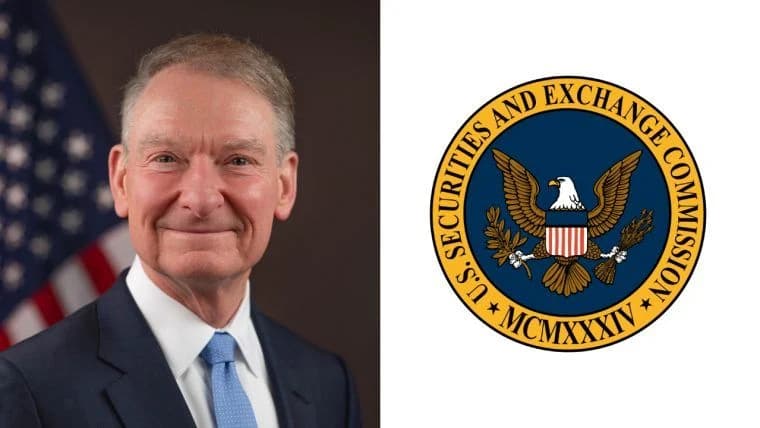
The SEC’s Crypto Task Force, established by Acting Chairman Mark T. Uyeda in January, is dedicated to developing a comprehensive and clear regulatory framework for crypto assets. Commissioner Hester Peirce, often referred to as “Crypto Mom” for her advocacy of balanced crypto regulation, leads the task force. The initiative aims to shift the SEC’s approach from enforcement-driven actions to proactive policymaking, collaborating with stakeholders to foster innovation while ensuring investor protection.