The Salvadoran government has presented an initiative to accelerate the inclusion of Bitcoin and other cryptocurrencies in its investment banking sector. The banking law reform introduced to the National Assembly would allow private investors to constitute banks that can provide services in Bitcoin and stablecoins for sophisticated investors
Salvadoran Government Introduces Bitcoin Banking Law Reform

This article was published more than a year ago. Some information may no longer be current.
WRITTEN BY

SHARE
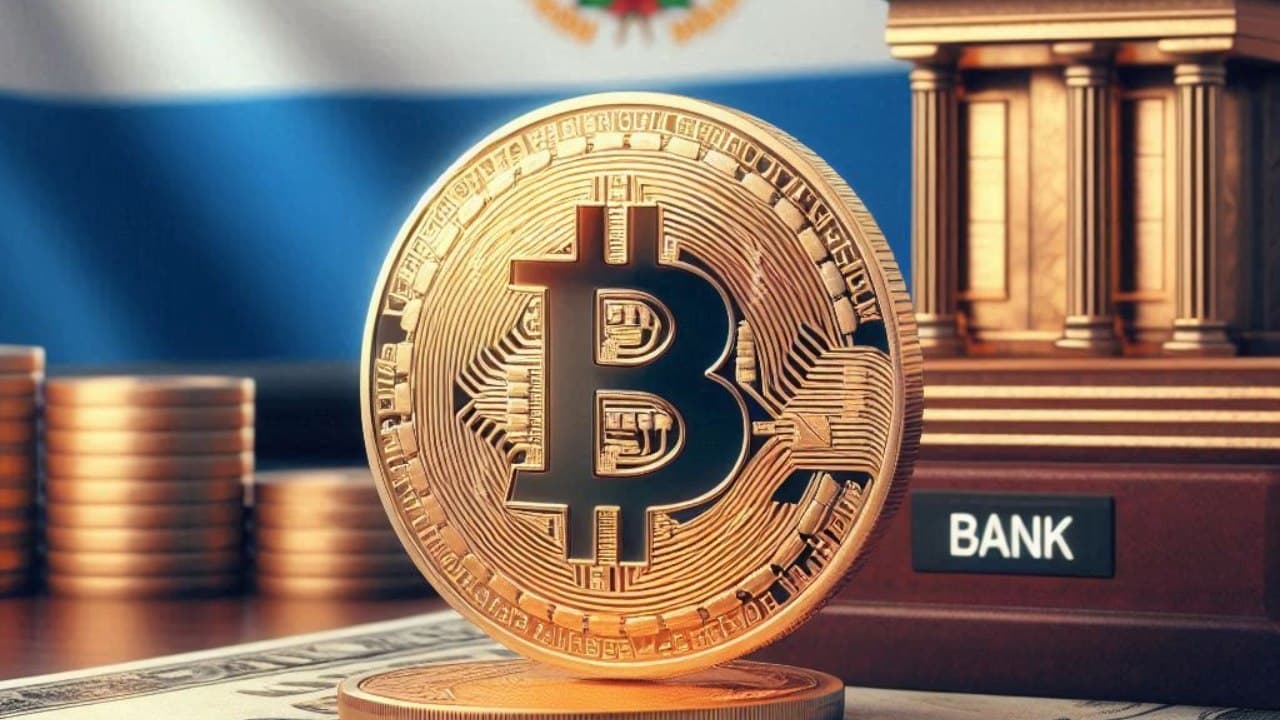
Salvadoran Government Presents Bill to Allow Private Investment Banks to Lend Bitcoin Services
Bitcoin adoption is set to experience a new boom in El Salvador. The Salvadoran government has introduced an initiative to reform the current banking law by introducing a new kind of bank that can lend bitcoin and crypto services.
The banking bill reform was presented to the Technology, Tourism, and Investment Commission of the National Assembly on June 13 including 14 new articles that define Private Investment Banks (PIB) as “an essential instrument at the international level that promotes economic development and facilitates the channeling of financial resources towards business and government projects.”
If passed, this initiative will allow the creation of these banks that can offer different services, including economic risk management, purchase of financial products, investment management, hedging, and other financial derivatives. These services will support any legal tender in El Salvador, like the U.S. dollar and bitcoin.
Furthermore, the bill explicitly states that stablecoins-based instruments are supported, opening the door to crypto-based investment instruments. Nonetheless, the requirements for launching a PIB are steep: these companies should have a capital of $50 million when established.
Also, these banks won’t service all Salvadorans, as their service offerings would be focused on “sophisticated investors.” These will have to prove ownership of at least $250,000 in assets and pass a bank-specific knowledge test, or prove ownership of $500,000 in assets.
Nonetheless, the Salvadoran government believes these institutions are relevant for furthering the nation’s economic awakening. In a press release, it detailed that it was “essential to develop the regulatory framework that promotes and facilitates the establishment and operation of PIBs, in order to promote economic growth.”
To follow all the latest developments in crypto and the economy in Latin America, sign up for our Latam Insights newsletter below.
What do you think about the possible inclusion of Bitcoin and other cryptocurrencies in private investment banks in El Salvador? Tell us in the comments section below.