Alexander Babakov, Deputy Chairman of the Russian State Duma, called out President-elect Trump’s recent threats regarding the hypothetical implementation of a 100% tariff regime on the BRICS bloc, stating that such an application was unlikely.
Russian State Duma Deputy Chairman Calls out Tariff Bluff, Remarks on Digital Currencies' Role in Freeing International Trade

This article was published more than a year ago. Some information may no longer be current.
WRITTEN BY

SHARE
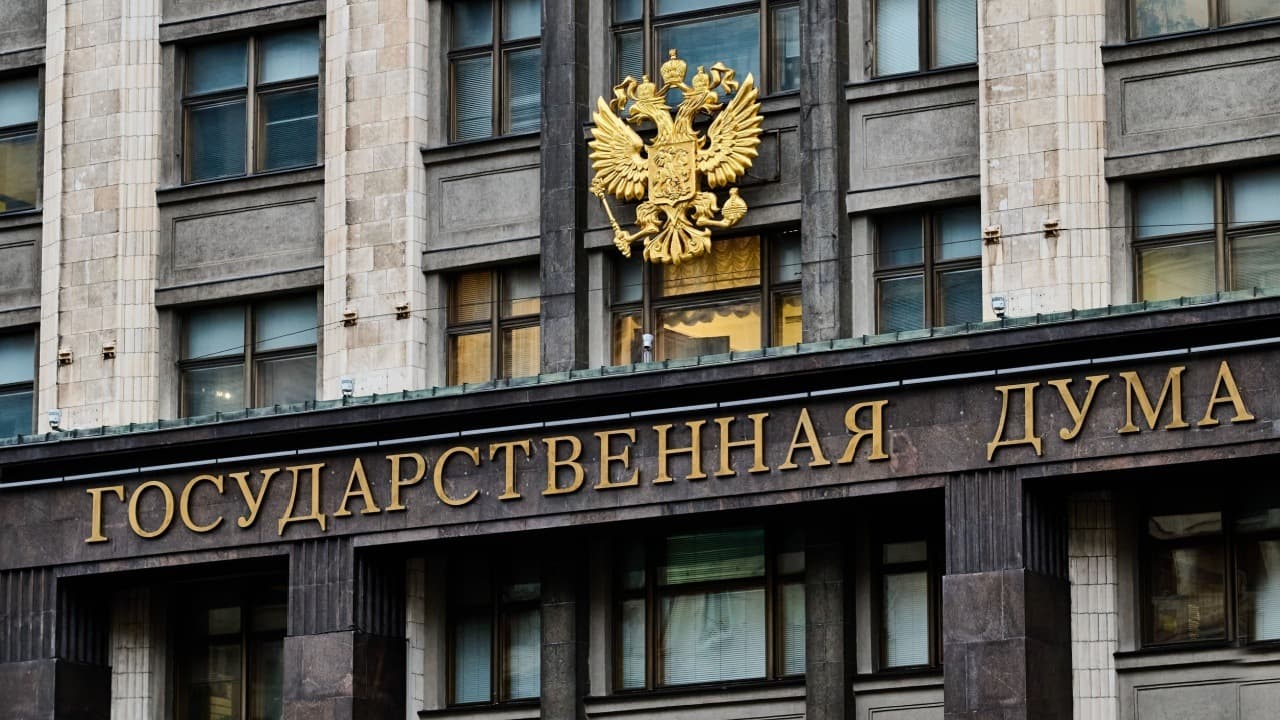
Russian State Duma Deputy Chairman: Trump Unlikely to Proceed With 100% Tariff Threat
President-elect Trump still has officials worried about the possible application of a 100% tariff regime to the BRICS bloc. Alexander Babakov, Deputy Chairman of the Russian State Duma, recently called out these tariff threats as a bluff, stating that while it would be possible to apply these measures, it was unlikely due to the repercussions of such actions.
In an opinion piece published on Izvestia, Babakov considered the high interdependence of today’s globalized economy, the existence of alternative payment methods, and the internal opposition that such a measure would garner would hinder Trump’s initiative.
In his tariff statement directed to the BRICS, Trump argued that this regime would be applied only if these countries created a new currency and decided to abandon the U.S. dollar. Babakov countered this idea, stating that a single currency was not necessary for the future of the block, and that a multilateral payment platform would help reach the same goal.
In this sense, Babakov stated that this payment system, the development of national digital currencies, the establishment of an offshore ruble, and a clearing system for these currencies would help BRICS to isolate their trading settlements from the U.S. dollar, which has become a political weapon.
He explained:
Digital currencies provide instant and secure transactions, the offshore ruble attracts large international companies, and the clearing system supports long-term settlements and large contracts.
Distributed technology, such as blockchain, would have a key role in the design and sustainability of these settlement platforms, helping carry over payments transparently.
Babakov had referred to this platform before, also remarking on the pivotal role this exchange would have on the BRICS future. In October, he acknowledged that this unified clearing exchange “will be the key to the economic sovereignty and independence of our countries.”
Read more: BRICS Unified Exchange to Leverage Blockchain and Virtual Currency for Settlements