U.S. Treasury Secretary Janet Yellen recently referred to the possibility of enacting sanctions against Chinese banks as the U.S. prepares to deepen its measures to weaken the Russian economy. This could affect trade settlements between Russia and China, which have already suffered due to previous measures.
Russian Settlements Face Another Blow: U.S. Treasury Hints at Sanctions Against Chinese Banks

This article was published more than a year ago. Some information may no longer be current.
WRITTEN BY

SHARE
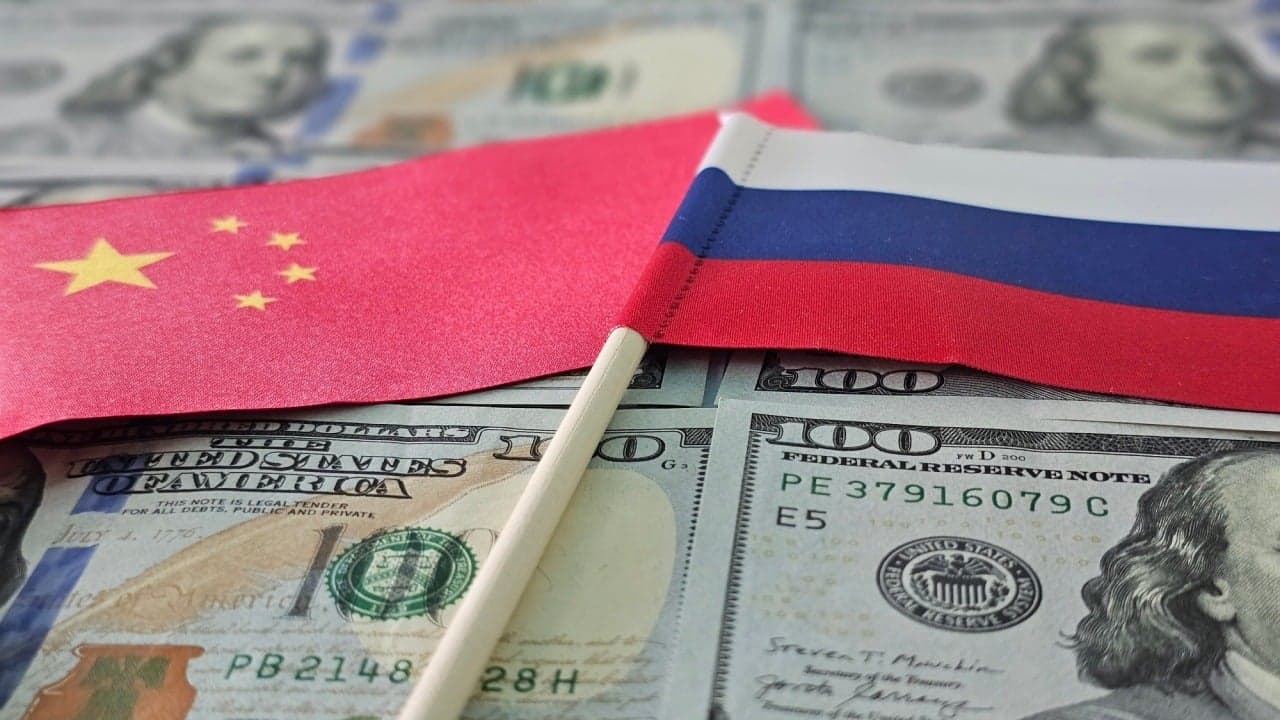
US Treasury Prepared to Enact Sanctions Against Chinese Banks if Necessary
The U.S. might be gearing to include individual Chinese banks as sanctioned parties involved in the Russian war effort. In a recent interview, U.S. Treasury Secretary Janet Yellen acknowledged that this might happen in the future against banks helping Russia circumvent existing sanctions.
Yellen stated:
I would absolutely not rule out the possibility that we could apply sanctions to an individual bank if we had the necessary level of evidence to impose sanctions.
Furthermore, Yellen revealed that these issues were discussed through separate channels, this being enough sometimes. Yellen’s remarks might explain the current behavior of Chinese banks, which have denied service to Russian banks paying or receiving payments from Chinese companies, fearing secondary sanctions.
While this, in theory, should affect only banks directly processing Russian military payments, in practice, Chinese banks have started rejecting even Russian companies doing legal business with so-called dual-use products, that can be leveraged for civilian and military applications.
This issue intensified since August, when a new round of sanctions included 46 Chinese companies, prompting Chinese banks, which serve as payment intermediaries, to be even more careful with the transactions processed.
Read more: Bilateral Settlement Between China and Russia Worsens Due to New Sanctions
In October, President Putin reported that the trade turnover between Russia and China had grown by over 4.5% from January to August. The Chinese Ambassador to Russia, Zhang Hanhui, recently supported these remarks, stating that the energy-based bilateral trade continued growing and that the two countries have been optimizing their trade structure.
Gold and cryptocurrency have been mentioned as tools to sidestep traditional payment rails. In November, Ukrainian analysts concluded Russia was leveraging part of its gold reserves for settlements. “While it’s unclear how much of a role gold plays in Russia’s trade with China, it is certainly becoming a growing feature,” they reported.
Read more: Analysts: Gold Transactions Fuel Russian Shadow Trading Payments