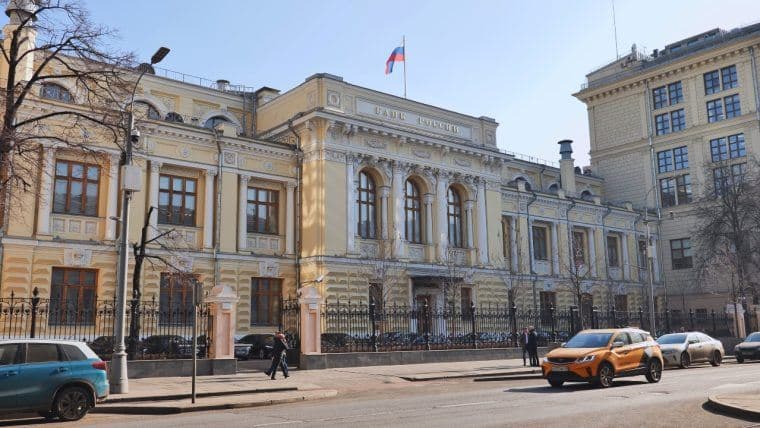



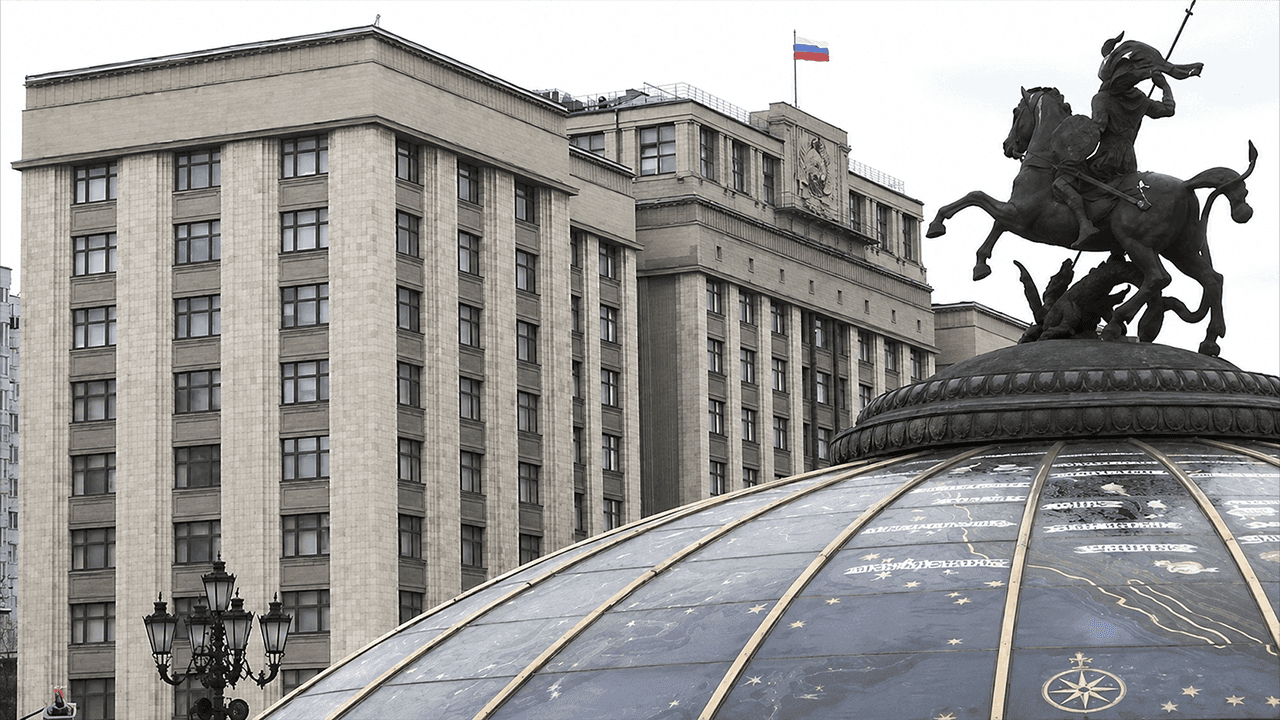
Russia’s State Duma is set to vote July 21 on a sweeping crypto bill that would legalize regulated trading and cross-border settlements while preserving the country’s ban on digital-asset payments at home, RBC reported on Monday.
Russia Nears Final Crypto Vote With Retail Caps, Licensed Exchanges and Bitcoin Trade
WRITTEN BY

SHARE
Key Takeaways
- Russia’s Duma votes July 21 after 327 deputies backed the crypto bill’s first reading.
- Bank of Russia may cap retail crypto buys at 300,000 rubles, limiting domestic demand.
- Bitcoin trade use could expand Sept. 1, but licensing rules may delay full market access.
Duma Puts Crypto Framework on Final Track
Draft law No. 1194918-8, “On Digital Currency and Digital Rights,” is scheduled for second and third readings after the Financial Market Committee recommended the measure for advancement on July 16. The Russian government introduced the proposal on April 1. Russia’s Duma will vote on Tuesday, July 21, according to a report from RBC reporter Anastasia Kuzmicheva.
The bill cleared its first reading on April 21, with 327 of 340 participating deputies voting in favor. Passage on Tuesday would send the legislation to the Federation Council before it could reach President Vladimir Putin for signature.
Russia Opens Trade Door but Guards the Ruble
The proposal would recognize digital currency as property and permit licensed operators to support crypto transactions. Exchanges, brokers, custodians and other intermediaries would operate under Bank of Russia supervision.
Crypto would remain prohibited as payment for goods and services inside Russia. Foreign-trade participants, however, could use digital assets in cross-border settlements, widening access beyond the experimental regime already available to selected companies.
That distinction is central to Moscow’s strategy. The government is seeking alternative settlement channels as Western sanctions restrict access to correspondent banks and conventional payment networks, but it is not prepared to weaken the ruble’s role in domestic commerce.
Retail Access Comes With a Tight Gate
The Bank of Russia is expected to set annual purchase limits for non-qualified investors and require risk testing. A proposed ceiling of 300,000 rubles, roughly $3,800, would sharply restrict ordinary investors while qualified participants receive broader access.
The final framework also dropped an earlier demand that holders disclose individual wallet addresses. Reporting would instead focus on balances and transaction flows, although implementing rules could still determine how private wallets interact with licensed Russian infrastructure.
Mining would remain under Federal Tax Service oversight rather than the Bank of Russia, while regulated financial firms could gain new opportunities in custody, brokerage and foreign-trade settlement services.
What Bitcoin Traders Should Watch
For bitcoin, the immediate implication is institutional rather than retail. Legal cross-border use could increase demand from exporters, importers and settlement providers, while licensing may concentrate liquidity among state-approved banks and trading platforms.
Russia’s Finance Ministry estimates that roughly 20 million residents hold crypto. The bill would move a large portion of that activity toward supervised channels, but retail caps and custody restrictions could keep speculative demand constrained.
International scrutiny also remains a risk. Companies handling Russian crypto settlements could face additional compliance reviews or sanctions exposure, particularly when transactions involve restricted entities or counterparties.
Anatoly Aksakov, chairman of the Duma’s Financial Market Committee, has said the legislation is expected to take effect Sept. 1. Additional Bank of Russia rules may be required before fully regulated trading begins, leaving implementation and enforcement as the next major tests.
RBC’s Kuzmicheva quoted Aksakov as saying:
“And tomorrow [July 21], we will adopt a law in the second and third readings aimed at creating legal conditions for the functioning of cryptocurrencies in our country.”

The digital ruble payments bill, which has already been approved in its first reading by the State Duma, introduces the…
Read Now: Russian State Duma Prepares Bill to Widespread Digital Ruble Payments