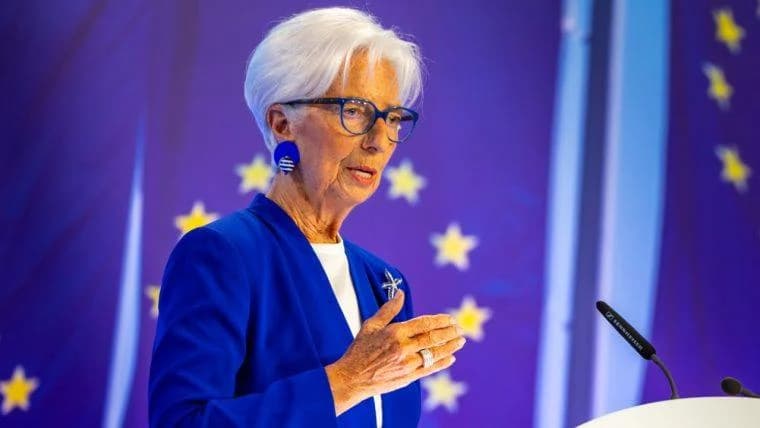



Bank of Russia Governor Elvira Nabiullina stated that the digital ruble launch had progressed smoothly and that the number of accounts had jumped by nearly 87,000 over ten days, prompted by the instrument’s novelty and users’ curiosity to test how it works.
Russia Launches Digital Ruble Nationwide With 87K New Accounts
WRITTEN BY

SHARE
Key Takeaways
- Russia launched its digital ruble nationwide, prompting 87,000 users to open accounts within ten days.
- The central bank reported a smooth launch, resolving minor technical issues to maintain system stability.
- Major Russian banks and large retailers must now accept the CBDC, forcing broad market integration by 2028.
Bank of Russia Reveals Digital Ruble Accounts Rose to Record Levels Since Its Launch
On September 1, Russia became one of the few countries in the world to successfully launch its own central bank digital currency (CBDC), the digital ruble, after a lengthy pilot that started real user tests in 2023.
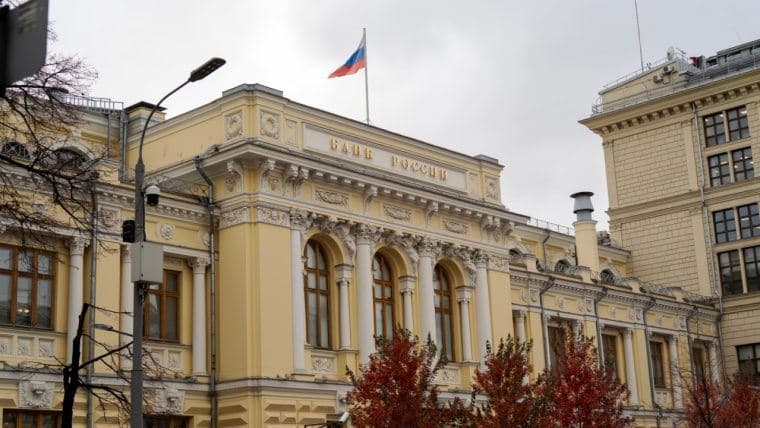
At a press conference on Friday, Bank of Russia Governor Elvira Nabiullina revealed details about the countrywide rollout of the digital ruble and how adoption processes have progressed.
Nabiullina said that the nationwide rollout of the digital ruble, previously confirmed by the bank, had progressed smoothly, with few problems arising at a few banks related to customers opening accounts or executing certain transactions.
“The banks involved handled this very quickly, and we were in constant contact with them. We have not seen widespread problems or a large volume of complaints,” Nabiullina stressed.
Nabiullina highlighted that digital ruble activity had surged after the full rollout, with operations reaching record levels as the population turns to test this new money alternative.
“Newly opened accounts have been growing over the 10 days. We’ve had 87,000 accounts opened and more than 50,000 transactions done. Of course, many people are just giving it a try to see how it all happens, but I hope that they will appreciate the convenience,” she said.
Even so, Nabiullina revealed the bank was working to improve the user experience when making certain operations using the digital ruble. “We are currently working in parallel to reduce the number of clicks a person needs in order to open an account or perform a transaction, while ensuring we maintain a high level of protection,” she disclosed, pointing out that the initiative had awakened interest among individuals and companies.
“Ultimately, though, the choice of what to use is theirs,” she concluded, highlighting that the digital ruble would not be mandatory for users. Nonetheless, after September 1, the 12 largest Russian banks and retailers with yearly revenue of over 120 million rubles (about $1.42 million) must accept digital ruble payments, with more companies to follow until 2028.

According to Alla Bakina, Director of the Central Bank’s National Payment System Department, the upcoming implementation of the digital Ruble…
Read Now: Central Bank of Rusia Highlights Digital Ruble’s Payments Potential