Russia and China have nearly eliminated the U.S. dollar from their bilateral trade, conducting transactions in rubles and yuan as de-dollarization reshapes global economic power structures.
Russia–China Foreign Trade Near Dollar-Free: Almost All in Rubles, Yuan
WRITTEN BY

SHARE
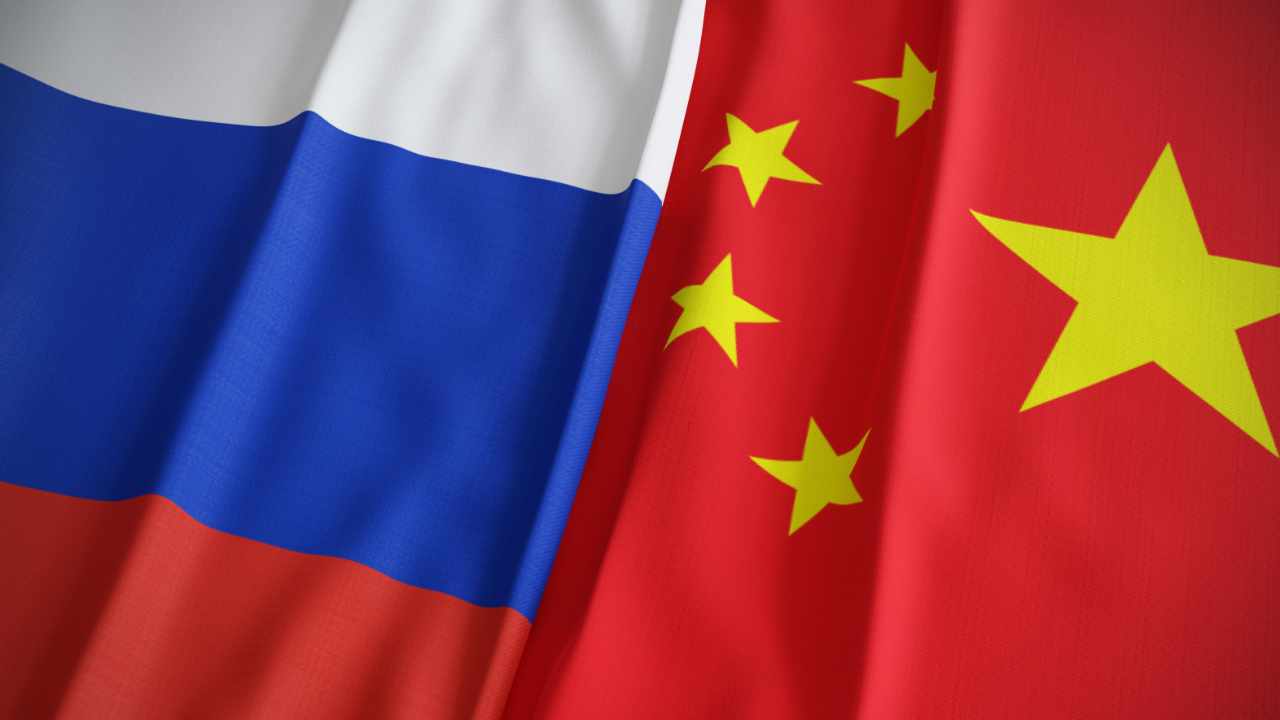
Almost All Russian-Chinese Foreign Trade Operations Now in Rubles and Yuan
Following a high-level meeting with Chinese President Xi Jinping on May 8 in Moscow, Russian President Vladimir Putin addressed the media to highlight the progress in economic cooperation between Russia and China, Tass reported. He stated that nearly all bilateral trade is now conducted in their respective national currencies.
Putin emphasized the strategic shift away from reliance on the U.S. dollar and euro by affirming: “The deepening of commercial ties is also facilitated by the timely coordinated steps taken in Russia and China to transfer settlements between our countries to national currencies.” He continued:
As a result, almost all Russian-Chinese foreign trade operations are carried out in rubles and yuan.
“In fact, a stable system of mutual trade has been built, which is reliably protected from the influence of third countries and negative trends in world markets,” Putin added.
The Russian president highlighted the extent of economic integration with China, noting that China remained Russia’s largest trading partner in 2024, with bilateral trade reaching a record $245 billion. He stated that Russia is also one of China’s major external trade partners.
Putin stated that about 90 priority Russian-Chinese projects, worth approximately $200 billion, are either being implemented or prepared in sectors including industrial production, transport, logistics, agriculture, and mining.
The shift toward using national currencies in trade is not limited to Russia and China. A broader movement is underway among countries within the BRICS bloc toward de-dollarization and greater monetary independence. These nations have increasingly voiced support for settling trade in local currencies as a way to insulate themselves from external financial pressure and sanctions. This trend has gained traction in response to geopolitical developments and global monetary instability.