The publicly listed mining firm Riot Platforms and the Texas Blockchain Council have initiated legal proceedings against the U.S. Department of Energy (DOE) and other federal entities, aiming to obstruct what they deem an unauthorized data collection effort targeting the bitcoin mining industry. The legal battle underscores the escalating tension between bitcoin mining operations and regulatory oversight, particularly around energy consumption concerns.
Riot and Texas Blockchain Council Challenge US Government’s Bitcoin Mining Data Request in Court

This article was published more than a year ago. Some information may no longer be current.
WRITTEN BY

SHARE
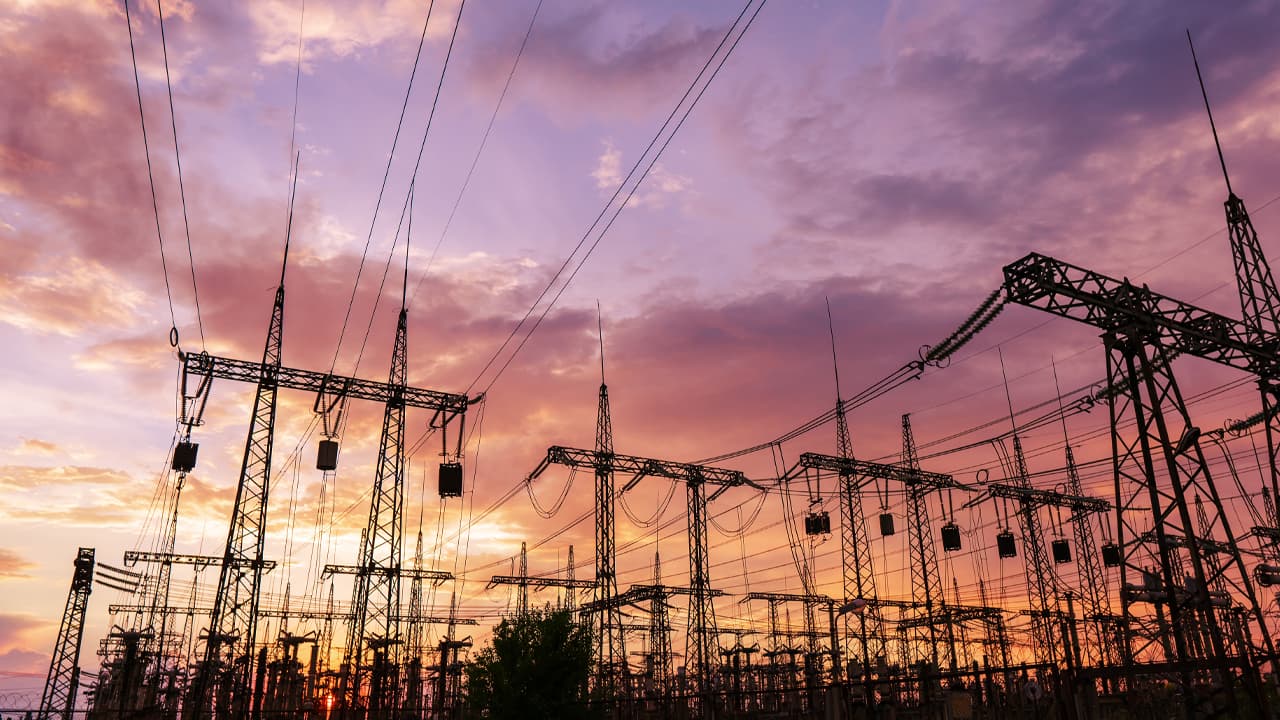
Riot Platforms and Texas Blockchain Council File Legal Challenge Against DOE’s Bitcoin Mining Inquiry
The plaintiffs, Riot Platforms and the Texas Blockchain Council (TBC) argue that the DOE’s attempt to gather detailed energy usage data from bitcoin miners, under the guise of an emergency action, breaches the Paperwork Reduction Act (PRA) and the Administrative Procedure Act (APA). The court filing highlights the DOE’s expedited request to the Office of Management and Budget (OMB) for emergency survey deployment as not only baseless but also lacking in the necessary procedural safeguards, such as public notice and opportunity for comment, mandated by the PRA.
“This is a case about sloppy government process, contrived and self-inflicted urgency, and invasive government data collection,” the lawsuit emphasizes.
Central to Riot and TBC’s contention is the assertion that the survey imposes an undue burden on respondents, compelling them to disclose sensitive, confidential, and proprietary information without lawful authority. This, they argue, not only infringes on their rights but also sets a dangerous precedent for governmental overreach into private sector operations, potentially harming the competitive standing of U.S. bitcoin mining operations on a global scale.
“TBC’s members face a sufficiently imminent and credible threat of government enforcement if they do not respond to the survey,” the filing adds. “Riot has estimated that it has already expended more than 40 employee hours attempting to respond to the initial survey. That is eighty times the estimated burden of 0.5 hours that EIA estimated it would take to complete the survey.”
Moreover, the lawsuit underscores the plaintiffs’ belief that the DOE’s actions were not motivated by a genuine concern for public harm or energy stability but were rather influenced by political pressures aiming to curb the cryptocurrency mining industry’s growth. Throughout the court filing, they point to previous public and legislative scrutiny over the environmental impact of cryptocurrency mining as a backdrop to the DOE’s sudden and aggressive data collection efforts.
The court filing essentially seeks a “temporary restraining order and/or preliminary injunction prohibiting [the] defendants [the] Department of Energy and Energy Information Administration from collecting EIA- 862 data from identified commercial cryptocurrency miners.”
By challenging the DOE, Riot, and TBC seek not only to protect their proprietary information but also to affirm the principle that regulatory actions must adhere to established legal frameworks and procedures. The outcome of this lawsuit could have significant implications for the balance between regulatory oversight and the autonomy of the cryptocurrency industry, particularly in areas as critical as energy consumption and environmental impact.
What do you think about Riot and TBC challenging the DOE request? Share your thoughts and opinions about this subject in the comments section below.