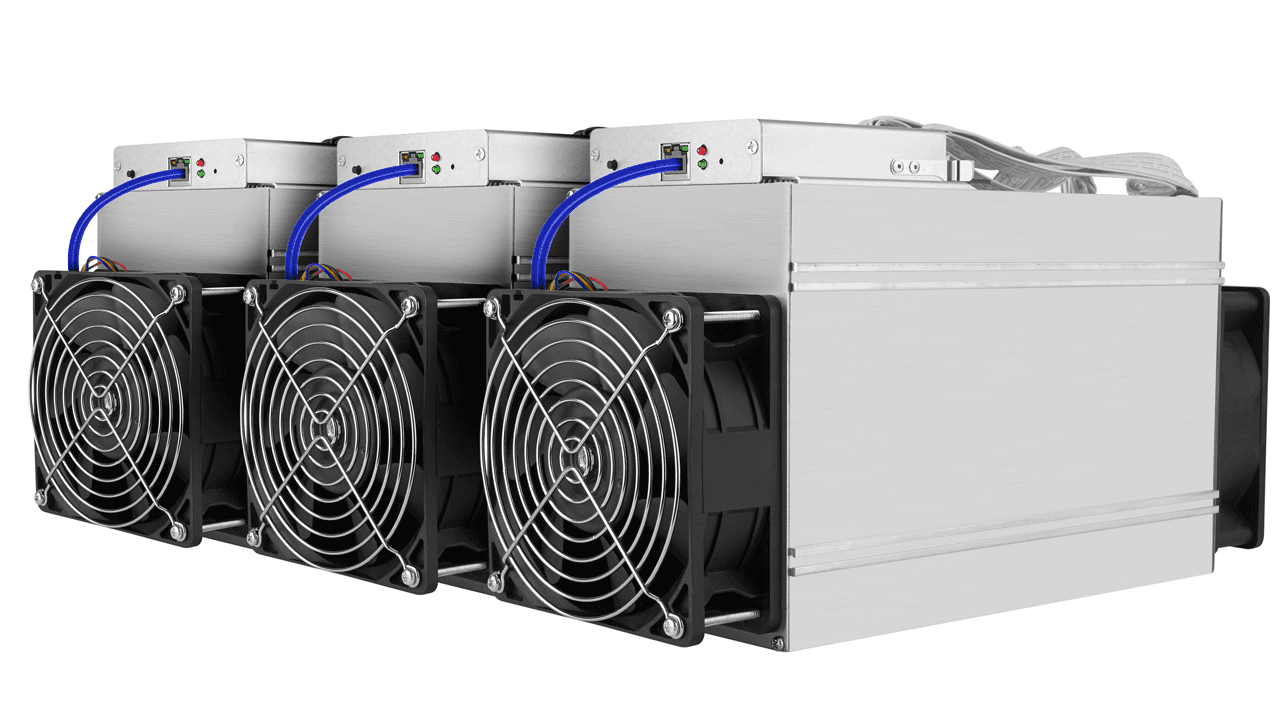
According to a newly published report by Blockspace, U.S. Customs and Border Protection (CBP) is said to have been impounding bitcoin application-specific integrated circuit (ASIC) mining machines.
Report: US Customs Impound Bitcoin Miners as Tech Regulations Tighten

This article was published more than a year ago. Some information may no longer be current.
WRITTEN BY

SHARE
Sources Claim U.S. Customs Seized ASIC Bitcoin Miners Under FCC Orders
The disclosure of the seized bitcoin miners emerges at a time when trade war tensions between the U.S. and China have grown sharper under the Trump administration. The Blockspace report indicates that the CBP has been confiscating these rigs under instructions from the Federal Communications Commission (FCC). The news outlet confirms that the details originate from reviewed documents and sources “familiar with the matter.”
The seizures coincide with broader U.S. efforts to bring semiconductor production back onshore, and the Blockspace report posits that these confiscations may be tied to artificial intelligence (AI) chips from the U.S.-banned firm Sophgo. Other accounts have proposed that the machines might house unauthorized communication components that violate FCC regulations for radio frequency emissions. This is not the first instance of such action by the CPB, as a similar event took place last year according to a Blockspace report.
In 2022, China likewise seized bitcoin miners from people attempting to move devices with falsified paperwork. Blockspace shared a quote from one of the purported letters provided by a publication source who was affected by the reported seizure. The letter states:
This is to inform you that U.S. Customs and Border Protection (CBP) seized the property described below at SF INTL AIRPORT on January 10, 2025: BITMAIN S21 PRO 200TH CRYPTOCURRENCY MINING MACHINE.
It remains unclear how those affected are navigating this situation. The publication reached out to the FCC and CBP but received no reply. The confiscations highlight intensifying regulatory actions linking trade policy and technological oversight, reflecting U.S. efforts to rein in foreign tech dominance amid geopolitical tensions. Unresolved motivations and subdued official statements heighten uncertainties, signaling stricter scrutiny of crypto infrastructure as worldwide semiconductor rivalry grows.