The U.S. Securities and Exchange Commission (SEC) is moving to abandon a proposed rule that would have required certain cryptocurrency firms to register as alternative trading systems (ATS), according to acting Chair Mark Uyeda.
Report: SEC Retreats From Plan to Classify Crypto Firms as Trading Systems

This article was published more than a year ago. Some information may no longer be current.
WRITTEN BY

SHARE
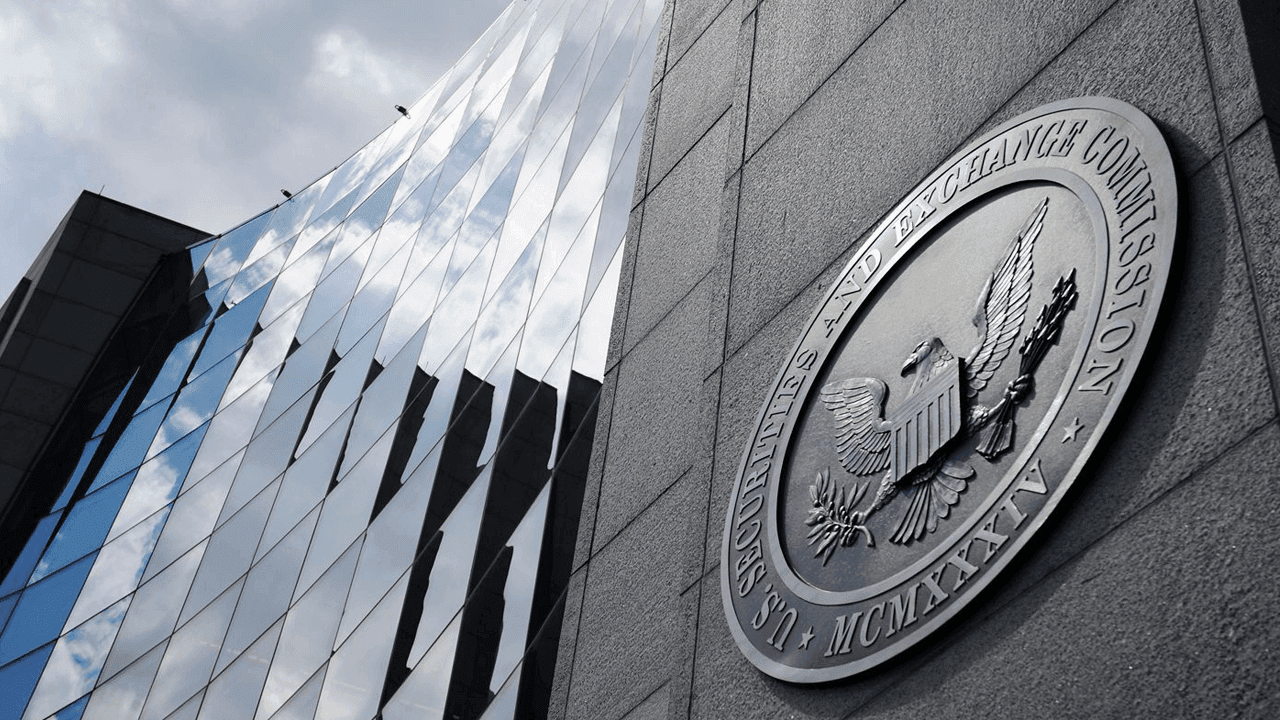
SEC Shifts Stance on Crypto Regulation
The decision, Reuters reported on Monday, marks a shift from the agency’s 2022 effort under Democratic leadership to expand investor protections in the crypto sector. The report explained that acting Chair Mark Uyeda told an audience of bankers that he directed staff to reconsider the ATS proposal, which had drawn criticism from crypto firms fearing increased regulatory burdens.
The rule would have broadened the definition of ATS to include platforms facilitating digital asset transactions, a move critics argued overstepped the SEC’s authority. “In my view, it was a mistake for the Commission to link together regulation of the Treasury markets with a heavy-handed attempt to tamp down the crypto market,” Uyeda said in prepared remarks to the audience.
The original 2022 proposal aimed to enhance oversight of government securities trading but expanded its scope to include crypto platforms. Reuters’ report detailed that Uyeda emphasized refocusing on reforms for Treasury market oversight, instructing staff to re-engage with the Treasury Department, Federal Reserve, and market participants. This follows a broader Republican-led effort to overhaul the SEC’s approach to crypto, including pausing or dismissing pending lawsuits against industry firms.
Under Democratic leadership with the Biden administration, Gary Gensler’s SEC had pushed for stricter crypto regulations, citing investor protection concerns. The 2022 proposal would have subjected crypto firms to reporting, transparency, and compliance rules similar to traditional financial institutions. However, Uyeda’s directive aligns with recent President Trump’s priorities to ease enforcement actions and foster innovation in digital asset markets.
The SEC’s crypto task force, launched in January, is part of this recalibration. Uyeda’s comments signal a pivot toward collaboration with other regulators rather than unilateral rulemaking. The reversal showcases the SEC’s shifting priorities amid ongoing debates over crypto’s role in global finance. As the agency reconsiders its approach, industry stakeholders await clarity on how future regulations under the Trump administration will bolster innovation.