Following the dramatic bank failures last year and the recent collapse of Philadelphia’s Republic First Bank last week, an analysis by Klaros Group indicates that hundreds of U.S. banks are at risk of failure. The study reveals that smaller and regional banks are experiencing stress due to burdensome commercial real estate loans and the current environment of high interest rates.
Report Reveals Hundreds of US Banks at Risk of Failure Amid High Interest Rate Environment

This article was published more than a year ago. Some information may no longer be current.
WRITTEN BY

SHARE
Nearly 300 U.S. Banks Identified as ‘Stressed’
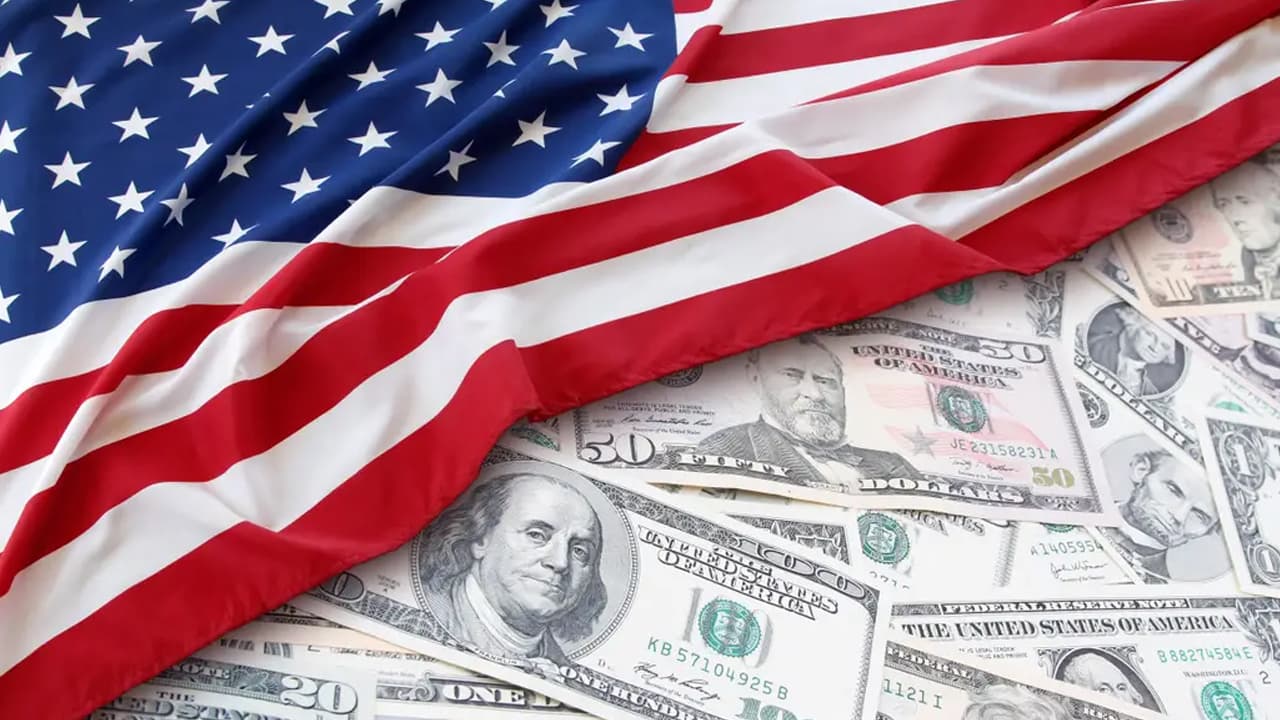
The U.S. economy has faced considerable uncertainty in the years since Covid-19, grappling with significant debt, persistent inflation, and the federal funds rate at its highest point in 23 years. U.S. banks are contending with an upside-down bond market, a meltdown in the commercial real estate (CRE) sector, and unyielding inflationary pressures. Klaros Group shared an analysis with CNBC as it discovered out of 4,000 U.S. financial institutions, 282 are stressed.
“Most of these banks aren’t insolvent or even close to insolvent. They’re just stressed,” the co-founder and partner at Klaros Group, Brian Graham told CNBC’s Andrea Miller. “That means there’ll be fewer bank failures. But it doesn’t mean that communities and customers don’t get hurt by that stress.”
Reports further show the premium that companies pay above U.S. Treasuries, continue to be narrow. Additionally, the yield curve of the U.S. Treasury, which plots yields for two-year and ten-year bonds, has remained inverted for 667 consecutive days. The commercial real estate (CRE) sector faces challenges, as the demand for office space has eroded and high interest rates complicate investors’ ability to refinance their CRE loans.
Christopher Wolfe, the managing director and head of North American banks at Fitch Ratings told CNBC’s Miller that we could see “some banks either fail or at least, you know, dip below their minimum capital requirements.” On May 2, in an opinion piece, featured in American Banker, Klaros Group’s Graham suggested that adjusting bank regulatory capital rules to better reflect reality could be beneficial.
“I estimate that collectively banks face between $700 billion and $1 trillion in unrealized losses due to higher interest rates,” Graham wrote. “I also estimate that, as of year-end, more than 150 banks in the country had capital (adjusted to reflect unrealized losses) below the trigger for regulatory intervention known as prompt corrective action,” the Klaros Group co-founder added.
The financial sector’s stability may depend on proactive measures to address these systemic stresses, ensuring banks can support their customers without succumbing to the pressures of high interest rates and market volatility. Currently, the prospect of the U.S. Federal Reserve reducing the benchmark interest rate appears increasingly bleak with each Federal Open Market Committee (FOMC) meeting.
What do you think about the stress U.S. banks face right now? Share your thoughts and opinions about this subject in the comments section below.