Paypal just turned its stablecoin into a global contender, pushing PYUSD into dozens of new markets in a single sweep.
Report: Paypal Expands PYUSD Stablecoin to Nearly 70 Countries, Targeting Global Payments
WRITTEN BY

SHARE
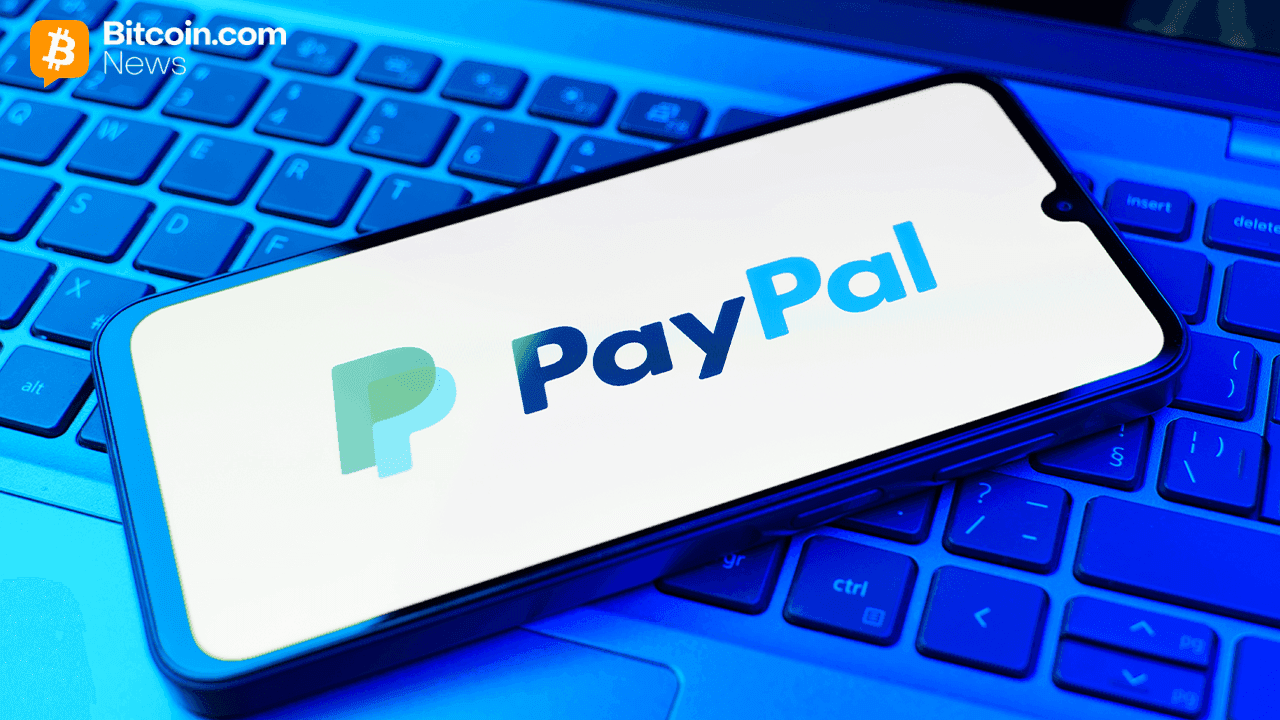
Paypal Broadens Crypto Push With PYUSD Rollout Across Emerging Markets
Paypal is expanding access to its dollar-pegged stablecoin, PYUSD, to users in 68 additional countries, bringing total availability to 70, according to a March 17 report published by Fortune.
Until now, PYUSD wallet functionality — including holding, sending, receiving and earning rewards — was limited to users in the United States and the United Kingdom. The latest rollout targets parts of Africa, South America and Asia, where demand for dollar-based value storage and cheaper cross-border transfers remains high.
Users in newly supported countries can now hold PYUSD balances directly in their Paypal wallets rather than being forced to convert funds into local currency or withdraw to bank accounts. They can also send and receive PYUSD both domestically and across borders, effectively bypassing traditional remittance friction that often adds time and cost.
Paypal is extending its rewards feature globally as well, with U.S. users currently earning about 4% annually on PYUSD balances, a yield that may turn passive wallets into something closer to interest-bearing accounts.
“Now you’re really opening up not only access — especially in places where they need it most — but also cross-border transfers and volume, where the pain is felt so high,” May Zabaneh, Paypal’s senior vice president and head of crypto, told the publication.
Zabaneh added that the update introduces both a “balance-type concept” and an “earnings concept” for users who previously had limited options for storing value inside Paypal accounts. The use case is straightforward: a payment sent from New York to Lima no longer needs to be converted into Peruvian soles on arrival, allowing recipients to keep funds in digital dollars.
In markets such as Malawi, where Paypal transfers historically required immediate bank withdrawals, users can now retain value within the platform in PYUSD. PYUSD launched in August 2023 in partnership with Paxos Trust Company and is backed 1:1 by U.S. dollar deposits, short-term U.S. Treasuries and cash equivalents.
The stablecoin has expanded beyond Ethereum to networks including Solana, Arbitrum and Stellar, alongside interoperability layers that extend reach to additional chains. Its market capitalization has climbed to about $4.1 billion, up from under $1 billion a year ago, placing it among the more established stablecoins used for payments and transfers.

Wall Street Titan Druckenmiller Predicts Stablecoins Will Power the Future of Global Payments
Wall Street legend Stanley Druckenmiller just tossed a polite grenade into the global payments debate, predicting that within 10 to…
Read Now

Wall Street Titan Druckenmiller Predicts Stablecoins Will Power the Future of Global Payments
Wall Street legend Stanley Druckenmiller just tossed a polite grenade into the global payments debate, predicting that within 10 to…
Read NowWall Street Titan Druckenmiller Predicts Stablecoins Will Power the Future of Global Payments
Read NowWall Street legend Stanley Druckenmiller just tossed a polite grenade into the global payments debate, predicting that within 10 to…
The broader pitch is hard to miss: faster settlement, lower fees and fewer intermediaries compared with traditional financial rails that still dominate cross-border payments. Paypal appears to be positioning PYUSD as a practical tool for everyday use — not just trading — while competing with established stablecoins such as USDC and USDT.
No full list of the newly added countries has been released, and the rollout is expected to appear gradually within the Paypal app for eligible users.
FAQ 🔎
- What is Paypal USD (PYUSD)?
PYUSD is a U.S. dollar-pegged stablecoin issued by Paypal and backed 1:1 by cash and short-term Treasuries. - How many countries now support PYUSD?
PYUSD is now available in 70 countries after adding 68 new markets beyond the U.S. and U.K. - What can users do with PYUSD in new countries?
Users can hold, send, receive and earn rewards on PYUSD directly within their Paypal wallets. - Why is Paypal expanding PYUSD globally?
The expansion aims to reduce cross-border fees, improve payment speed and provide stable dollar access in emerging markets.