Layer one (L1) blockchain networks, including Ethereum, Solana, and Bitcoin, have experienced a significant reduction in onchain and market activity in 2024. Researchers Tanay Ved and Matías Andrade from Coin Metrics highlight the challenges these networks face as total fees and token performance drop below early-year highs.
Report: L1 Blockchains Experience Slowdown in 2024 Amid Declining Activity

This article was published more than a year ago. Some information may no longer be current.
WRITTEN BY

SHARE
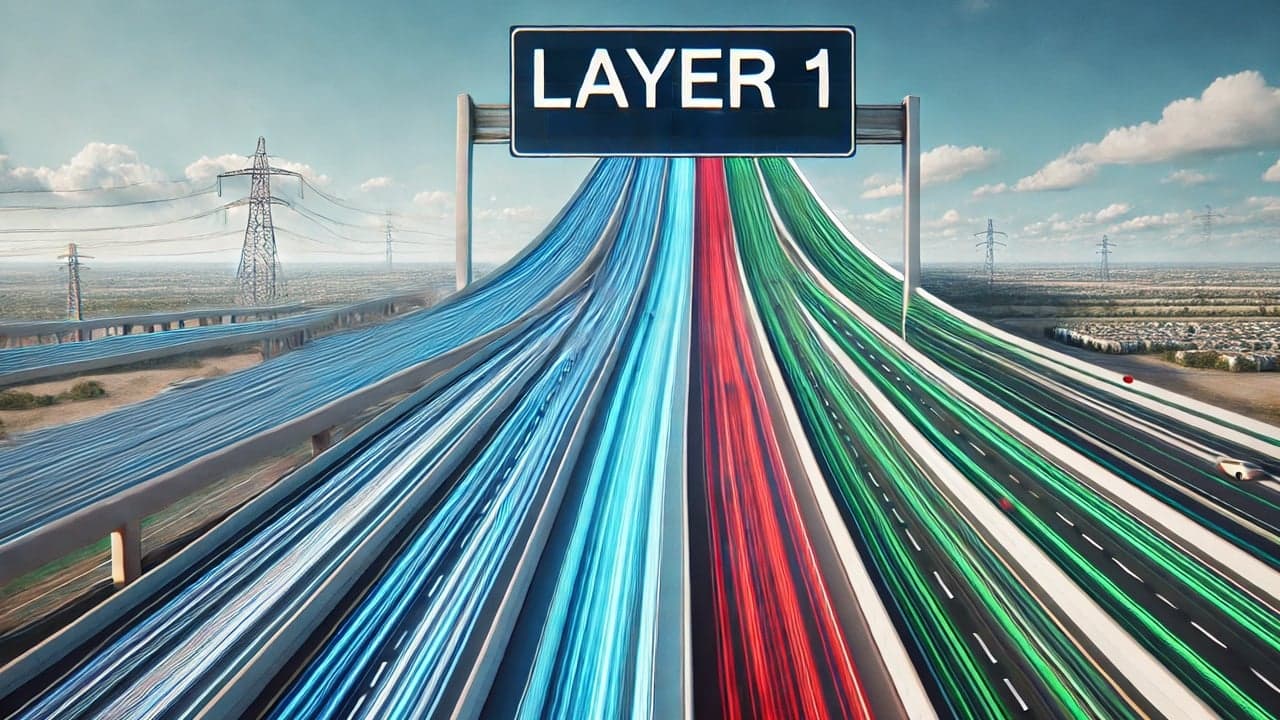
Ethereum, Solana, and Bitcoin See Sharp Drop in Onchain Activity, Coin Metrics Study Shows
According to a report by Coin Metrics researchers Tanay Ved and Matías Andrade, layer one (L1) blockchains began 2024 with strong performance but have since lost momentum. Data shows that year-to-date returns for most L1 tokens fell below 50%, with declining transaction volume contributing to reduced total fees.
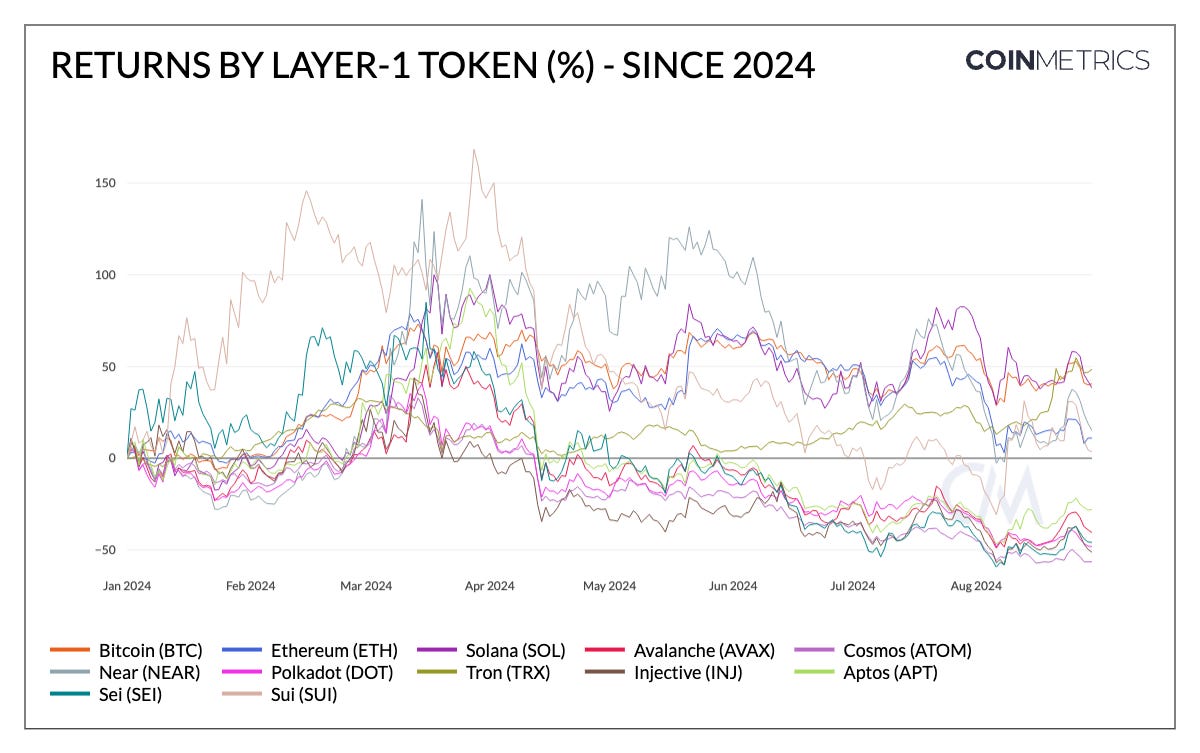
Ethereum’s total fees decreased to $1.15 million, while Solana and Bitcoin recorded $724,000 and $463,000, respectively. The report highlights how high-throughput networks like Solana, which typically process more frequent, lower-value transactions, saw a similar slowdown.
The report states:
Low-fee networks like Solana are optimized and primarily used for high-frequency, low-value transactions.
The report from Ved and Andrade emphasizes that the drop in activity is not limited to fees. L1 networks are also grappling with broader market consolidation, affecting token prices and overall sentiment. Solana, which gained attention due to its high-speed transaction capabilities, saw early gains but faced a sharp decline as the market cooled. Similarly, Ethereum, despite its recent transition to proof-of- stake, has been affected by decreasing network activity.
The researchers state:
The competition among these networks has driven rapid technological advancements, from Ethereum’s transition to proof-of- stake with the Merge, to Solana’s focus on high-speed transactions, and Avalanche’s customizable subnet architecture.
As the landscape evolves, Coin Metrics’ report highlights the importance of fee mechanisms in L1 blockchain sustainability. Validators and miners rely on these fees, typically paid in the network’s native token, to incentivize network participation. Despite recent declines, networks like Ethereum are working to enhance accessibility and performance through improvements such as the introduction of blobs and lower layer two (L2) transaction fees. While this development has reduced total fee income, it positions Ethereum to potentially benefit from future activity surges, balancing network security and scalability.
What do you think about the findings surrounding L1 networks? Share your thoughts and opinions about this subject in the comments section below.