


A bitcoin fund targeting three times its futures benchmark’s daily performance has secured SEC listing approval. The ruling covers a broader commodity lineup and preserves exchange oversight and brokerage obligations as the sponsor pursues market access.
SEC Approves Listing of Bitcoin ETF Targeting 3x Daily Futures Moves
WRITTEN BY

SHARE
Key Takeaways
- The bitcoin strategy targets 3x daily futures returns before expenses.
- Compounding can push longer-term results away from the stated multiple.
- Trading requires an effective registration statement before shares debut.
Bitcoin’s Daily Futures Moves Get a 3x Target
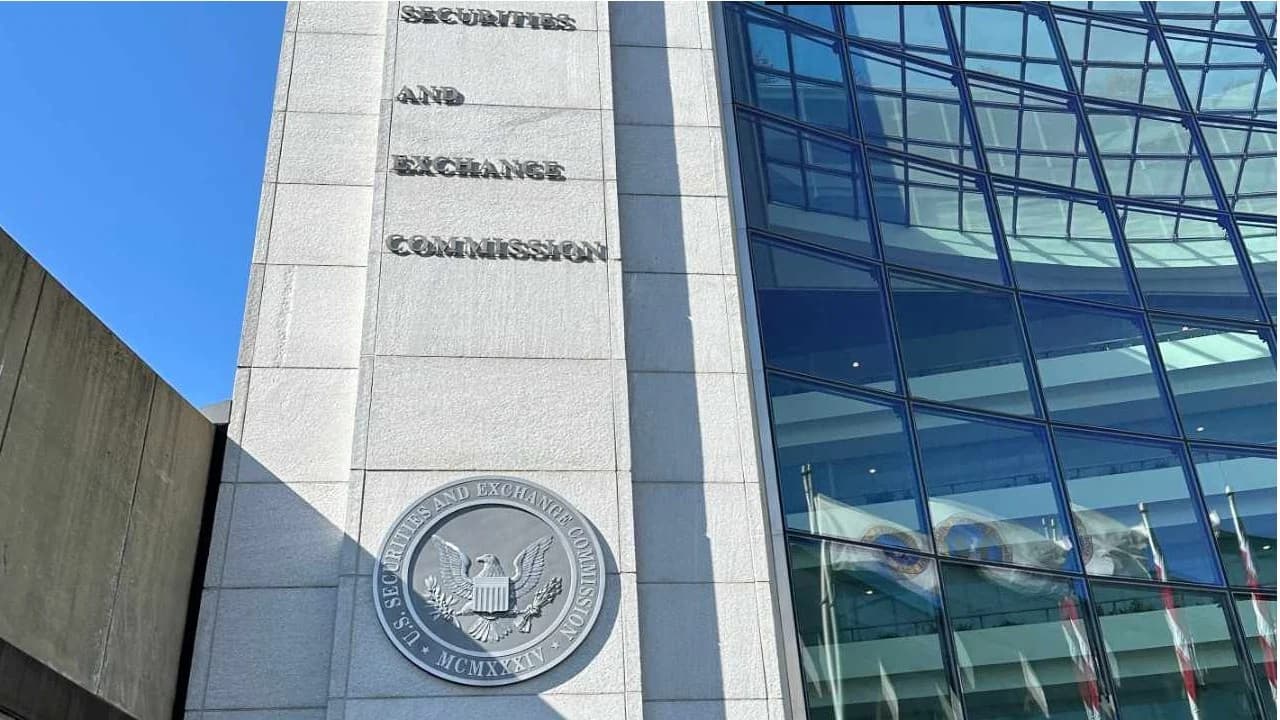
Investors could gain amplified exposure to bitcoin futures through a newly approved listing on Cboe BZX. The U.S. Securities and Exchange Commission (SEC) authorized the exchange rule change Oct. 2, clearing the 3x Bitcoin ETF and five companion funds sponsored by investment manager Volatility Shares LLC.
The lineup also includes the 3x Ether ETF alongside gold, silver, crude oil, and natural gas offerings. Each operates as a series of VS Trust. The funds have “ETF” in their names, but legally they are exchange-traded products (ETPs) that hold commodity-linked investments. They are not regulated under the Investment Company Act of 1940, which governs conventional ETFs.
The decision follows Cboe BZX’s proposal to list six leveraged commodity products, submitted Aug. 10 and published for public comment Aug. 19. The commission stated:
“This order approves the Proposal.”
The bitcoin strategy centers on first- and second-month futures, with cash and cash equivalents pledged to support those positions.
The sponsor’s existing crypto lineup includes its 2x bitcoin fund, launched in June 2023. That strategy adjusts holdings to maintain its daily exposure, including changes when investors purchase or redeem shares.
The firm’s expansion continued in May 2025 with Nasdaq-listed XRP futures funds offering unleveraged and 2x daily targets.
Triple the Daily Move Also Amplifies Losses
A 1% rise in the bitcoin futures benchmark would translate into a targeted 3% daily gain before fees and expenses. A 1% decline would correspond to a targeted 3% loss. The reference portfolio’s performance can differ from changes in the cryptocurrency’s price for immediate purchase, known as its spot price.
The exposure comes through contracts tied to future asset prices, rather than direct ownership of bitcoin. Futures are agreements to buy or sell an asset at a specified price on a future date. The planned benchmark replaces expiring positions with later contracts over five days, shifting approximately 20% each day.
Daily compounding can produce longer-term results that diverge sharply from three times the benchmark’s cumulative change, according to the Financial Industry Regulatory Authority (FINRA), which oversees U.S. brokerage firms. Successive gains and losses apply to changing investment values. Higher leverage and volatility may widen that divergence.
When benchmark contracts become unavailable, the 3x strategies may use later-dated futures, related exchange-traded holdings, and options. Restrictions such as position limits or higher margin requirements, the collateral needed to maintain positions, can trigger those alternatives.
Bitcoin Listing Approval Keeps Trading Conditions in Place
The six vehicles required individual review under exchange rules that exclude leveraged commodity-based trusts from the standard listing route. The SEC’s generic listing standards for commodity-based trust shares, approved in September 2025, allow qualifying products to list without a separate exchange rule filing. Their 3x objectives required this separate authorization.
Broker recommendations remain subject to rules requiring consideration of an investor’s circumstances, potential risks, rewards, and costs. Exchange surveillance and trading-halt requirements also apply, including a halt when the daily asset valuation is not available to all market participants simultaneously.
The listings remain subject to registration and operating requirements, including an effective registration statement before trading begins. Each must have at least 100,000 shares outstanding at the start of exchange trading. The sponsor must calculate net asset value per share, the value of assets minus liabilities divided by outstanding shares, daily.