


New York has sued Polymarket, accusing the prediction market of running an illegal gambling operation while advertising sports betting across all 50 states. New York Attorney General Letitia James’ lawsuit reveals the latest front in a widening fight between states and federal regulators over who gets to police prediction markets.
NY AG Sues Polymarket, Calls Prediction Market Illegal Gambling
WRITTEN BY

SHARE

Key Takeaways
- New York AG Letitia James sued Polymarket, alleging the prediction market illegally offered gambling to New Yorkers.
- Polymarket advertised its platform as “legal in all 50 states,” but New York says its event contracts violate state gambling laws.
- The Polymarket case deepens a larger fight between states and the CFTC over who ultimately gets to regulate prediction markets.
New York Comes for Polymarket
The prediction marketplace Polymarket lets people put money behind predictions about what happens next. New York says there’s a simpler description for some of that activity: illegal gambling. Reuters dropped the news Thursday that Attorney General Letitia James has sued Polymarket, pulling one of the world’s best-known prediction markets into an increasingly messy regulatory showdown.
“Our gambling laws exist to protect New Yorkers, prevent the potential harms of problem gambling, and ensure funding for educational and public benefit programs,” Attorney General James remarked in the press release. “By skirting New York’s laws, Polymarket is targeting the most vulnerable and depriving New York families of critical services and support. My office will never hesitate to take action to defend our laws and keep New Yorkers safe.”
The state’s filing points to a particularly bold piece of Polymarket marketing. Ahead of launching its U.S. prediction market on Dec. 3, 2025, the company compared its offering with sportsbooks and advertised that users could “TRADE EVERY FOOTBALL GAME IN ALL 50 STATES.” Polymarket later advertised its platform as “legal in all 50 states,” according to the filing. New York emphatically disagrees.
From Baseball to Big Brother
The examples cited by New York make the dispute remarkably easy to understand. Prediction marketplace users could put money on whether the New York Mets would beat the Atlanta Braves, who would finish second on “Big Brother,” and which candidates would win gubernatorial elections. In other words, everything from baseball to reality television to politics was on the menu.
The state alleges Polymarket operated without the required gambling license and specifically points to users ages 18 to 21 as particularly vulnerable. “Each contract is a bet,” the filing reads. “Respondent accepts wagers from members of the public as a gambling business in New York in flagrant disregard of New York’s State Constitution, penal laws, and other statutes.”
A Much Bigger Regulatory Fight
Polymarket isn’t alone. James sued rival Kalshi nearly two months ago after filing similar petitions against Coinbase Financial Markets and Gemini Titan in April. Here’s the catch. The Commodity Futures Trading Commission (CFTC) claims exclusive federal authority over prediction markets, putting it at odds with states attempting to regulate the same products under gambling laws. Federal appeals courts are already divided over who has jurisdiction, according to Reuters, opening the door to a potential U.S. Supreme Court showdown.
What started as a market for wagering on uncertain events is quickly becoming a fight over who writes the rules for an industry that has picked up steam since the 2024 presidential election.
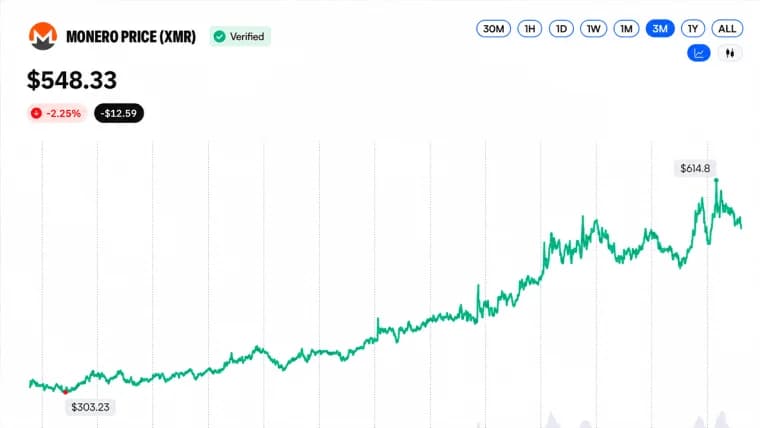
Over the past five months, the privacy coin sector has added $24.54 billion in value, with zcash and monero accounting…
Read Now: Wall Street Opens Door to $24.54B Privacy Coin Boom in 5 Months