


U.S. Senator Jon Husted (R-OH) publicly backed the Digital Asset Market Clarity Act on July 28, arguing the bill is essential for U.S. leadership in digital assets, even as the legislation’s odds of becoming law in 2026 have slipped to just 30%.
Sen. Jon Husted Backs the CLARITY Act as Odds of Passage Slip to 30%: Here's What He Said
WRITTEN BY

SHARE
Key Takeaways
- Sen. Jon Husted (R-OH) publicly endorsed the CLARITY Act in a post on X on July 28.
- Galaxy Research cut the CLARITY Act’s 2026 passage odds to 30%, down from a prior 50% estimate.
- The Senate has about two weeks before its August recess to pass the 616-page bill.
Husted Joins the Chorus of Senate Backers
Husted, who was appointed to the U.S. Senate in 2025 to fill the Ohio seat vacated by Vice President JD Vance, wrote on X early Tuesday that the country needs regulatory certainty to stay competitive in the digital asset sector. He is one of a growing list of Republican senators publicly pressing colleagues to move the bill before Congress leaves for its summer recess. Husted said:
If the U.S. is going to lead in digital assets, we need a framework that is clear, practical, and supports innovation and job creation here at home. That’s why I support the CLARITY Act and will work to get it passed as soon as possible.
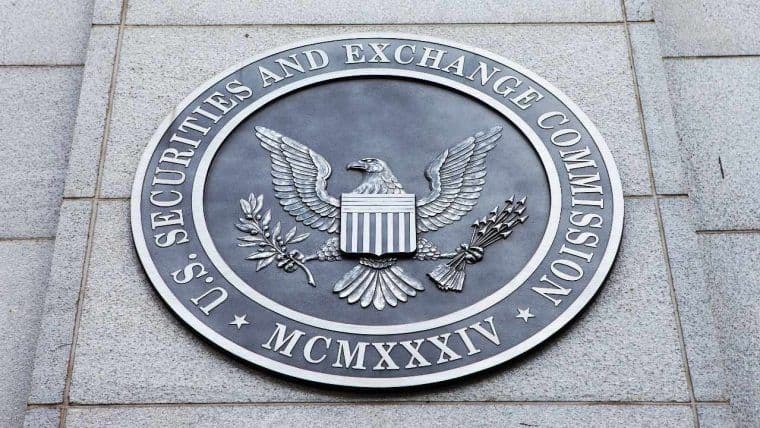
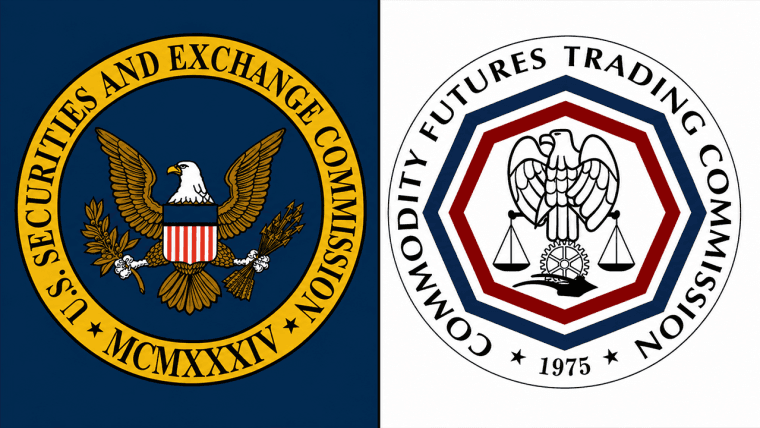
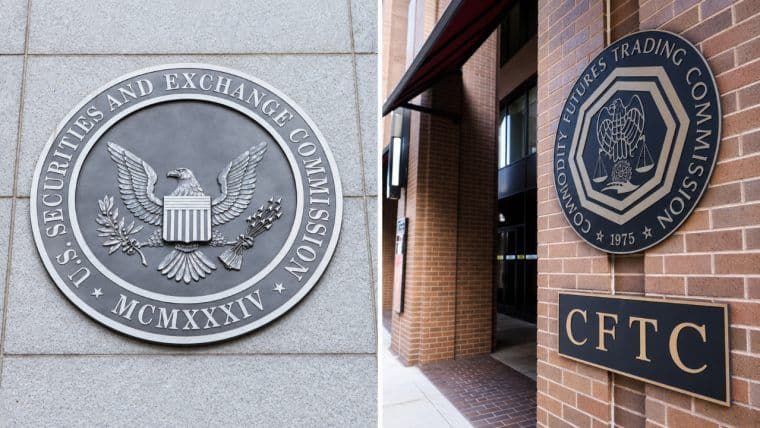
The CLARITY Act, formally the Digital Asset Market Clarity Act, would create the first comprehensive federal framework for crypto oversight, splitting jurisdiction between the Securities and Exchange Commission (SEC) and the Commodity Futures Trading Commission (CFTC).
The bill sorts tokens into three categories, hands the CFTC exclusive authority over spot markets for digital commodities, and leaves the SEC in charge of assets that still resemble securities. The House approved its version 294-134 in July 2025, and the Senate Banking Committee advanced its own draft 15-9 in May 2026, teeing up the current fight over a merged Senate text.
A Bill Still Stuck on Ethics
Husted’s post lands at a fragile moment for the legislation as Senator Cynthia Lummis released a revised version of the bill on July 22, merging language from the Banking and Agriculture committees into a single negotiating text, but the core dispute holding up bipartisan support has not gone away.
The draft would bar the president, vice president, members of Congress, federal judges and their spouses from issuing or sponsoring digital assets for compensation while in office through January 2029, and would require covered officials to divest crypto holdings or place them in a blind trust. Democrats argue the safeguards still are not strict enough, while Republicans have pushed for looser language.
That standoff is why analysts are growing more cautious about the bill’s prospects. Galaxy Research lowered its estimate for CLARITY becoming law this year, with head of research Alex Thorn cutting the odds to 30%, down from a prior 50% call. The firm pointed to the Senate’s 60-vote threshold as the real obstacle, warning that supporters may not even have a simple majority in hand, let alone the votes needed to overcome a filibuster.
Clock Ticking Before Midterm Politics Take Over
Timing is now as much of a threat to the bill as its substance given that the Senate has roughly two weeks before its August recess to get CLARITY across the finish line, and lawmakers who track the legislation warn that missing that window could push a vote into the fall, when campaign season for the midterms typically crowds out complex legislative fights.
A delay of that scale could leave comprehensive crypto market structure rules unresolved well into 2027 or later, prolonging the regulatory uncertainty that companies like Coinbase and Ripple have lobbied against for years.
For now, Husted’s statement adds another Republican voice to the pressure campaign, but it does not change the math on the Senate floor. The ethics language remains the single biggest sticking point separating the two parties, ahead of secondary disputes over stablecoin rewards provisions and anti-money laundering rules that negotiators are still fine-tuning inside the merged text.
Industry has been broadly supportive of the direction, with Coinbase Chief Policy Officer Faryar Shirzad calling an earlier version of the merged bill “a dramatic advance in consumer protection and market integrity” when negotiators first released the combined text in mid-July.

Coinbase CEO Brian Armstrong intensified pressure for a Senate vote, portraying the CLARITY Act as a bipartisan breakthrough that could…
Read Now: The CLARITY Act Is at the One-Yard Line: Coinbase Says ‘It’s Time to Get It Over the Finish Line’