A federal court in Puerto Rico has held Juan Carlos Reynoso in contempt for refusing to surrender 119.65 BTC worth approximately $9.7 million, imposing a $10,000 daily fine until he complies with a seizure order.
Puerto Rico Court Fines Man $10K Daily for Refusing to Surrender 119 Bitcoin

This article was published more than a year ago. Some information may no longer be current.
WRITTEN BY

SHARE
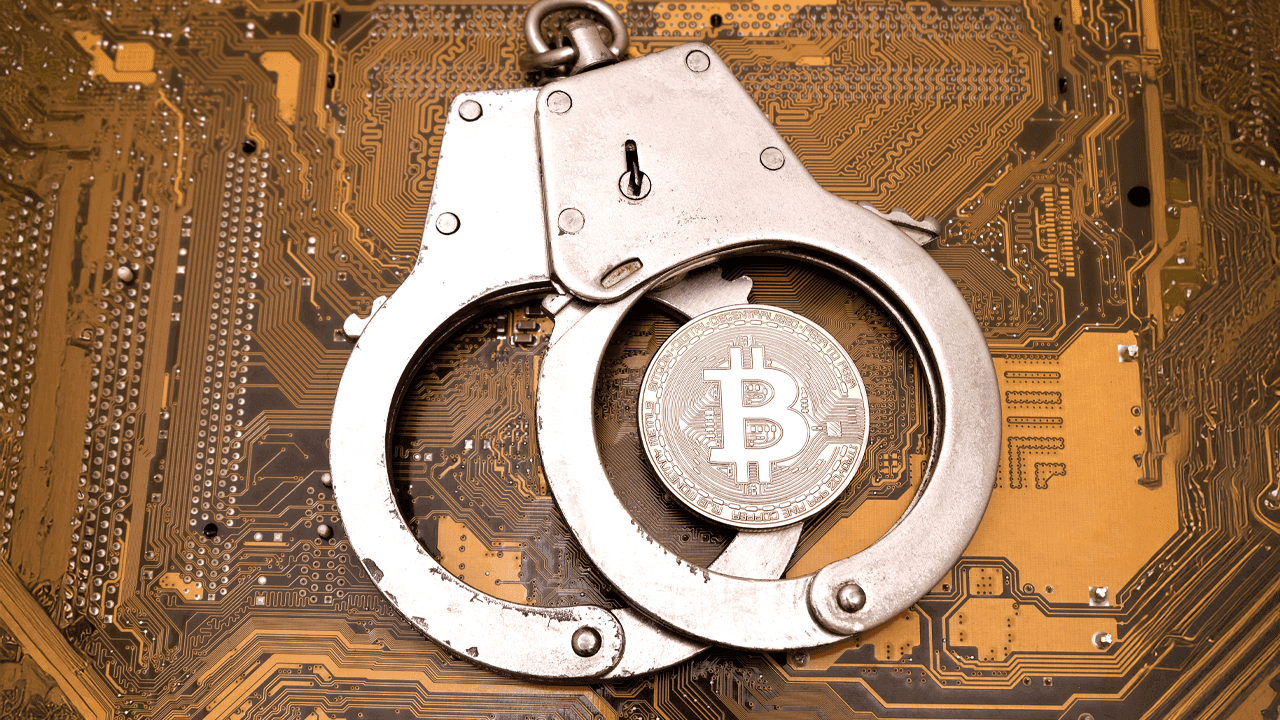
Defendant Faces Mounting Fines After Transferring Seized Bitcoin to Other Wallets
Senior U.S. District Judge Francisco A. Besosa ruled on March 4, 2025, that Reynoso must transfer the bitcoin to a government-controlled wallet or face escalating penalties. The U.S. government obtained a seizure warrant on Jan. 31, 2025, for BTC stored in a wallet linked to Reynoso, alleging the assets were tied to criminal activities.
Instead of complying, Reynoso allegedly transferred the bitcoin to multiple wallets within 24 hours, according to blockchain records cited in court filings. The FBI traced the bitcoin to Reynoso after seizing his laptop in June 2024, which contained software for a Ledger hardware wallet. Prosecutors argued Reynoso’s rapid transfers proved he could access the funds but chose to defy the court.
Judge Besosa rejected Reynoso’s claim that the seizure violated his Fifth Amendment rights, citing a 2016 precedent (United States v. Apple Mac Pro Comp.) where a defendant was jailed for four years for refusing to decrypt devices. Transferring the bitcoin does not compel self-incrimination, the judge explained in the order, noting ownership was already established.
Reynoso’s attorney, Walter Reynoso, accepted service of the warrant on Jan. 31 but did not review it until two days later, missing the compliance deadline. The court dismissed arguments that prosecutors misled the defense, calling the delay “willful ignorance.” Reynoso’s motion to quash the warrant was denied, with the judge emphasizing that legal challenges do not excuse noncompliance.
The ruling requires Reynoso to pay $10,000 daily until he transfers the bitcoin. Failure to comply could lead to additional fines or incarceration. As of March 4, the court confirmed the bitcoin in question had not been surrendered. Reynoso, a Peruvian national with a rich history of legal issues including drug trafficking and financial crimes, remains under scrutiny in multiple jurisdictions. The case highlights the challenges of enforcing cryptocurrency seizures, despite the blockchain’s transparency.
Judge Besosa’s order stresses that sanctions aim to compel compliance, not punish Reynoso. “The coercive fines and arrest warrant will be lifted as soon as the court is satisfied that” the bitcoin is transferred, the opinion stated, though it did not specify a deadline for resolving the standoff.
It should be noted that Bitcoin’s decentralized, censorship-resistant design means law enforcement authorities may never physically access the BTC without Reynoso’s cooperation. If he persists, the government could face indefinite hurdles in recovering the funds.