Following the latest budget reveal, the pound sterling has taken a sharp tumble, fueled by mounting worries about the U.K.’s fiscal outlook. Chancellor Rachel Reeves’ decision to pump £70 billion into government spending—funded through additional borrowing—has stirred up significant unease among investors. They’re concerned this move could lead to higher inflation and escalating interest rates.
Pound Sterling Suffers Biggest Drop in 18 Months Amid Reeves' Tax-and-Spend Storm

This article was published more than a year ago. Some information may no longer be current.
WRITTEN BY

SHARE
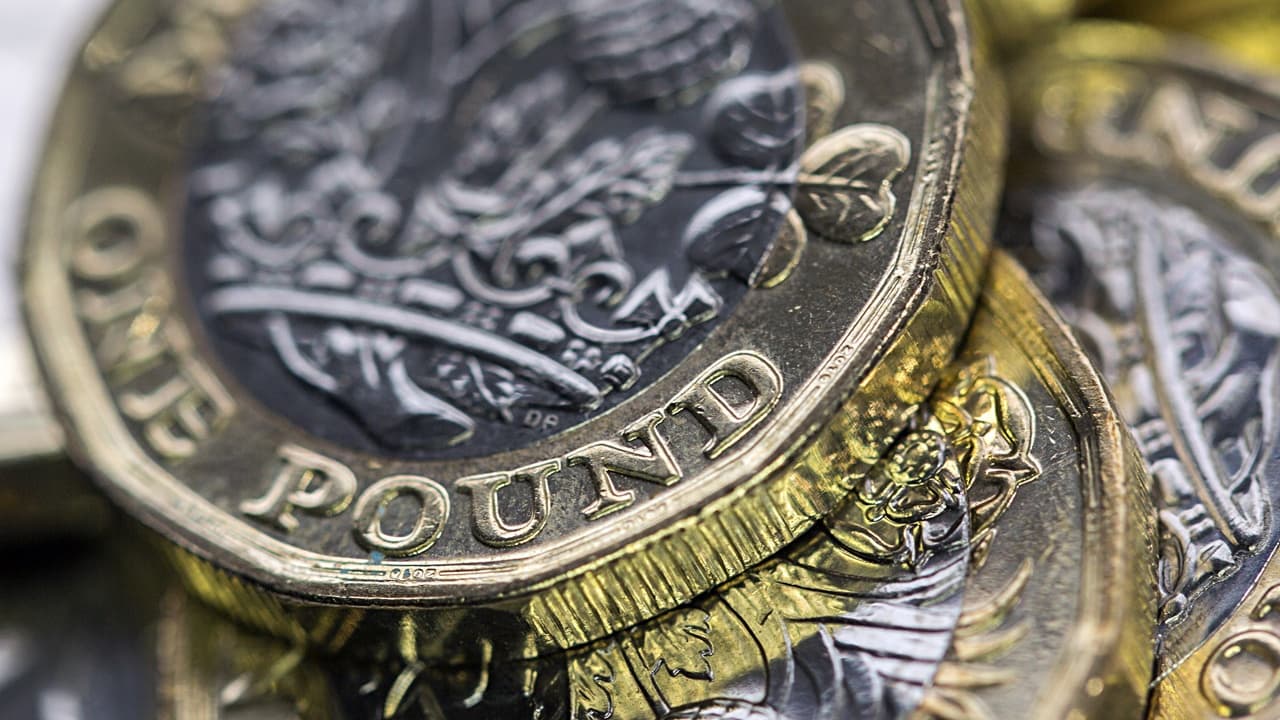
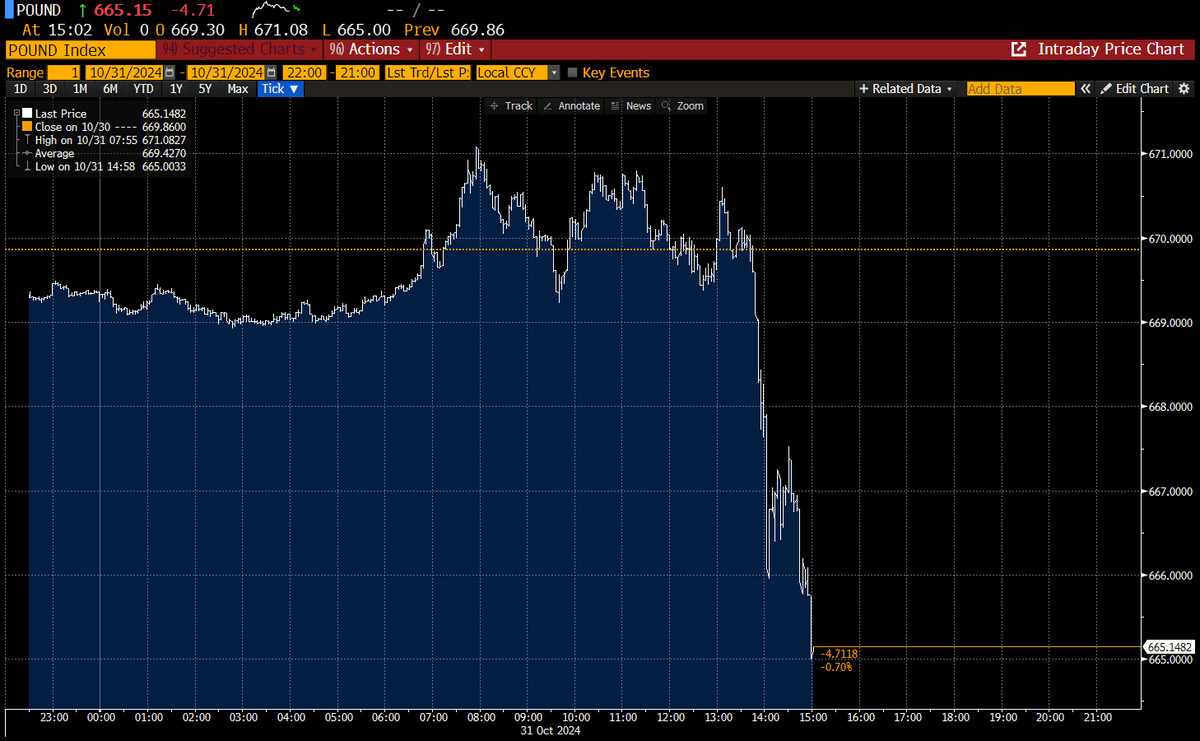
As a result, yields on 10-year government bonds jumped to 4.56%, edging past levels seen during the 2022 Liz Truss episode, highlighting a rising aversion to risk among investors. The pound shed 1.2% over three days, dipping to a two-month low, while its exchange rate dropped to 1.1868 euros and $1.2897 against the U.S. dollar. The decay of the pound sterling reflects not an isolated economic incident, but rather a systemic consequence of government arrogance—the notion that bureaucrats force can manufacture prosperity through debt and fiat manipulation.